
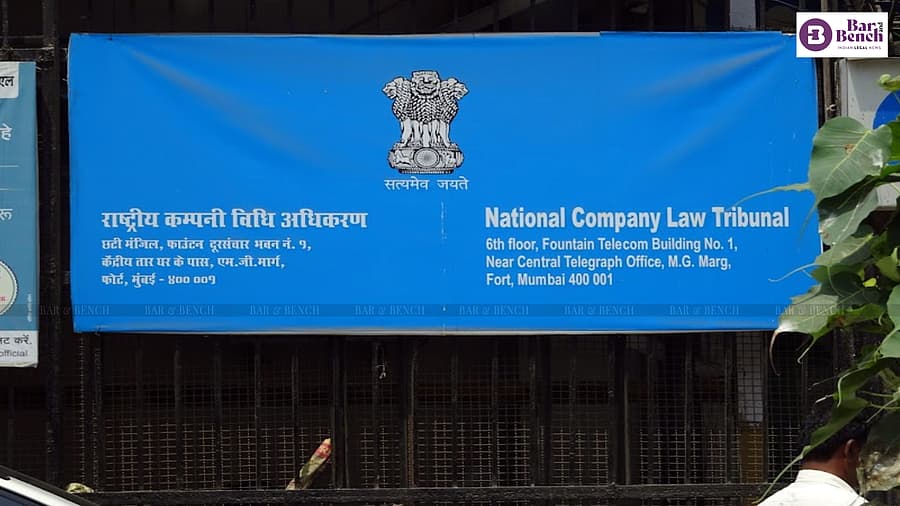
NCLT Issues Double-Sided A4 Filings Mandate for All Benches
Summary
- The National Company Law Tribunal has mandated A4-size paper with double-sided printing for all filings across its Benches.
- This new procedural requirement, effective immediately from September 3, applies to all petitions, applications, replies, and other submitted pleadings.
- The reform aims to enhance environmental sustainability and standardize NCLT registry practices nationwide.
- It addresses a long-standing demand from legal practitioners and aligns the NCLT with the broader Indian judiciary's move towards A4 duplex printing.
- The Supreme Court of India approved A4 double-sided paper in early 2020, followed by several High Courts, to reduce paper consumption.
NCLT Mandates New Filing Standards
This significant procedural reform is designed to foster environmental sustainability while simultaneously standardizing registry practices across all NCLT Benches.
The National Company Law Tribunal (NCLT) has issued a pivotal circular, effective immediately, establishing new requirements for all documents submitted across its various Benches. This directive mandates the exclusive use of A4-size paper, printed on both sides (duplex), for every filing. Issued on September 3, the circular specifies that this standard applies comprehensively to all petitions, applications, replies, rejoinders, affidavits, and any other accompanying pleadings presented to NCLT registries nationwide. This NCLT double-sided A4 filings mandate represents a significant shift in the tribunal's procedural guidelines, demanding immediate and uniform adherence from all legal practitioners and entities engaging with the NCLT to ensure compliance and avoid procedural delays.
Rationale Behind the Procedural Overhaul
This significant procedural reform is designed to foster environmental sustainability while simultaneously standardizing registry practices across all NCLT Benches. The NCLT A4 paper circular directly addresses a long-standing call from both legal practitioners and litigants for the modernization of registry operations. For years, the tribunal's reliance on single-sided, legal-size sheets was seen as an archaic practice, a remnant of colonial-era administrative routines that had become increasingly outmoded. The push for this change gained formal traction in November 2021, when detailed representations were submitted to the leadership of both the NCLT and the National Company Law Appellate Tribunal (NCLAT), highlighting the need for updated NCLT paper size rules. Advocates underscored that while corporate and government entities predominantly conduct their daily business using standard A4 paper, legal-size sheets had largely become confined to court corridors, creating an unnecessary divergence in documentation standards and increasing logistical burdens.
Aligning with the Broader Indian Judiciary
The National Company Law Tribunal duplex printing requirement brings its filing protocols into direct harmony with the broader Indian judicial system. This move follows a precedent set by the Supreme Court of India, which, in early 2020, approved the use of A4 paper printed on both sides. The Supreme Court's decision was primarily aimed at curbing paper consumption across the judicial system, promoting a more eco-conscious approach to legal documentation. Subsequently, numerous High Courts throughout the country adopted similar administrative orders, further solidifying the shift towards more sustainable and standardized documentation. High Courts in Delhi, Bombay, Allahabad, Karnataka, Sikkim, and Uttarakhand are among those that have already implemented such changes, making the India NCLT filing format change a logical progression within the national legal framework and a key NCLT registry practice reform that reflects a nationwide effort towards efficiency and environmental responsibility.
Practical Implications
Lawyers and compliance officers must immediately ensure all submissions to the National Company Law Tribunal (NCLT) across India adhere to the new mandate for double-sided A4 paper filings to prevent procedural non-compliance and ensure acceptance of documents.
Source
How does this affect you?
Get an AI analysis of this article grounded in your jurisdictions, practice areas, and any policy documents you've uploaded to Wansom.
Finish Reading the Full Story and the Expert Analysis.
Wansom is AI and can make mistakes.