
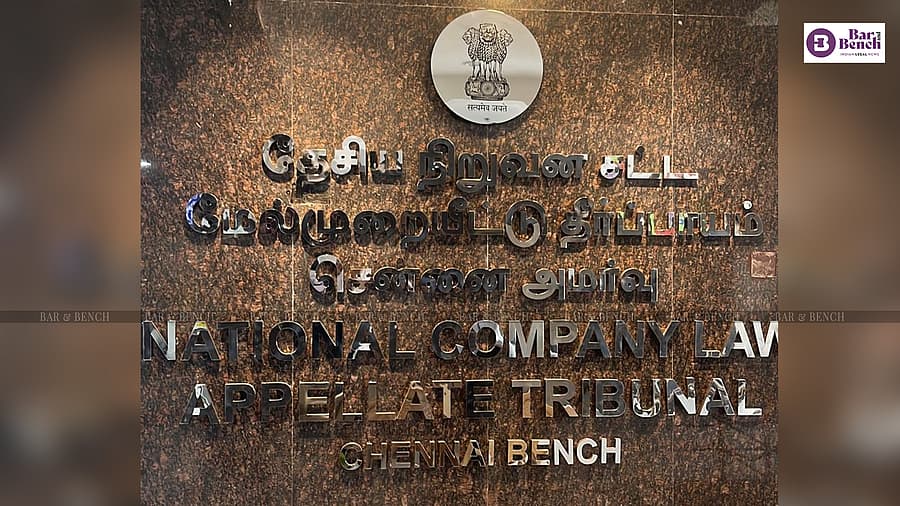
NCLAT: Superstar Lawyers' Hefty Fees Can't Monopolize Court Time
Summary
- The NCLAT's Chennai bench criticized senior advocates for monopolizing court time with lengthy arguments.
- The tribunal stated that high fees and professional standing do not justify delaying other litigants or forcing judges to work weekends.
- The bench, composed of Justice N Seshasayee and Jatindranath Swain, warned of strict time limits if the practice persists.
- Specific concern was raised regarding lawyers from Delhi who must consider available argument time.
- An observation was also made by UK Chaudhary that the NCLT should not be a repository for retired bureaucrats.
Judicial Scrutiny on Court Time
You cannot have the screen space merely because you are a superstar of the Bar and you have been paid heavily. That's your problem and your client's affordability. It has got nothing to do with us.
The Chennai bench of the National Company Law Appellate Tribunal (NCLAT) recently issued a strong rebuke to senior advocates, particularly those practicing from Delhi, for their conduct in court. The tribunal expressed significant displeasure over the prolonged arguments presented by these legal professionals, asserting that such practices effectively monopolize valuable judicial time. This criticism underscores a growing concern within the judiciary regarding the efficient allocation of court resources and the impact of lengthy submissions on the overall legal process.
The NCLAT bench, comprising Justice N Seshasayee (Judicial Member) and Jatindranath Swain (Technical Member), made it clear that the substantial fees commanded by these "superstar" lawyers, along with their professional stature, do not grant them license to unduly extend proceedings. They emphasized that these factors cannot justify causing other litigants to endure extended waits or compelling judges to dedicate their weekends to hearing cases. The tribunal's remarks highlight a pushback against practices perceived as prioritizing individual lawyer's performance over the collective efficiency of the justice system.
The Cost of Prolonged Arguments
The tribunal directly addressed the financial aspect, stating that the hefty fees paid to these prominent lawyers are a matter between the client and their counsel, and should not influence court proceedings. "You cannot have the screen space merely because you are a superstar of the Bar and you have been paid heavily. That's your problem and your client's affordability. It has got nothing to do with us," the bench remarked, underscoring the court's impartiality to such commercial arrangements. This firm stance indicates that the NCLAT views the efficient use of court time as paramount, irrespective of the legal team's reputation or cost.
Furthermore, the NCLAT took specific exception to the consequence of these extended arguments: judges being forced to work on Saturdays. The bench questioned the fairness of this situation, asking, "Like this Saturday, we are going to work. Who pays us? None. Why should we work?" This pointed query illustrates the personal toll and systemic strain that prolonged legal submissions place on the judiciary, challenging the notion that judicial time is an unlimited resource to be consumed at will.
Warnings and Future Limitations
In a clear signal of potential future action, the NCLAT bench issued a stern warning that it would implement strict time limits for arguments if the current practice of lengthy submissions persists. This measure aims to curb the perceived monopolization of court time and ensure that all parties receive a fair opportunity to present their cases within reasonable parameters. The tribunal's intention to prescribe an outer time limit for submissions serves as a direct response to the perceived lack of restraint among some advocates.
The tribunal specifically singled out lawyers engaged from Delhi, urging them to be particularly mindful of the limited time available for arguments. This targeted observation suggests that the issue of prolonged submissions might be more prevalent among this group, or that their travel and engagement patterns contribute to the problem. The NCLAT's message is unequivocal: unless advocates demonstrate greater self-regulation in their arguments, judicial intervention in the form of mandated time restrictions will become inevitable.
Broader Legal Community Observations
Beyond the NCLAT's specific criticisms, there are wider discussions within the legal community regarding the functioning of judicial bodies. In a separate but related observation, UK Chaudhary commented on the National Company Law Tribunal (NCLT), stating that it should not be allowed to become a "dumping ground for retired bureaucrats." This remark, while distinct from the NCLAT's focus on lawyer conduct, reflects a broader sentiment about ensuring the integrity and appropriate staffing of India's corporate tribunals. It highlights ongoing conversations about the composition and operational efficiency of these critical legal institutions.
Source
Source: Based on recent legal reporting.
How does this affect you?
Get an AI analysis of this article grounded in your jurisdictions, practice areas, and any policy documents you've uploaded to Wansom.
Finish Reading the Full Story and the Expert Analysis.
Wansom is AI and can make mistakes.