
India Supreme Court: Upholds Kharak Singh Mehta Murder Conviction
Summary
- The Supreme Court upheld the murder conviction of Kharak Singh Mehta for killing his wife, Hema Mehta.
- The conviction was primarily based on the firm testimony of their two sons, who witnessed the shooting.
- Medical evidence, specifically the post-mortem report confirming a gunshot wound to the head, corroborated the children's accounts.
- Mehta was convicted under IPC Section 302 (now BNS Section 103) and Arms Act Sections 27 and 30, receiving a life sentence.
- The Court ruled that unwavering child witness testimony, when supported by medical evidence, is sufficient to sustain a murder conviction.
The Incident and Initial Report
This ruling underscores that firm child witness testimony, when corroborated by medical evidence, is sufficient to sustain a murder conviction.
On August 23, 2014, a complaint was filed by Prahlad Singh, the father of Hema Mehta, at Police Station Kotwali, Pithoragarh, detailing the murder of his daughter. The complaint alleged that Kharak Singh Mehta, Hema's husband and a serving police officer, had shot her. Prahlad Singh recounted that he received a call around 7:45 pm from a neighbor's son, Hem Singh, informing him of the shooting.
Upon arriving at Hema's residence in Shiv Colony, accompanied by his wife Mohani Devi, friends, and other villagers, Prahlad Singh discovered Hema's body lying in a pool of blood inside a room, with significant bleeding from the back of her head. When questioned by their grandfather, Hema and Kharak Singh Mehta's two sons immediately stated that their parents had been involved in an argument. They further explained that during this altercation, their father retrieved his gun, shot their mother around 7:30 pm, and subsequently left the house. The complaint also noted Prahlad Singh's prior allegations that Mehta frequently consumed alcohol and regularly subjected his children to physical abuse.
Legal Proceedings and Evidentiary Basis
Kharak Singh Mehta faced charges under Section 302 of the Indian Penal Code, which corresponds to Section 103 of the Bharatiya Nyaya Sanhita, for the murder of his wife. He was also charged under Sections 27 and 30 of the Arms Act. Following his conviction, Mehta received a sentence of life imprisonment along with a fine of Rs 20,000, with an additional stipulation for default. His subsequent appeal to the Uttarakhand High Court at Nainital was rejected on February 23, 2021, prompting him to seek recourse from the Supreme Court of India.
The prosecution's case heavily relied on the direct testimony of the couple's two sons, identified as Master U and Master M, who were eyewitnesses to the tragic event. These children consistently testified that they observed their father fatally shoot their mother. The court noted that the alleged motive for the murder stemmed from disputes over Mehta's purported extra-marital relationship with another woman. Crucially, the medical evidence provided by Dr. D.S. Dharmashaktu, who performed the post-mortem examination, corroborated the children's account by confirming that Hema Mehta's death resulted from a gunshot wound to the head.
Supreme Court Upholds Conviction
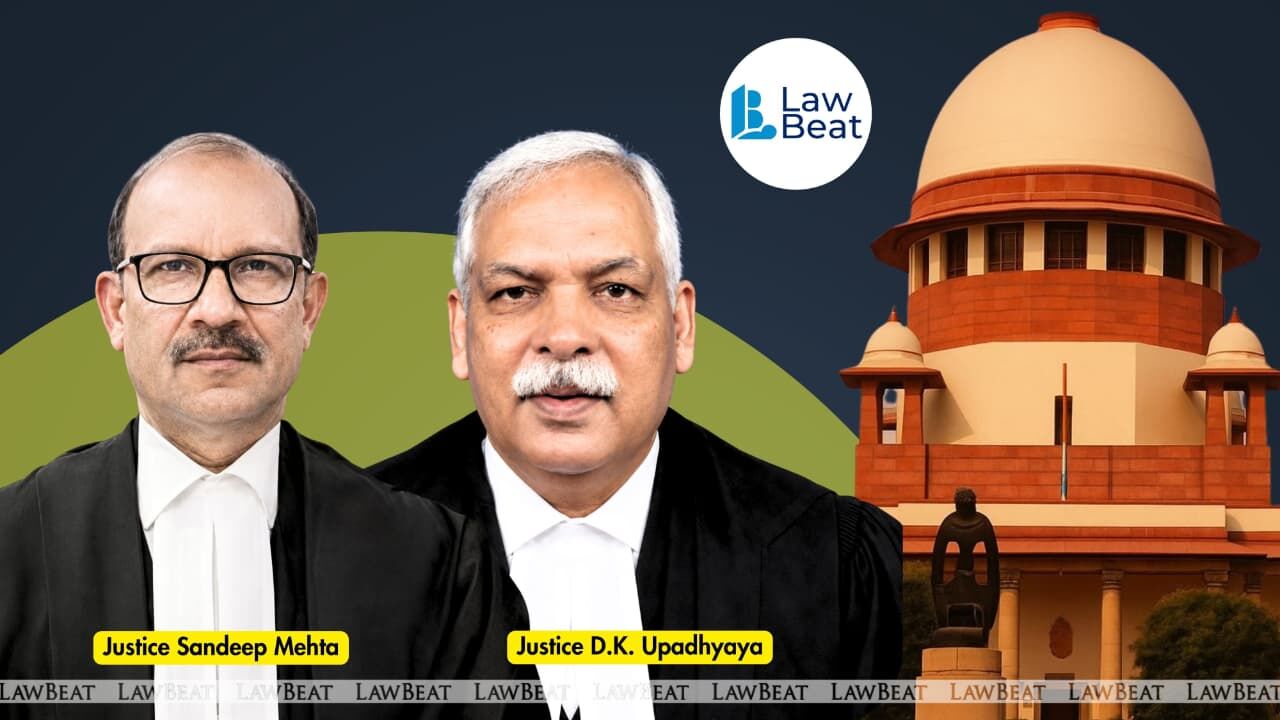
The Supreme Court, comprising Justices Sandeep Mehta and Devendra Kumar Upadhyaya, ultimately affirmed the conviction of Kharak Singh Mehta. The bench meticulously reviewed the statements of the two child witnesses, observing that both Master U and Master M maintained their consistent version of events throughout extensive cross-examination, remaining unshaken despite the defense's efforts to discredit them. The children, aged 17 and 16 at the time their testimony was examined by the High Court, had denied suggestions that their maternal grandfather had tutored them or that the gun had discharged accidentally while their father was cleaning it.
The Court found no error in the trial court's decision to rely on the eyewitness accounts, particularly given that their testimony was fully corroborated by the medical findings. The post-mortem report, detailing a gunshot injury to the head as the cause of death, provided crucial independent verification. Consequently, the Supreme Court concluded that there was no infirmity in the Uttarakhand High Court's judgment that would warrant intervention, and it dismissed Mehta's special leave petition as lacking merit. This ruling underscores that firm child witness testimony, when corroborated by medical evidence, is sufficient to sustain a murder conviction.
Practical Implications
This Supreme Court ruling clarifies that firm child witness testimony, when corroborated by medical evidence, is sufficient to sustain a murder conviction. Lawyers prosecuting or defending cases involving child witnesses should note the high evidentiary value placed on such testimony, emphasizing the need for robust corroboration or effective cross-examination strategies.
Source
How does this affect you?
Get an AI analysis of this article grounded in your jurisdictions, practice areas, and any policy documents you've uploaded to Wansom.
Finish Reading the Full Story and the Expert Analysis.
Wansom is AI and can make mistakes.