
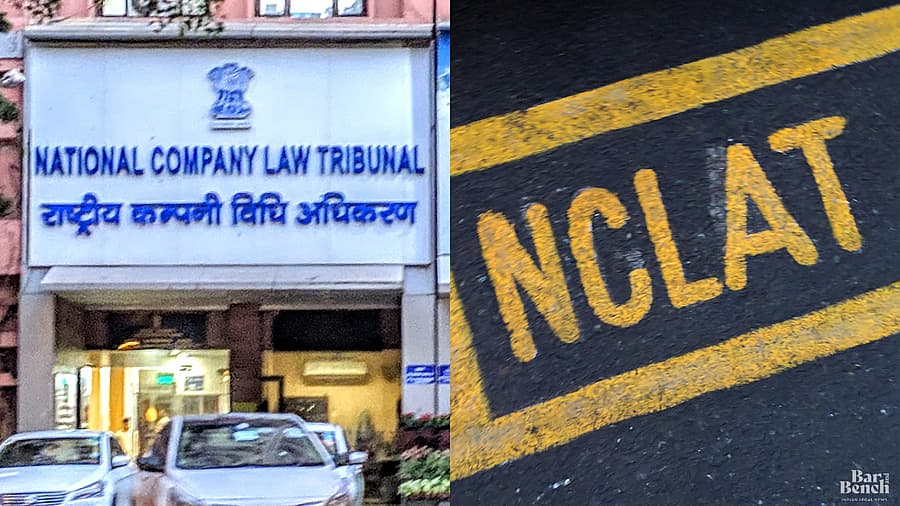
NCLAT: No Hotline Glass Fresh Valuation After NCLT Delay
Summary
- The NCLAT recently overturned an NCLT order for a fresh valuation of assets for Hotline Glass Limited.
- The NCLT had repeatedly reserved its verdict on the resolution plan for Hotline Glass since June 2023 before ordering a new valuation in April this year.
- The NCLAT ruled that the successful resolution applicant, Shree Varun Infratech, should not suffer commercial consequences from prolonged judicial delays.
- Shree Varun Infratech's resolution plan was approved by the Committee of Creditors with 100% voting share on January 11, 2021.
- The NCLAT emphasized that no default or irregularity was attributable to the applicant, justifying setting aside the NCLT's fresh valuation order.
NCLAT Overturns Fresh Valuation Order
The appellate tribunal explicitly stated that the resolution applicant, Shree Varun Infratech, should not be compelled to absorb the commercial impact of protracted delays in the approval process.
The National Company Law Appellate Tribunal (NCLAT) recently intervened in an ongoing insolvency case, setting aside a directive from the National Company Law Tribunal (NCLT) that had mandated a new valuation of assets for Hotline Glass Limited. This company has been under insolvency proceedings since 2022. The NCLT's original order, issued in April of the current year, called for a fresh valuation report before it would continue its adjudication of the resolution plan.
The NCLAT, specifically a bench comprising Justice Yogesh Khanna (Judicial Member) and Technical Member Barun Mitra, determined that the successful resolution applicant should not be compelled to bear the financial repercussions stemming from extended judicial delays. The appellate tribunal emphasized that such a burden is unwarranted, particularly when the applicant is not responsible for any default or procedural irregularity. This ruling directly addresses the commercial consequences faced by parties due to prolonged court processes, particularly in the context of an NCLAT Hotline Glass fresh valuation.
Case Background and NCLT Delays
The insolvency resolution process for Hotline Glass Limited saw its Committee of Creditors (CoC) unanimously approve a resolution plan submitted by Shree Varun Infratech. This approval, secured with a 100 percent voting share, occurred on January 11, 2021. Subsequently, the formal application seeking the NCLT's endorsement of this Shree Varun Infratech resolution plan was lodged in 2022, initiating the judicial review phase.
The NCLT's engagement with the case involved multiple instances of reserving its verdict. The initial reservation took place on June 16, 2023. However, a decision could not be pronounced at that time due to a reconstitution of the NCLT bench. Following this, the matter was reheard and reserved for judgment again, and this pattern of reservation without pronouncement occurred three times between June 2023 and September 2025, according to the original NCLT records, before the April order for a fresh valuation was issued.
Legal Rationale for Setting Aside Valuation
The NCLAT's decision to set aside the NCLT valuation order for Hotline Glass was grounded in a fundamental principle of fairness within insolvency proceedings. The appellate tribunal explicitly stated that the resolution applicant, Shree Varun Infratech, should not be compelled to absorb the commercial impact of protracted delays in the approval process. The NCLAT Justice Yogesh Khanna valuation ruling highlighted that imposing a new valuation exercise on the applicant would be unjust, especially given that no fault or procedural misstep was attributed to them.
This ruling underscores the judiciary's role in safeguarding resolution applicants from undue financial burdens arising from the tribunal's own procedural timeline. By rejecting the NCLT's directive for a fresh valuation, the NCLAT reinforced the idea that the commercial terms of an approved plan should not be arbitrarily altered due to delays that are beyond the applicant's control, thereby providing clarity on the responsibilities for insolvency resolution delay NCLAT cases.
Implications for Future Insolvency Cases
This significant NCLAT ruling provides a critical precedent for future insolvency cases, particularly concerning the NCLAT Hotline Glass fresh valuation dispute. It establishes a clear boundary for when an IBC fresh valuation order can be legitimately demanded, emphasizing that delays attributable to judicial processes should not penalize resolution applicants. For entities like Shree Varun Infratech, who secured 100% CoC approval, this decision offers protection against the erosion of their approved plan's commercial viability due to tribunal-induced delays.
The judgment by Justice Yogesh Khanna and Technical Member Barun Mitra sends a strong message that the integrity of the insolvency resolution process, including the finality of approved plans, must be maintained. It implies that while the NCLT has the power to order a fresh valuation, this power is not absolute and must be exercised judiciously, especially when the delays are not caused by the applicant. This ruling will likely empower resolution applicants to challenge similar NCLT directives, ensuring that the commercial realities of their proposals are respected despite the often-lengthy judicial timelines.
Practical Implications
Lawyers representing successful resolution applicants should leverage this NCLAT precedent to challenge NCLT orders for fresh valuation, especially when delays are attributable to the tribunal and not the applicant. This ruling reinforces that applicants should not bear commercial consequences for prolonged judicial proceedings, providing a strong argument against re-valuation demands in delayed insolvency cases.
Source
How does this affect you?
Get an AI analysis of this article grounded in your jurisdictions, practice areas, and any policy documents you've uploaded to Wansom.
Finish Reading the Full Story and the Expert Analysis.
Get the latest legal & regulatory intelligence in India
Wansom is AI and can make mistakes.