
NCIC Summons Kajiado Governor Lenku: Hate Speech Investigation
Summary
- The National Cohesion and Integration Commission (NCIC) has summoned Kajiado Governor Joseph Ole Lenku for an investigation into alleged hate speech.
- The governor's remarks, made on August 22, advocated for Maasai candidates in Kajiado and Narok political positions.
- He is required to appear before the commission on September 17, 2026, at Britam Towers in Nairobi.
- Failure to honor the summons could lead to an arrest warrant and potential criminal or contempt proceedings.
- The investigation falls under the National Cohesion and Integration Act, addressing hate speech and negative ethnicity.
The Summons and Allegations
The commission has explicitly warned that non-compliance with the summons could result in the issuance of an arrest warrant, compelling his appearance, and potentially initiating criminal or contempt proceedings.
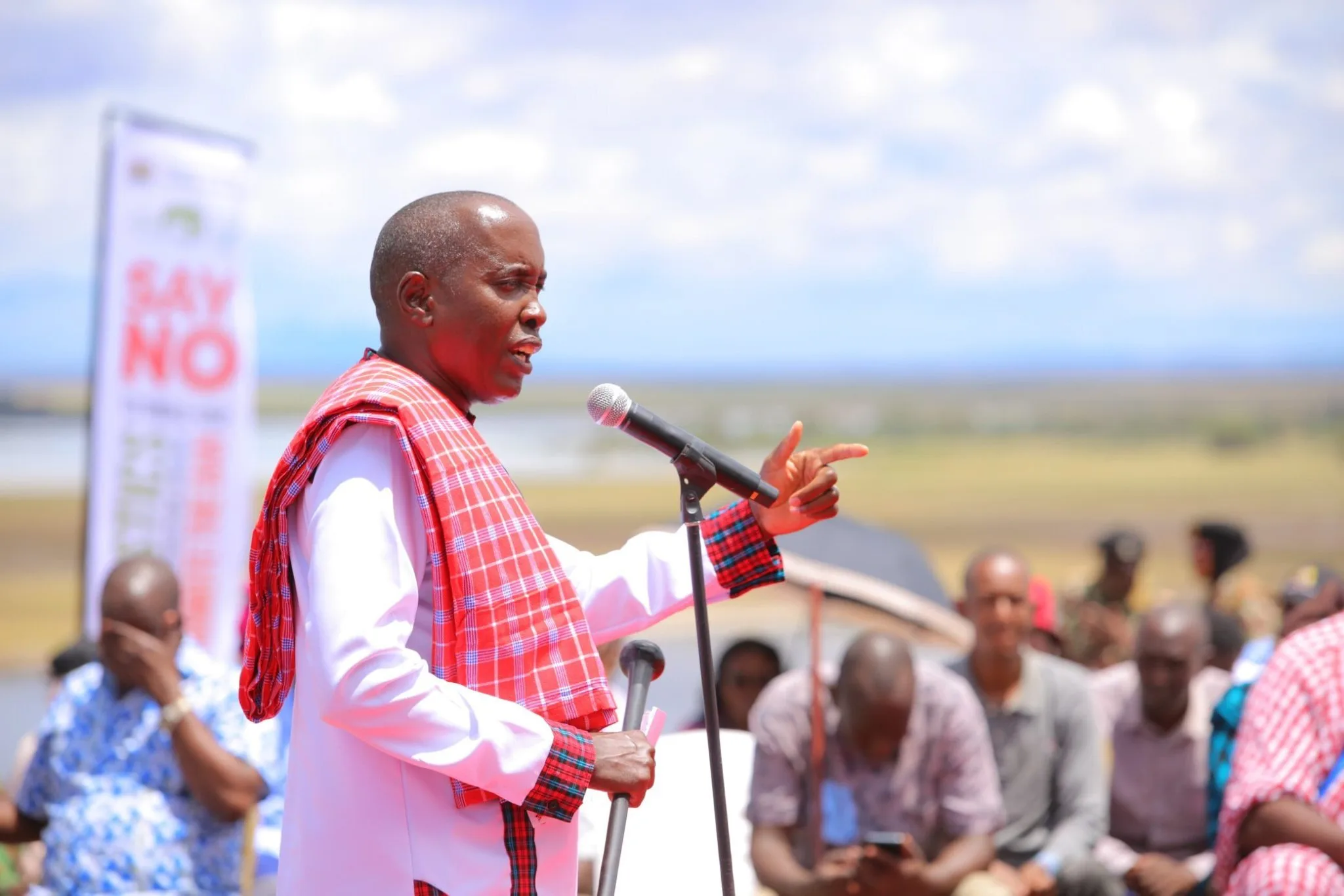
The National Cohesion and Integration Commission (NCIC) has issued a summons to Kajiado Governor Joseph Ole Lenku, initiating an investigation into remarks he allegedly made concerning political representation. The governor is mandated to appear before the commission on September 17, 2026, at 2 p.m. at Britam Towers in Upper Hill, Nairobi. This action stems from comments reportedly made by Governor Lenku on August 22 at Ewuaso Oonkidong’a in Kajiado West Constituency.
The investigation by the NCIC focuses on statements where Governor Lenku appeared to advocate for political parties to refrain from fielding candidates from other communities for positions he characterized as belonging to the Maasai. These positions were identified in areas such as Kajiado, Narok, and other unspecified regions. During his remarks, Governor Lenku reportedly praised the Democracy for Citizens Party (DCP) for its stance on allowing candidates from diverse communities to compete for political roles. However, he subsequently urged other political parties to respect what he termed the Maasai’s rightful leadership positions. He was quoted stating, "Any political party that fields a non-Maasai candidate for a position meant for the Maasai in Kajiado, Narok or elsewhere, we will have no relationship with you."
Furthermore, the Kajiado Governor asserted that the Maasai community had endured sufficient oppression and would no longer accept political arrangements deemed unfair. He also specifically referenced nominations for women’s assembly seats in Kajiado, arguing that political parties should not nominate individuals from outside the Maasai community for roles he considered reserved for them. These specific negative ethnicity remarks Kenya are now central to the ongoing NCIC summons Lenku hate speech investigation.
Legal Framework and Enforcement Powers
The NCIC's inquiry into Governor Lenku's statements falls under the purview of the National Cohesion and Integration Act. The commission is specifically investigating whether the remarks constitute hate speech, promote negative ethnicity, or demonstrate conduct capable of undermining peaceful relations among various communities. This legal framework empowers the NCIC to address utterances that could potentially destabilize national unity and harmony.
The commission has explicitly warned that non-compliance with the summons could result in the issuance of an arrest warrant, compelling his appearance, and potentially initiating criminal or contempt proceedings. The NCIC powers summons arrest provisions indicate that non-compliance could lead to the issuance of a warrant for his arrest, compelling his production before the commission. Additionally, the legal consequences could extend to the initiation of criminal proceedings or contempt of court actions against the governor. The NCIC's mandate is broad, encompassing the promotion of national unity and harmony while actively guarding against racism, religious intolerance, negative ethnicity, and hate speech. This demonstrates robust Kenya hate speech law enforcement.
It is important to note that while the investigation is active, the NCIC has not yet made a determination that Governor Lenku has committed any offense. The commission's current objective is to gather information and assess whether the governor's statements amount to hate speech or any other violation under the existing law.
Broader Implications and Ongoing Scrutiny
This NCIC summons Lenku hate speech investigation unfolds against a backdrop of heightened political activity as parties and leaders strategically position themselves ahead of the next electoral cycle. Issues surrounding ethnic representation and the control of political positions remain particularly sensitive in various parts of the country, making such public statements subject to intense scrutiny.
The commission’s proactive stance in issuing a summons to a high-profile public figure like Kajiado Governor Joseph Ole Lenku underscores its commitment to enforcing the National Cohesion and Integration Act. This case serves as a significant example of the NCIC's willingness to use its powers to investigate remarks perceived as divisive or promoting negative ethnicity, even before a formal finding of guilt. The ongoing nature of this inquiry highlights the continuous efforts to maintain social cohesion and prevent incitement, particularly from influential individuals.
Practical Implications
This case demonstrates the NCIC's active enforcement of the National Cohesion and Integration Act against public figures for remarks perceived as hate speech or promoting negative ethnicity. Lawyers advising political clients or public figures should note the commission's willingness to issue summonses and pursue potential criminal or contempt proceedings, underscoring the need for careful communication to avoid legal exposure.
Source
How does this affect you?
Get an AI analysis of this article grounded in your jurisdictions, practice areas, and any policy documents you've uploaded to Wansom.
Finish Reading the Full Story and the Expert Analysis.
Wansom is AI and can make mistakes.