
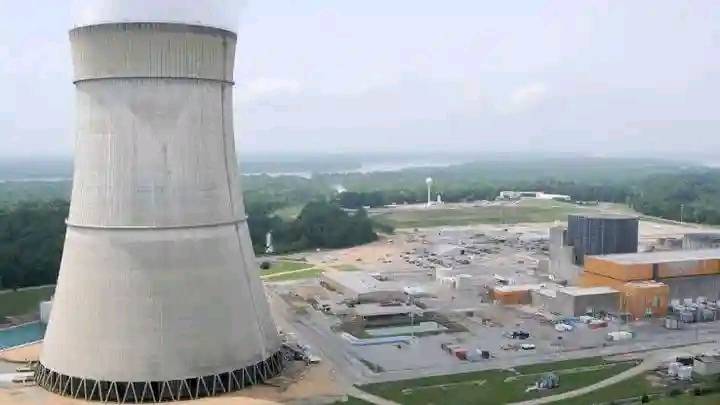
Kenya Ombudsman: Siaya Nuclear Information Ruling on NuPEA Data Access
Summary
- The Kenya Ombudsman is preparing a ruling on an information access dispute concerning the proposed Siaya nuclear power project.
- Friends of Siaya Anti-Nuclear Plant (FSANP) challenged the Nuclear Power and Energy Agency (NuPEA) for allegedly withholding crucial project documents.
- FSANP's requests include the Strategic Environmental Assessment Report and review comments from the Netherlands Commission for Environmental Assessment.
- The dispute, filed under the Access to Information Act, highlights community concerns over transparency, public participation, and environmental impacts.
- The ruling could set a precedent for information disclosure requirements for large infrastructure projects in Kenya.
Overview of the Dispute
This impending Kenya Ombudsman Siaya nuclear information ruling holds substantial implications for project transparency and public participation in large-scale infrastructure developments across the nation.
The Commission on Administrative Justice, commonly known as the Ombudsman, is poised to deliver a significant ruling concerning a dispute over access to information related to the proposed Siaya nuclear power project in Kenya. This development comes as local communities increasingly demand greater transparency regarding the project's progression. The core of the contention involves the Friends of Siaya Anti-Nuclear Plant (FSANP), who have challenged the Nuclear Power and Energy Agency (NuPEA) over the sufficiency of information provided in response to a comprehensive request.
FSANP's application to the Ombudsman follows NuPEA's response to an initial information request submitted in July. The group subsequently filed an application for review with the Commission on August 24, alleging that critical documents remained undisclosed. This legal challenge unfolds amidst widespread community concerns among residents and various groups regarding the project's status, its potential siting, land acquisition and compensation processes, environmental impacts, and overall nuclear safety protocols.
The Information at Stake
The initial information request from FSANP to NuPEA in July sought a broad spectrum of documentation pertaining to the proposed Siaya Nuclear Energy Project, which the group believes is planned for Central Sakwa Ward in Bondo Sub-County, an area situated within the Lake Victoria Basin. This extensive request included strategic plans, records related to site selection, technical and feasibility studies, comprehensive environmental and social assessments, details on land acquisition and resettlement, nuclear safety and emergency preparedness plans, records concerning radioactive waste management, financing and procurement information, and all documents related to public participation efforts.
NuPEA responded to this request on August 20, addressing various aspects such as site selection methodologies, land requirements, public participation initiatives, environmental assessment processes, nuclear safety measures, and radioactive waste management strategies, alongside potential impacts on livelihoods and community benefits. The agency indicated that potential sites had been identified through a multi-stage process and that certain studies and processes were still ongoing. While NuPEA provided a repository containing documents responsive to a portion of the information requested, FSANP contended that several crucial documents were still withheld. Specifically, the group highlighted the absence of the Strategic Environmental Assessment Report, review comments from the Netherlands Commission for Environmental Assessment, and the KenGen Resettlement and Compensation Framework. It is important to note that while these concerns were presented to the Commission by FSANP representatives, Ombudsman Chairperson Charles Dulo stressed that these remain allegations and have not been established as facts by the Commission.
Legal and Regulatory Context
The Commission on Administrative Justice, acting as the Ombudsman, confirmed that FSANP's application for review was lodged within the statutory 30-day period mandated by Kenya's Access to Information Act. This legal framework underpins the entire dispute, emphasizing the right of citizens to access information held by public bodies. As of August 31, only seven days had passed since the Commission received the application, indicating the swift progression of the review process, with a ruling actively being prepared.
In their appeal to the Ombudsman, FSANP is not only seeking the disclosure of additional information but also requesting the transfer of certain information requests to other relevant public entities. Furthermore, the group has asked for the preservation of records and the correction of what it deems to be defective responses from NuPEA. A significant aspect of their petition includes a recommendation that the Ombudsman advise the National Environment Management Authority (NEMA) to halt any further approvals or licenses for the Siaya nuclear project until NuPEA fully complies with its information disclosure and public participation obligations.
The Ombudsman also clarified that a separate access-to-information case concerning the nuclear project, involving the Western Kenya Social Justice Centres Working Group, is distinct from the FSANP dispute.
Implications for Transparency and Public Participation
This impending Kenya Ombudsman Siaya nuclear information ruling holds substantial implications for project transparency and public participation in large-scale infrastructure developments across the nation. The outcome could establish a significant precedent regarding the extent to which public agencies, such as NuPEA, are compelled to release comprehensive project documentation under the Access to Information Act. The dispute underscores the critical role of regulatory bodies like the Commission on Administrative Justice Kenya in ensuring accountability and openness, particularly for projects with profound environmental and social ramifications.
The focus on documents like the Strategic Environmental Assessment Report and the KenGen Resettlement and Compensation Framework highlights the importance of thorough environmental assessment Siaya and social impact planning for the proposed nuclear project. A definitive ruling could reinforce the necessity for robust public participation nuclear project processes, ensuring that communities are not only informed but also meaningfully engaged in decisions affecting their livelihoods and environment, especially within sensitive areas like the Lake Victoria Basin. Lawyers advising clients on major infrastructure initiatives in Kenya should closely monitor this case, as it may redefine the standards for information disclosure and the scope of public engagement required for project approvals.
Practical Implications
Lawyers advising clients on large infrastructure projects in Kenya should monitor this ruling, as it could set a significant precedent for information disclosure requirements under the Access to Information Act and the scope of public participation. It highlights the potential for regulatory bodies like the Ombudsman to compel public agencies to release comprehensive project documentation, including environmental and social impact assessments.
Source
How does this affect you?
Get an AI analysis of this article grounded in your jurisdictions, practice areas, and any policy documents you've uploaded to Wansom.
Finish Reading the Full Story and the Expert Analysis.
Wansom is AI and can make mistakes.