
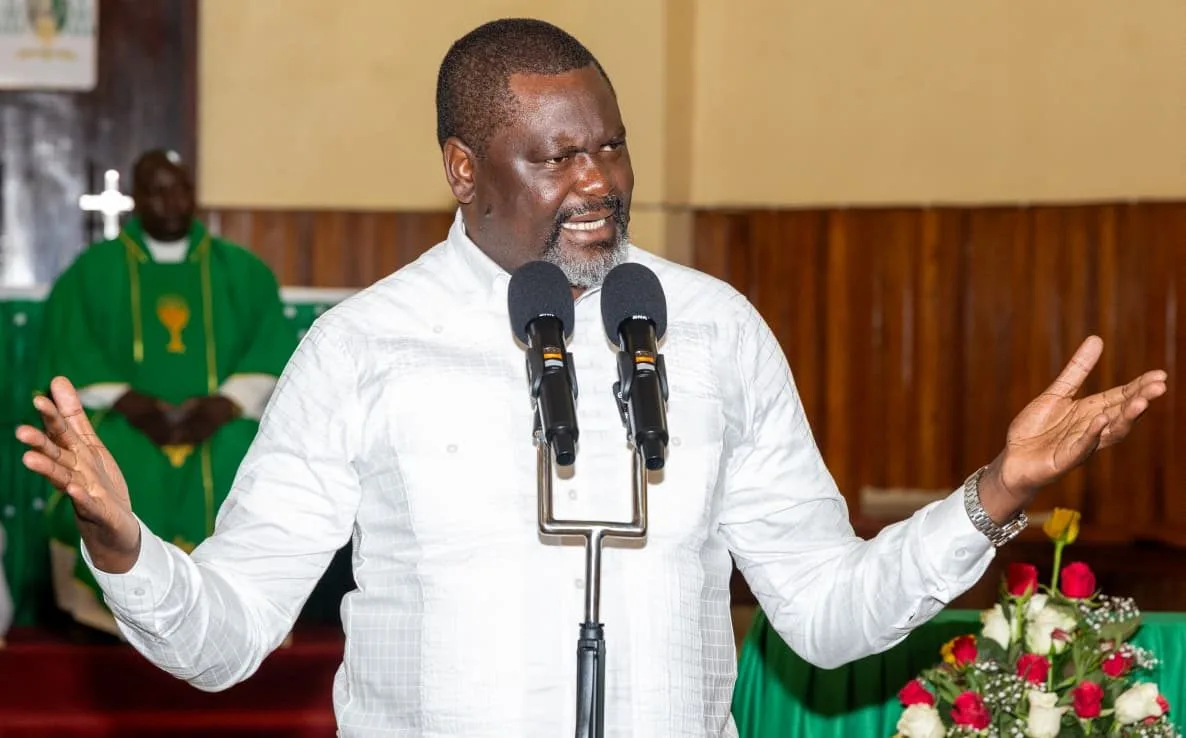
NCIC: Censure for CS Ruku's Divisive Remarks in Kenya
Summary
- The National Cohesion and Integration Commission (NCIC) found Public Service Cabinet Secretary Geoffrey Ruku's July 2026 remarks constituted collective ethnic blame and undermined harmonious relations.
- The NCIC issued an immediate cessation notice against Mr. Ruku and mandated a remedial reconciliation process and an ethnic and diversity audit of national public establishments.
- The commission emphasized that a Cabinet Secretary's position amplifies speech influence, requiring higher restraint, and that constitutional rights do not authorize collective blame against other communities.
- Mr. Ruku admitted making the remarks but argued they were constitutionally protected and that his 'neck' imagery was figurative, a defense the NCIC partially accepted but still deemed requiring greater restraint from a leader.
- This NCIC Determination No. 4 of 2026 clarifies that public officials must uphold high communication standards under the Constitution and the National Cohesion and Integration Act, even when advocating for specific ethnic groups.
What Happened: NCIC's Determination Against CS Ruku
This ruling serves as a vital reminder for all public officials, especially Cabinet Secretaries, that their public statements are subject to intense scrutiny and carry profound implications for national unity.
The National Cohesion and Integration Commission (NCIC) has issued a significant finding against Public Service Cabinet Secretary Geoffrey Ruku, determining that remarks he made in July 2026 constituted collective ethnic blame and undermined national harmony. This decision, formalized as NCIC Determination No. 4 of 2026 on October 7, found that Mr. Ruku's statements, delivered in Tharaka Nithi County, specifically referenced Kikuyu people and included an assertion that residents of Mt Kenya West believed Kenya belonged to them. The commission concluded that his use of ethnic surnames transformed what might have been institutional grievances into a broader, collective ethnic accusation.
The NCIC's investigation determined that these comments diminished the equal standing of Kikuyu people, disrupted harmonious relations, and failed to uphold their rights and reputation. As a direct consequence of this finding, an immediate cessation notice was served on Mr. Ruku. Furthermore, the commission has mandated a remedial reconciliation process and ordered an ethnic and diversity audit across national public establishments, underscoring the gravity of the breach.
While Mr. Ruku subsequently initiated peace efforts, the NCIC acknowledged these as positive initial steps. However, the commission clarified that these actions did not nullify the adverse findings or complete the necessary corrective measures, indicating an ongoing process to address the impact of his divisive remarks in Kenya. This determination sets a clear precedent for the expected conduct of high-ranking officials.
The Legal and Ethical Standard for Public Officials
The National Cohesion and Integration Commission emphasized that Cabinet Secretaries, by virtue of their prominent positions, are held to an exceptionally high standard of public communication. The NCIC highlighted that the influence of a Cabinet Secretary's speech is significantly amplified, thereby necessitating a greater degree of restraint in their public pronouncements. This principle underpins the NCIC's censure of CS Ruku's divisive remarks in Kenya.
While Section 25 of the Conflict of Interest Act specifically exempts Cabinet Secretaries from certain political-neutrality prohibitions, the commission clarified that this exclusion does not absolve them from adhering to the broader requirements stipulated by the Constitution or the National Cohesion and Integration Act. The NCIC underscored that all public officials are expected to exercise profound responsibility in their public statements, recognizing that their words carry substantial weight and can profoundly impact public discourse and inter-ethnic relations.
This ruling reinforces that the constitutional protection of distinct ethnic identities and the right to advocate for equitable development must not be conflated with or used to justify collective ethnic blame determination. The NCIC's enforcement of the National Cohesion and Integration Act aims to prevent speech that demeans any community or undermines the foundational principles of national unity and respect for all citizens.
CS Ruku's Defense and NCIC's Rebuttal
During his appearance before the National Cohesion and Integration Commission on September 1, 2026, accompanied by his legal counsel, Cabinet Secretary Geoffrey Ruku admitted to making the contentious remarks. He presented a defense rooted in constitutional principles, asserting that the Constitution safeguards distinct ethnic identities and the right of communities to demand equitable development and public appointments. Mr. Ruku also cited alleged disparities between Mt Kenya East and Mt Kenya West and denied any malicious intent towards the Kikuyu people. He further explained that his repeated use of imagery concerning "stepping on former Deputy President Rigathi Gachagua's neck" was intended metaphorically to describe political defeat, rather than physical harm.
The NCIC meticulously reviewed the recording and transcript of Mr. Ruku's speech, alongside his explanations and legal submissions. While the commission acknowledged that the "neck" imagery could be interpreted as figurative political language within the context, it nonetheless concluded that such rhetoric still demanded greater restraint from a public leader. The commission also addressed an initial procedural error regarding the location and date of the remarks, confirming that this material error was corrected before Mr. Ruku's appearance, ensuring no procedural prejudice was suffered and that he had a full opportunity to present his case.
Crucially, the NCIC affirmed Mr. Ruku's right to identify as Mbeere, to differentiate between communities, and to raise legitimate concerns about development and public appointments, as well as to advocate for equitable treatment. However, the commission firmly distinguished these rights from any authorization to engage in collective blame against another community. It reiterated that while the Constitution protects diverse ethnic, cultural, and regional identities, this protection does not extend to justifying collective ethnic blame. The NCIC also clarified that Article 232 of the Constitution, which mandates adequate and equal opportunities for all ethnic groups in public service, does not provide a basis for the alleged disparities to excuse such remarks.
Implications for Public Communication in Kenya
The NCIC's determination against Public Service Cabinet Secretary Geoffrey Ruku establishes a significant precedent for public communication standards among high-ranking officials in Kenya. It underscores the commission's commitment to the robust enforcement of the National Cohesion and Integration Act, particularly concerning what constitutes 'divisive remarks' and 'collective ethnic blame'. This case clarifies that even when advocating for the interests of a specific ethnic group, public officials must avoid language that demeans, blames, or undermines the standing of other communities.
The immediate cessation notice, coupled with the mandated remedial reconciliation process and the directive for an ethnic and diversity audit of national public establishments, signals a proactive approach by the NCIC to address and mitigate the impact of such statements. This comprehensive response highlights the commission's intent to not only sanction individuals but also to foster broader systemic changes that promote national cohesion.
This ruling serves as a vital reminder for all public officials, especially Cabinet Secretaries, that their public statements are subject to intense scrutiny and carry profound implications for national unity. The NCIC's actions reinforce the principle that while distinct identities are constitutionally protected, the pursuit of group interests must never infringe upon the dignity and rights of others, thereby strengthening the framework for responsible public discourse in Kenya.
Practical Implications
This NCIC determination clarifies the high standard of public communication expected from Cabinet Secretaries and other public officials in Kenya, even when advocating for specific ethnic groups. Lawyers advising public officials or government entities should note this precedent regarding what constitutes 'divisive remarks' and 'collective ethnic blame' under the Constitution and the NCIC Act, highlighting potential enforcement actions like cessation notices and mandated reconciliation processes for breaches.
Source
How does this affect you?
Get an AI analysis of this article grounded in your jurisdictions, practice areas, and any policy documents you've uploaded to Wansom.
Finish Reading the Full Story and the Expert Analysis.
Get the latest legal & regulatory intelligence in Kenya
Wansom is AI and can make mistakes.