
Uganda: Museveni Directs SGR Yapi Merkezi Contract Reversal, Project Proceeds
Summary
- General Muhoozi Kainerugaba initially announced the cancellation of Uganda's $3 billion Standard Gauge Railway contract with Turkish firm Yapi Merkezi.
- This decision, made public on X, was later reversed by Muhoozi on November 6.
- The reversal came after direct instructions from his father, President Yoweri Museveni, to allow Yapi Merkezi to proceed with the first phase of the Malaba-Kampala SGR project.
- The 272-kilometer electric railway aims to connect Kampala to Malaba, linking Uganda to Kenya's SGR network and the Port of Mombasa.
- The project, officially launched by President Museveni in November 2024, is part of Uganda's broader plan to develop a modern regional rail network.
Initial Controversy and Public Statements
The unexpected reversal on November 6 effectively reinstated the Turkish firm's role, following direct instructions from President Yoweri Museveni.
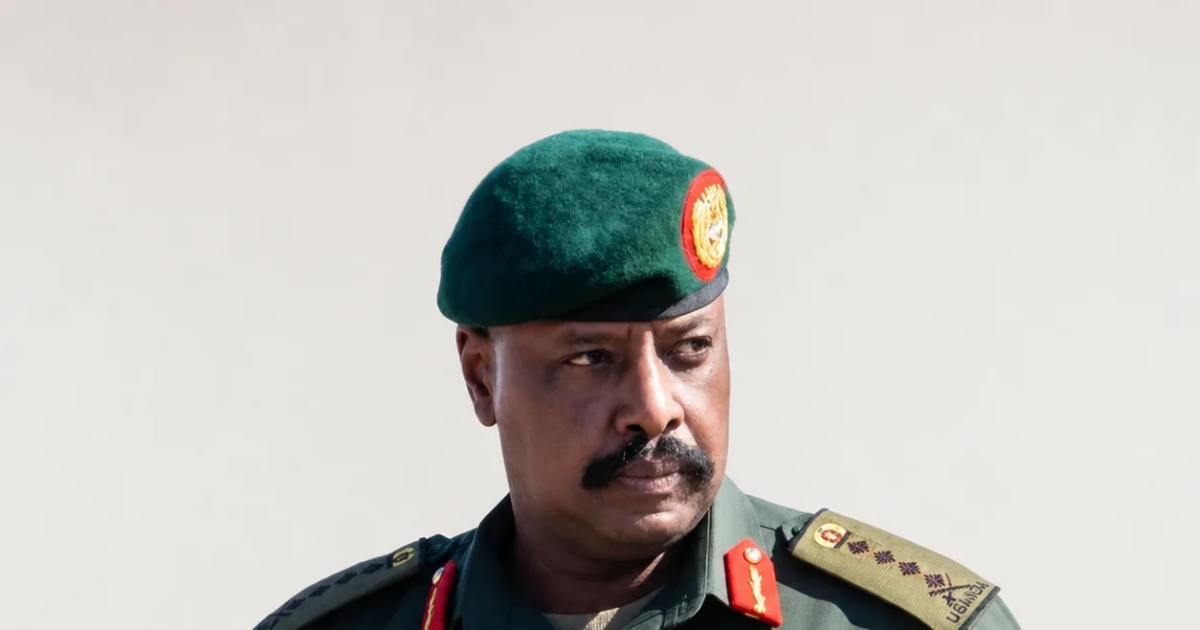
Uganda's Chief of Defence Forces, General Muhoozi Kainerugaba, publicly announced the termination of a multi-billion-dollar contract for the nation's Standard Gauge Railway (SGR) project with Turkish construction firm Yapi Merkezi. The general, who is the son of President Yoweri Museveni, stated on November 21 that Uganda would seek an alternative contractor deemed more suitable for the country's needs. This declaration, made through posts on X, cast immediate doubt over the future of the significant regional infrastructure initiative.
General Kainerugaba's initial announcement included a call for supporters of the Patriotic League of Uganda (PLU), an organization he chairs, to stage demonstrations outside the Turkish Embassy in Kampala on June 19. He further directed security agencies to permit these protests, emphasizing that ordinary Ugandans and his supporters should be allowed to demonstrate at the diplomatic mission. This period of uncertainty was compounded by escalating tensions between General Kainerugaba and Turkey, stemming from his demand for Ankara to extradite or expel Ugandan activist Fred Lumbuye, who resides in Turkey. The planned demonstration was subsequently suspended by Muhoozi, who indicated a desire to visit Greece before making a final decision regarding Turkey. Despite these public pronouncements, Uganda's Ministry of Works and Transport did not immediately issue a public clarification on the legal standing of the agreement, leaving its status ambiguous.
Presidential Intervention and Contract Reversal
The initial uncertainty surrounding the Yapi Merkezi contract was resolved following a direct intervention from President Yoweri Museveni. On November 6, General Kainerugaba reversed his earlier position, announcing that Yapi Merkezi had received approval to proceed with the initial phase of the SGR project. This decision came as a direct result of instructions from his father, President Museveni.
General Kainerugaba explicitly stated on X that, under the guidance and directives of President Museveni, he approved the Turkish company, Yapi Merkezi, to implement the first phase of the Standard Gauge Railway, specifically the section connecting Malaba to Kampala. He further instructed various government departments to accelerate the execution of this directive. This unexpected reversal effectively reinstated the Turkish firm's role, restoring clarity to the project after several months of public dispute and uncertainty.
The Standard Gauge Railway Project Background
The Standard Gauge Railway project is a critical infrastructure initiative for Uganda, designed to establish a 272-kilometre electric railway linking Kampala to Malaba. This connection is vital as it will integrate with Kenya's existing SGR network, thereby providing landlocked Uganda with a crucial rail link to the Port of Mombasa. The contract, valued at €2.7 billion (approximately $3 billion), was formally signed between the Ugandan government and Yapi Merkezi in October 2024.
This agreement with Yapi Merkezi followed the abandonment of an earlier arrangement with China Harbour Engineering Company, which was unable to secure the necessary financing for the railway's implementation. President Museveni officially inaugurated the construction of the Malaba-Kampala section in November 2024, with major construction works anticipated to span four years once fully underway. As of November 18, the Ugandan government had disbursed Shs373 billion in compensation to 7,721 individuals affected by the project, with ongoing efforts in land acquisition.
Strategic Importance and Regional Impact
The development of the Standard Gauge Railway is a cornerstone of Uganda's broader strategy to establish a modern, interconnected rail network across the region. This ambitious plan aims to link Uganda with neighboring countries including Kenya, South Sudan, Rwanda, and the Democratic Republic of Congo, fostering greater economic integration and trade.
Completion of the SGR is projected to yield substantial economic benefits, including a significant reduction in the cost of transporting goods. Furthermore, it is expected to alleviate pressure on existing road networks and bolster regional trade flows through the vital Northern Corridor. The project's strategic importance underscores its role in enhancing Uganda's economic competitiveness and facilitating smoother logistics within East Africa.
Practical Implications
Lawyers advising on large-scale infrastructure projects in Uganda must account for significant political risk, including potential for public contract cancellations and subsequent reversals by presidential directive, even after formal agreements. Compliance officers should prioritize thorough political risk assessments and seek official government confirmation of contractual status, rather than relying on public statements from non-contracting parties.
Source
How does this affect you?
Get an AI analysis of this article grounded in your jurisdictions, practice areas, and any policy documents you've uploaded to Wansom.
Finish Reading the Full Story and the Expert Analysis.
Get the latest legal & regulatory intelligence in Kenya
Wansom is AI and can make mistakes.