
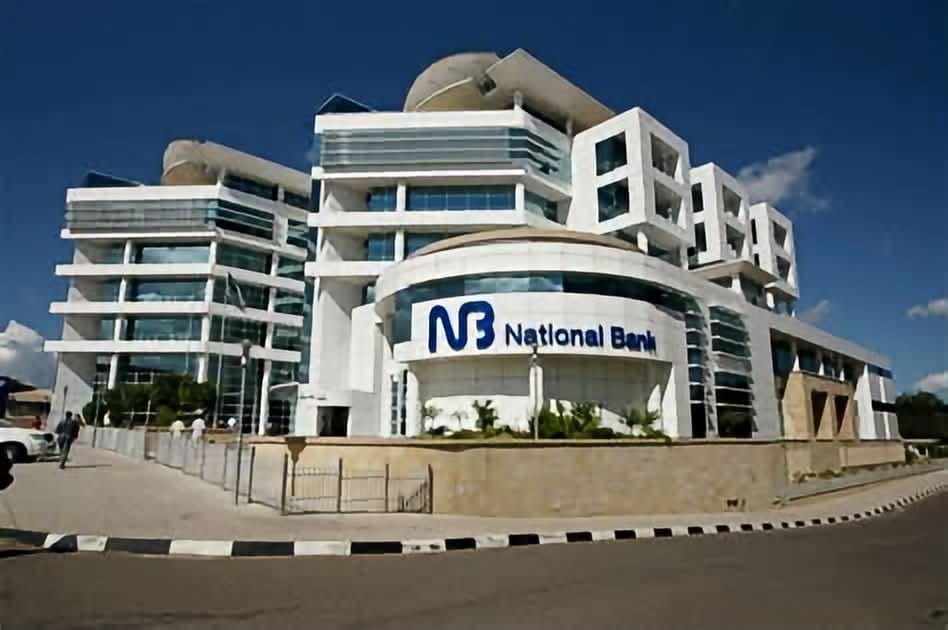
National Bank of Malawi: Central to 3 Major Public Money Scandals
Summary
- The National Bank of Malawi has been identified as a common thread in three of the country's most significant public money scandals.
- These consequential scandals have spanned a period of more than a decade, consistently involving NBM.
- The recurring link raises critical questions about whether it signifies systemic failure, institutional negligence, or mere coincidence.
- This pattern has led to a re-evaluation of NBM's role, questioning its status as the 'Bank of the Nation' versus the 'Bank of the Vanishing Billions.'
- The situation highlights significant regulatory and reputational risks within Malawi's banking sector.
Recurring Financial Controversies
Over the past decade, the National Bank of Malawi (NBM) has emerged as a consistent factor in three of the nation's most impactful public money scandals.
A significant portion of Malawi's recent financial history appears to be inextricably linked to the operational records of a single banking institution. Over the past decade, the National Bank of Malawi (NBM) has emerged as a consistent factor in three of the nation's most impactful public money scandals. This recurring presence in major financial controversies raises critical questions about the institution's role and the broader landscape of public funds mismanagement Malawi.
These three distinct yet interconnected incidents, unfolding across more than ten years, collectively represent some of the most consequential public money scandals to have affected the country. The consistent appearance of the National Bank of Malawi as a common thread throughout these events is a central point of concern, prompting scrutiny into the underlying causes of such widespread NBM Malawi financial irregularities. The pattern suggests a deeper issue than isolated incidents, pointing towards potential systemic vulnerabilities within the banking sector.
Legal and Regulatory Scrutiny
The persistent involvement of the National Bank of Malawi in these high-profile public money scandals necessitates a thorough examination of its operational integrity and compliance frameworks. The central question that arises from this pattern is whether the common thread of NBM indicates a systemic failure within the institution, points to institutional negligence in its oversight responsibilities, or is merely a series of unfortunate coincidences. Each of these possibilities carries profound implications for the stability and trustworthiness of Malawi's financial infrastructure.
Such a consistent link to significant public money mismanagement events inevitably draws the attention of regulatory bodies and could trigger extensive National Bank of Malawi investigations. The implications extend beyond the bank itself, potentially highlighting broader Malawi banking sector scandals and the inherent Malawi financial crime risk. Understanding the root causes behind NBM's recurring role is crucial for strengthening regulatory oversight and restoring public confidence in the nation's financial institutions.
Implications for National Trust
The repeated association of the National Bank of Malawi with major public money scandals places its reputation at a critical juncture. The institution, often perceived as a pillar of the nation's financial system, now faces a dichotomy: whether it will continue to be seen as the 'Bank of the Nation' or be increasingly characterized as the 'Bank of the Vanishing Billions.' This perception shift carries significant weight, impacting both domestic and international confidence in Malawi's financial stability.
The ongoing narrative surrounding these National Bank of Malawi public money scandals underscores the heightened regulatory and reputational risks associated with transactions involving the institution. For legal and compliance professionals, this context necessitates enhanced due diligence and scrutiny of financial flows to mitigate potential exposure to public money mismanagement investigations. The integrity of Malawi's financial history, as it continues to unfold, is now inextricably linked to how these profound questions surrounding NBM's role are addressed and resolved.
Practical Implications
Lawyers and compliance officers should advise clients on the heightened regulatory and reputational risks associated with transactions involving National Bank of Malawi, necessitating enhanced due diligence and scrutiny of financial flows to mitigate potential exposure to public money mismanagement investigations.
Source
How does this affect you?
Get an AI analysis of this article grounded in your jurisdictions, practice areas, and any policy documents you've uploaded to Wansom.
Wansom is AI and can make mistakes.