
Malawi Fuel Importer: K700m Governance Failure Sparks Outcry
Summary
- Malawi's state-backed fuel importer is facing severe political backlash after K700 million ($404,000 / £300,000) in state funds disappeared.
- The loss is attributed to a suspected fraudulent transaction, raising concerns about corporate governance and institutional oversight.
- Dr. Matthews Mtumbuka, deputy leader of the UTM Party and a Member of Parliament, labeled the incident an "avoidable failure of corporate governance."
- The event highlights broader issues of public funds mismanagement and calls for increased scrutiny on state-backed entities in Malawi.
Funds Disappear Amidst Governance Concerns
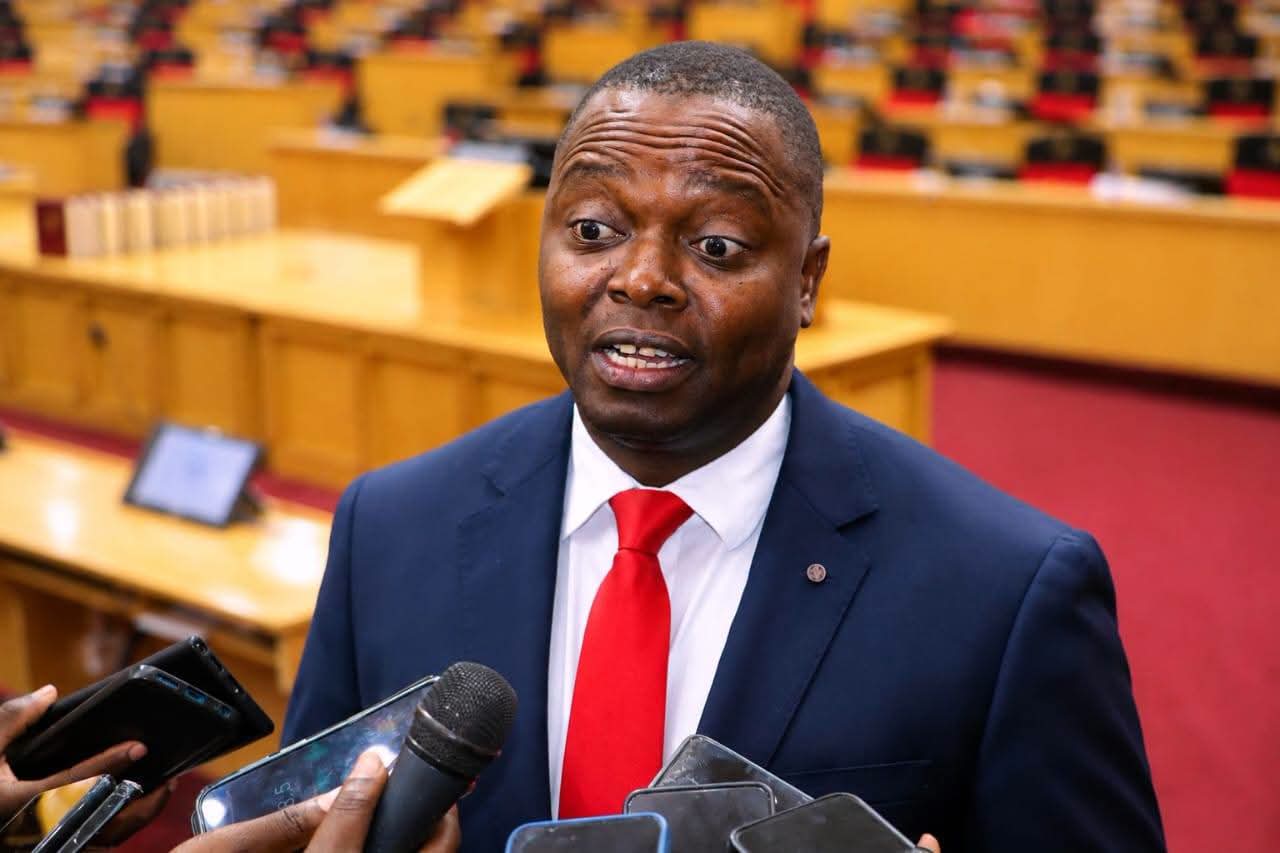
Dr. Matthews Mtumbuka, a prominent figure in Malawian politics, publicly characterized the K700 million loss as an "avoidable failure of corporate governance."
Malawi's state-backed fuel importer is currently embroiled in a significant controversy following the disappearance of a substantial sum of public money. Approximately K700 million, equivalent to $404,000 or £300,000, in state funds has vanished, prompting widespread alarm. This incident is strongly suspected to be the result of a fraudulent transaction, casting a shadow over the financial integrity of a key national entity.
The alleged Malawi K700m fraudulent transaction has triggered severe political backlash across the Southern African nation. The incident immediately brought to the forefront renewed concerns regarding corporate governance standards and the effectiveness of institutional oversight within Malawi's public sector. The state-backed nature of the fuel importer means that the lost funds directly impact public resources, intensifying the scrutiny and calls for accountability.
Opposition Leader Condemns Failure
The gravity of the situation was underscored by Dr. Matthews Mtumbuka, a prominent figure in Malawian politics. Serving as both the deputy leader of the UTM Party and a Member of Parliament, Dr. Mtumbuka publicly characterized the K700 million loss as an "avoidable failure of corporate governance." His strong condemnation highlights the perception that this financial mishap could have been prevented with proper internal controls and vigilance.
Dr. Matthews Mtumbuka corporate governance critique points directly to systemic weaknesses rather than isolated errors. The UTM Malawi corporate oversight concerns articulated by Dr. Mtumbuka suggest that the issue extends beyond a single transaction, implying broader deficiencies in how state-backed enterprises manage public funds and adhere to established governance protocols. This political commentary amplifies the pressure on the implicated fuel importer and the government to address these lapses comprehensively.
Heightened Scrutiny on Public Entities
This development signals a period of heightened scrutiny for entities operating within or alongside Malawi's state-backed sectors, particularly concerning corporate governance and anti-corruption compliance. The Malawi fuel importer K700m governance failure serves as a stark reminder of the vulnerabilities that can exist when public funds are managed without robust oversight. The incident is likely to prompt a re-evaluation of internal control mechanisms and due diligence processes across various state-affiliated organizations.
The suspected Malawi state-backed fuel importer fraud underscores the critical importance of transparent financial management and accountability in public institutions. The disappearance of such a significant sum of state funds due to alleged fraud and Malawi public funds mismanagement will inevitably lead to increased demands for greater transparency and more stringent regulatory frameworks. This situation reinforces the need for all organizations, especially those handling public resources, to maintain impeccable standards of governance to mitigate risks and preserve public trust.
Practical Implications
This development signals heightened scrutiny on corporate governance and anti-corruption compliance for entities operating with or within Malawi's state-backed sectors. Lawyers should advise clients on reviewing internal controls and due diligence processes to mitigate risks associated with public funds and institutional oversight.
Source
How does this affect you?
Get an AI analysis of this article grounded in your jurisdictions, practice areas, and any policy documents you've uploaded to Wansom.
Wansom is AI and can make mistakes.