
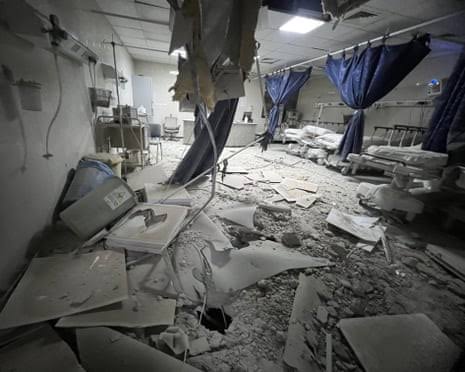
18 Nations Condemn: Nasser Medical Complex Gaza Strike Violates International Law
Summary
- Egypt and 17 other nations strongly condemned an Israeli airstrike on the Nasser Medical Complex in Khan Younis, southern Gaza.
- Their foreign ministers reported that the strike caused casualties among both patients and medical staff.
- The joint statement asserted that the attack violated international humanitarian law, which provides special protection for medical facilities.
- The coalition of countries urged the United States to enforce a ceasefire in the region.
Incident at Nasser Medical Complex
This incident serves as a critical case study for international humanitarian law practitioners, particularly concerning the protection of medical facilities and personnel in armed conflict, and may inform future legal analyses or accountability efforts related to potential war crimes or breaches of international law.
An Israeli airstrike targeting the Nasser Medical Complex, situated in Khan Younis within southern Gaza, has drawn strong condemnation from a coalition of 18 nations. Egypt, alongside 17 other Arab and Muslim-majority countries, issued a joint statement denouncing the attack in the strongest possible terms, highlighting its severe impact on the civilian population and medical infrastructure in the besieged territory.
The foreign ministers of these nations reported that the strike resulted in casualties among both patients and medical personnel within the hospital facility. This incident underscores the precarious situation of healthcare services in conflict zones, particularly in areas like Gaza where medical facilities are already under immense strain. The international community's focus has intensified on the protection of such critical civilian infrastructure during hostilities.
Breach of International Humanitarian Law
The joint statement from the 18 countries explicitly asserted that the Israeli airstrike on the Nasser Medical Complex constitutes a clear violation of international humanitarian law (IHL). This body of law, often referred to as the law of armed conflict, is designed to limit the effects of armed conflict for humanitarian reasons, protecting persons who are not or are no longer participating in hostilities and restricting the means and methods of warfare.
Central to IHL are the Geneva Conventions, which specifically mandate special protection for medical facilities, personnel, and transport during armed conflicts. Attacks on hospitals, unless they are being used for military purposes outside their humanitarian function and after due warning, are strictly prohibited. The reported casualties among patients and staff at the Nasser Medical Complex raise serious questions about adherence to these fundamental principles, making the Khan Younis hospital attack a critical case study for assessing potential Israel Gaza international humanitarian law violations.
International Response and Call for Ceasefire
The collective condemnation from Egypt and its allies emphasizes the gravity with which the international community views attacks on healthcare infrastructure. Their foreign ministers, in their joint declaration, not only highlighted the violation of international humanitarian law but also issued a direct appeal to the United States. They urged Washington to take decisive action to enforce a ceasefire in the region, signaling a broader concern about the ongoing conflict's humanitarian toll.
This incident serves as a critical case study for international humanitarian law practitioners, particularly concerning the protection of medical facilities and personnel in armed conflict, and may inform future legal analyses or accountability efforts related to potential war crimes or breaches of international law. The unified stance of these nations underscores the urgent need for all parties to respect their obligations under the Geneva Conventions hospital protection protocols and to ensure the safety of civilians and healthcare providers in conflict zones.
Practical Implications
This incident serves as a critical case study for international humanitarian law practitioners, particularly concerning the protection of medical facilities and personnel in armed conflict, and may inform future legal analyses or accountability efforts related to potential war crimes or breaches of international law.
Source
How does this affect you?
Get an AI analysis of this article grounded in your jurisdictions, practice areas, and any policy documents you've uploaded to Wansom.
Finish Reading the Full Story and the Expert Analysis.
Get the latest legal & regulatory intelligence in Egypt
Wansom is AI and can make mistakes.