
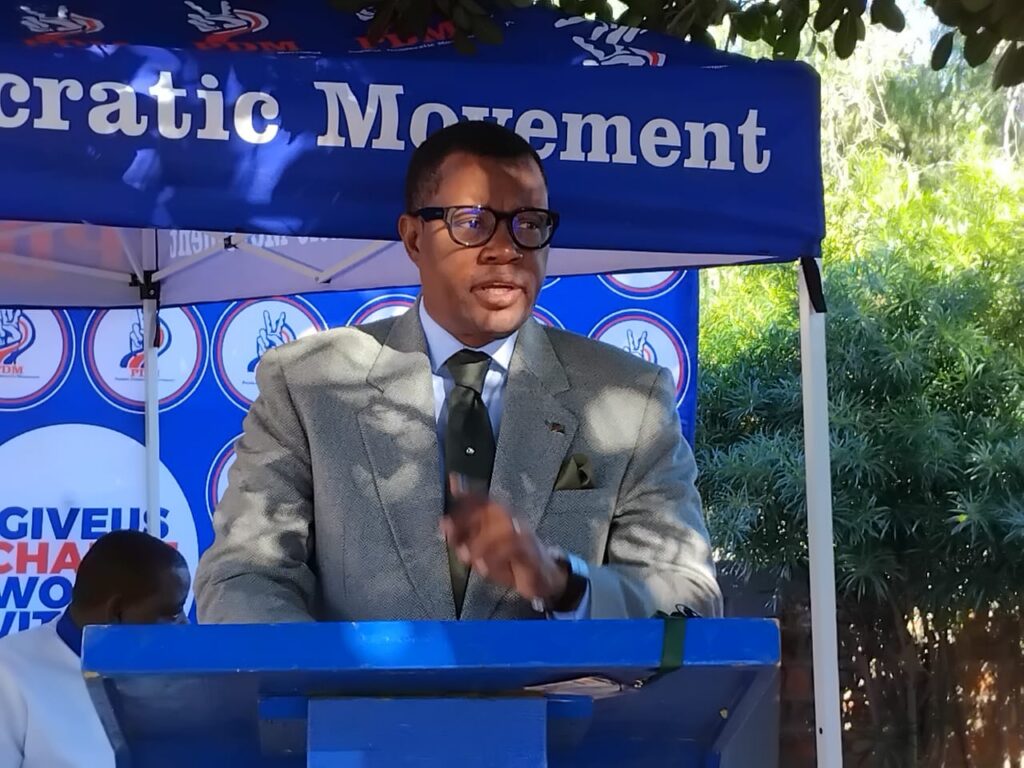
Namibia Parliament: Gov't Pressed on Rössing Uranium IDC Stake
Summary
- PDM leader McHenry Venaani recently questioned Industries, Mines and Energy Minister Modestus Amutse in the National Assembly.
- The inquiry focused on the Namibian government's efforts to acquire the Industrial Development Corporation of South Africa’s (IDC) 10.2% shareholding in Rössing Uranium.
- Venaani sought accountability regarding the government's plans to secure this strategic stake.
- The potential acquisition signals a possible shift in state involvement in strategic mining assets within Namibia.
Parliamentary Scrutiny Over Strategic Mining Asset
Lawyers and compliance officers operating within or looking to invest in Namibia should closely monitor the government's stated intentions regarding the acquisition of the Namibia government Rössing Uranium IDC stake.
This week, the Namibian National Assembly saw Popular Democratic Movement (PDM) leader McHenry Venaani press the government for details regarding its intentions to acquire a significant stake in Rössing Uranium. Venaani specifically directed his questions to Industries, Mines and Energy Minister Modestus Amutse, seeking accountability for the government's ongoing efforts. The focus of the inquiry was the 10.2% shareholding currently held by the Industrial Development Corporation of South Africa (IDC) in the prominent uranium mining operation.
The PDM leader emphasized the strategic nature of this particular shareholding, highlighting the importance of the government's plans to secure this interest. His questioning on Tuesday underscored a broader parliamentary interest in the state's involvement in key national resources. The exchange in the National Assembly brings to light the political and economic considerations surrounding the potential acquisition of the Namibia government Rössing Uranium IDC stake.
The Significance of Rössing Uranium and IDC's Stake
Rössing Uranium stands as a cornerstone of Namibia's mining sector, making any changes to its ownership structure a matter of national interest. The 10.2% shareholding by the Industrial Development Corporation of South Africa (IDC) represents a notable foreign interest in a critical Namibian resource. The government's stated plans to secure this stake, as questioned by McHenry Venaani Rössing Uranium, suggest a potential shift in Namibia mining ownership policy towards greater domestic control over strategic assets.
This potential Namibia strategic resource acquisition by the government could be viewed through the lens of national resource sovereignty and economic empowerment. The Industrial Development Corporation Rössing stake, while not a majority holding, is significant enough to warrant parliamentary attention and public discussion, particularly given the strategic importance of uranium in the global energy landscape. The move signals a potential re-evaluation of how Namibia manages and benefits from its mineral wealth.
Legal and Regulatory Implications for the Mining Sector
The government's pursuit of the IDC's shareholding in Rössing Uranium carries substantial implications for the legal and regulatory landscape governing Namibia's mining sector. Lawyers and compliance officers operating within or looking to invest in Namibia should closely monitor the government's stated intentions regarding the acquisition of the Namibia government Rössing Uranium IDC stake. This development could signal significant shifts in state involvement in strategic mining assets, potentially influencing future regulatory frameworks.
Such an acquisition could impact investment conditions, as increased state participation might alter the risk-reward profile for private investors in the sector. Furthermore, the corporate governance structures for entities like Rössing Uranium, and indeed other mining operations across Namibia, could see changes as the government potentially expands its direct ownership. The actions of Minister Modestus Amutse Rössing stake in responding to parliamentary inquiries will be crucial in understanding the government's detailed strategy and its broader vision for resource control and ownership in the country. This evolving situation demands careful attention from all stakeholders to anticipate and adapt to potential policy shifts.
Practical Implications
Lawyers and compliance officers should monitor the Namibian government's stated intentions regarding the acquisition of the IDC's Rössing Uranium stake, as this could signal significant shifts in state involvement in strategic mining assets, impacting future regulatory frameworks, investment conditions, and corporate governance for entities in the Namibian mining sector.
Source
How does this affect you?
Get an AI analysis of this article grounded in your jurisdictions, practice areas, and any policy documents you've uploaded to Wansom.
Finish Reading the Full Story and the Expert Analysis.
Get the latest legal & regulatory intelligence in Namibia
Wansom is AI and can make mistakes.