
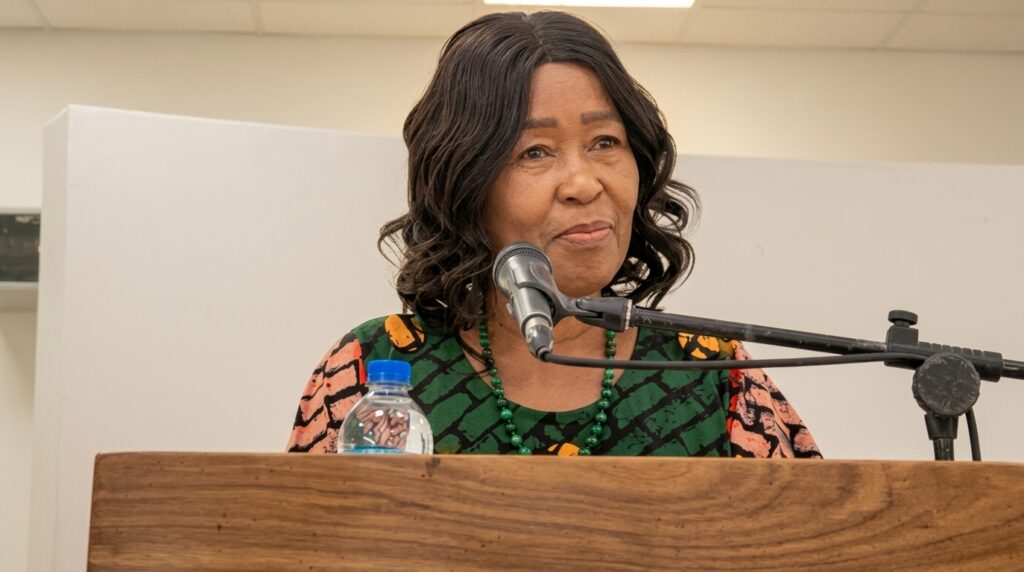
Minister Zaamwani: Inge Zaamwani Tsintsabis Farm Allotment Letters Issued
Summary
- On 12 September 2026, Minister Inge I. Zaamwani handed over land allotment letters in Tsintsabis.
- Beneficiaries received rights to parcels on Farm Tsintsabis No. 881 and Farm Urwald No. 1150.
- This event is a key step in Namibia's land reform and distribution policy, aimed at reallocating agricultural land.
- The Minister of Agriculture, Fisheries, Water and Land Reform oversees these allocations to create new Namibia land reform beneficiaries.
- These allocations have significant implications for property rights and future land transactions in the affected regions.
Key Land Allotments in Tsintsabis
Lawyers advising on property rights or land transactions in Namibia should note these specific farm allocations as they represent concrete steps in the country's land reform process, potentially impacting future land availability or ownership claims in the Tsintsabis and Urwald areas.
In a significant development for Namibia's ongoing land reform efforts, the Honourable Inge I. Zaamwani (MP), serving as the Minister of Agriculture, Fisheries, Water and Land Reform, officially distributed allotment letters to beneficiaries in Tsintsabis. This event, which took place on 12 September 2026, marked a concrete step in the government's commitment to land redistribution.
The formal ceremony saw the Minister personally hand over documents pertaining to the Inge Zaamwani Tsintsabis farm allotment. These crucial letters grant rights to specific parcels of land on Farm Tsintsabis No. 881 and Farm Urwald No. 1150. The occasion was facilitated by Mr Petrus C. Nangolo, who served as the Director of Ceremonies and Acting Executive Director, with Honourable Sacky Kathindi, the Governor, also in attendance, underscoring the importance of these allocations to the local community and the broader national agenda.
Context of Namibia's Land Reform Policy
The distribution of these Farm Urwald 1150 allotment letters and those for Farm Tsintsabis No. 881 is a direct manifestation of Namibia's long-standing land distribution policy. This policy aims to address historical imbalances in land ownership by reallocating agricultural land to previously disadvantaged citizens, transforming them into Namibia land reform beneficiaries. The Ministry of Agriculture, Fisheries, Water and Land Reform, under Minister Inge Zaamwani, plays a central role in executing these initiatives, which are fundamental to the nation's socio-economic development goals.
These allotment letters are more than just administrative documents; they represent a formal recognition of rights to land, enabling beneficiaries to commence agricultural activities and establish livelihoods. The Tsintsabis Farm 881 land allocation, alongside the Urwald distribution, highlights the government's strategy of identifying and preparing specific farm units for redistribution, ensuring that the process is structured and legally sound. Such events are critical indicators of the progress and challenges within the broader Namibia land distribution policy framework.
Implications for Property Rights and Transactions
The recent allocations in Tsintsabis carry significant implications for property rights and future land transactions within Namibia. For legal professionals advising on property matters or land deals in the region, these specific farm allocations represent tangible advancements in the country's land reform process. They could directly influence the availability of land for other purposes or impact existing ownership claims in the Tsintsabis and Urwald areas, necessitating careful due diligence.
This ongoing government activity in land redistribution, exemplified by the Inge Zaamwani Tsintsabis farm allotment, signals a dynamic landscape for property law in Namibia. Lawyers advising on property rights or land transactions in Namibia should note these specific farm allocations as they represent concrete steps in the country's land reform process, potentially impacting future land availability or ownership claims in the Tsintsabis and Urwald areas. This development signals ongoing government activity in land redistribution and could set precedents for similar cases, requiring a thorough understanding of the evolving legal framework surrounding land tenure and ownership.
Practical Implications
Lawyers advising on property rights or land transactions in Namibia should note these specific farm allocations as they represent concrete steps in the country's land reform process, potentially impacting future land availability or ownership claims in the Tsintsabis and Urwald areas. This development signals ongoing government activity in land redistribution and could set precedents for similar cases.
Source
How does this affect you?
Get an AI analysis of this article grounded in your jurisdictions, practice areas, and any policy documents you've uploaded to Wansom.
Finish Reading the Full Story and the Expert Analysis.
Get the latest legal & regulatory intelligence in Namibia
Wansom is AI and can make mistakes.