
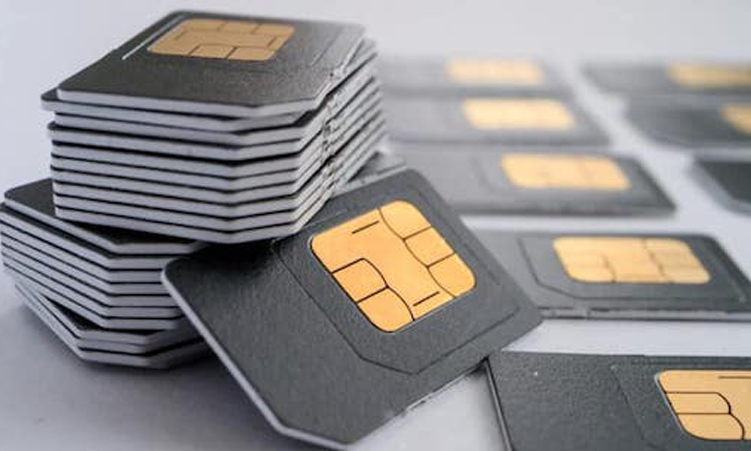
Namibian Police: Namibia SIM Card Scam Warning Issued Over Identity Theft
Summary
- Namibian Police have issued a warning about fraudsters using vulnerable people's identities to register SIM cards.
- These fraudulently registered SIM cards are then used to steal money from bank accounts.
- Criminals also use other people's phone numbers to lure victims with promises of cash rewards.
- Inspector Petrus Sakaria of the Namibian Police highlighted the growing concerns over these scams.
- The scams specifically target vulnerable villagers, exploiting their identities for illicit activities.
Namibian Police Issue SIM Card Scam Warning
The Namibian Police have issued a significant Namibia SIM card scam warning, alerting the public to a sophisticated fraud scheme.
The Namibian Police have issued a significant Namibia SIM card scam warning, alerting the public to a sophisticated fraud scheme. Criminals are actively exploiting the identities of vulnerable individuals, particularly those residing in rural villages, to register new SIM cards. These fraudulently obtained SIM cards then become instruments for a range of illicit activities, posing a serious threat to financial security and personal data.
Inspector Petrus Sakaria of the Namibian Police highlighted the growing concern surrounding these scams. The fraudulent activities extend beyond mere SIM card registration; perpetrators are using these cards to facilitate the theft of funds directly from victims' bank accounts. This method of operation underscores the urgent need for heightened vigilance among the populace and robust preventative measures from institutions.
Further compounding the issue, the criminals employ these illicitly registered phone numbers to ensnare new victims. They do so by luring individuals with deceptive promises of substantial cash rewards, effectively leveraging the stolen identities and phone numbers to perpetuate a wider web of fraud. This tactic demonstrates a calculated approach to mobile fraud Namibia, targeting unsuspecting individuals with enticing but false incentives.
Modus Operandi and Identity Theft Risks
The core of this criminal enterprise revolves around identity theft Namibia warning, where personal details of vulnerable persons are co-opted without their knowledge or consent. Once a SIM card is registered using a stolen identity, it grants fraudsters a degree of anonymity and a tool to execute various bank account scams Namibia. The use of another person's phone number adds a layer of deception, making it harder for victims to trace the origin of the fraudulent communications.
These schemes are particularly insidious because they target individuals who may be less aware of digital security risks or more susceptible to promises of financial gain. The stolen identities are not just used for SIM registration; they become a gateway for criminals to access or manipulate financial services, leading to direct monetary losses for victims. The police warning emphasizes the critical link between the initial act of identity theft and the subsequent financial exploitation.
The prevalence of these scams highlights a significant vulnerability within the system, where identity verification processes for SIM card registration may be exploited. This allows criminals to operate under false pretenses, making it challenging for law enforcement to track and apprehend them. The focus on vulnerable persons fraud Namibia underscores the ethical and societal implications of these criminal activities.
Compliance and Legal Imperatives
The ongoing Namibian police SIM fraud investigation and warning carry substantial implications for compliance officers across both the telecommunications and financial services sectors. There is an urgent need for these institutions to critically review and strengthen their Know Your Customer (KYC) and identity verification protocols. Robust procedures are essential to mitigate exposure to SIM-related identity theft and the subsequent financial fraud that stems from it.
Legal professionals are also advised to counsel their clients on enhancing data protection measures. The potential liabilities arising from such scams are considerable, particularly when vulnerable populations are targeted. Companies and individuals alike must understand their responsibilities in safeguarding personal information and the legal ramifications of failing to prevent identity misuse. The ease with which identities are being compromised for SIM registration points to systemic weaknesses that require immediate attention and regulatory reinforcement.
Addressing this challenge requires a multi-faceted approach, combining stricter regulatory oversight, improved technological solutions for identity verification, and widespread public awareness campaigns. The goal is not only to protect individual citizens from financial loss but also to maintain trust in the country's mobile communication networks and banking systems, which are foundational to economic stability.
Practical Implications
Compliance officers in telecommunications and financial services in Namibia should review their KYC and identity verification protocols to mitigate exposure to SIM-related identity theft and fraud. Lawyers should advise clients on enhanced data protection measures and potential liabilities arising from such scams, particularly concerning vulnerable populations.
Source
How does this affect you?
Get an AI analysis of this article grounded in your jurisdictions, practice areas, and any policy documents you've uploaded to Wansom.
Finish Reading the Full Story and the Expert Analysis.
Wansom is AI and can make mistakes.