
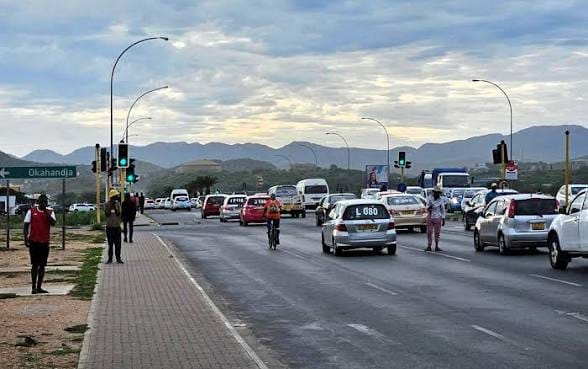
Germany: Withdraws N$200 Million Windhoek Mobility Grant
Summary
- The German government has withdrawn an N$200 million grant intended for Windhoek's sustainable urban mobility project.
- This funding was secured during government negotiations between Namibia and Germany in October 2021.
- The grant was meant to promote cleaner and more efficient public transport in Windhoek.
- The withdrawal represents a major blow to the city's plans for urban transport development.
- The funds were originally slated to be channeled through a German development bank.
Grant Withdrawal Impacts Windhoek Mobility
The decision by the German government to withdraw the Windhoek sustainable urban mobility funding highlights the dynamic nature of international development financing.
The German government has officially rescinded a substantial financial commitment previously allocated to Windhoek, Namibia. This withdrawal pertains to an estimated N$200 million grant, which was specifically designated for the city's sustainable urban mobility project. The decision marks a significant setback for Windhoek's strategic initiatives aimed at fostering cleaner and more efficient public transportation systems within its urban landscape.
This unexpected move by Germany effectively removes a critical funding source that was poised to underpin efforts to modernize and green the capital's transport infrastructure. The cancellation directly impedes the city's capacity to implement planned upgrades and expansions, which are essential for addressing growing urban challenges and improving the daily commute for its residents.
Origins of the N$200 Million Windhoek Transport Grant
The N$200 million Windhoek transport grant had been formally secured during bilateral government negotiations between Namibia and Germany. These discussions, which established the framework for this financial assistance, took place in October 2021. At that time, the agreement underscored Germany's commitment to supporting Windhoek's urban development objectives, particularly in the critical sector of sustainable transport.
It was initially planned that this considerable funding would be channeled through a German development bank, serving as the designated mechanism for the disbursement and oversight of the grant. This arrangement is a common practice in international development financing, where specialized institutions facilitate the flow of funds to ensure their effective utilization in recipient nations. The initial securing of this grant highlighted a period of robust bilateral cooperation focused on enhancing public infrastructure.
Consequences for Urban Development Plans
The Germany Namibia grant withdrawal represents a major blow to Windhoek's comprehensive plans for advancing sustainable urban mobility. The project was conceived to facilitate a transition towards more environmentally friendly and efficient public transport solutions, directly addressing key environmental and logistical pressures confronting the rapidly expanding city. Such initiatives are crucial for mitigating carbon emissions, alleviating traffic congestion, and ultimately enhancing the quality of urban life for its inhabitants.
Without this anticipated Windhoek sustainable urban mobility funding, the municipal government will likely encounter substantial obstacles in executing its envisioned upgrades and expansions to the public transport network. The financial void created by the grant's cancellation could necessitate a re-evaluation of project timelines, scope, or even the overall feasibility of certain components, potentially delaying the introduction of much-needed sustainable transport options for the city's population.
Broader Implications for Development Financing
The decision by the German government to withdraw the Windhoek sustainable urban mobility funding highlights the dynamic nature of international development financing. Grants of this magnitude, often facilitated through institutions like a German development bank, are typically subject to continuous review and can be influenced by various factors, including evolving bilateral priorities or project-specific assessments. This particular Germany Namibia grant withdrawal underscores the inherent risks associated with relying on external funding for large-scale public infrastructure projects.
For nations like Namibia, which frequently depend on international partnerships for significant capital investments, such cancellations can have far-reaching consequences beyond the immediate project. They may signal a need for enhanced due diligence in project financing agreements and more robust political risk assessments for future collaborations, particularly for entities involved in international development financing in Namibia.
Practical Implications
Lawyers advising on public infrastructure projects or international development financing in Namibia should note this withdrawal as a potential indicator of increased funding risk or shifting bilateral priorities, necessitating enhanced due diligence on project financing agreements and political risk assessments.
Source
How does this affect you?
Get an AI analysis of this article grounded in your jurisdictions, practice areas, and any policy documents you've uploaded to Wansom.
Finish Reading the Full Story and the Expert Analysis.
Wansom is AI and can make mistakes.