
Namibia Auditor-General: N$250m Child Grants Report Flags Over-Age Recipients
Summary
- The Namibia Auditor-General's 2024/25 report identified N$250 million in child welfare grants paid to children who were still in school but had passed the age of eligibility.
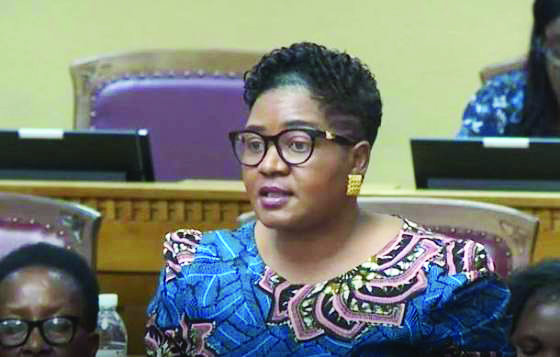
- Minister of Gender Equality, Poverty Eradication and Social Welfare, Emma Kantema, confirmed these payments, stating they were made under specific rules that included continued support for students.
- The N$250 million figure highlights significant public expenditure within Namibia's child welfare grant system.
- The report signals increased scrutiny on the disbursement practices of social welfare grants in Namibia.
- This situation emphasizes the importance of clear eligibility criteria and robust financial controls for government and NGO programs.
What Happened
The revelation of N$250 million in child grants being paid to individuals past the typical eligibility age, even if under specific rules, signals increased scrutiny on the disbursement of social welfare grants in Namibia.
A recent report by the Auditor-General for the 2024/25 financial year has brought to light the disbursement of N$250 million in child welfare grants to recipients who, while still attending school, had already exceeded the standard age of eligibility for such assistance. This finding, as reported by The Namibian, indicates a significant sum allocated under circumstances that warrant further examination.
Minister of Gender Equality, Poverty Eradication and Social Welfare, Emma Kantema, addressed the report's findings, confirming that the children in question did indeed receive the N$250 million. She clarified that these payments were made in accordance with specific regulations. These rules, according to Minister Kantema, included provisions for continued support to children who remained enrolled in educational institutions, even if they had passed the typical age cut-off for the grants. This explanation aims to contextualize the Auditor-General's observations regarding the eligibility of the beneficiaries.
Legal and Regulatory Context
The administration of Namibia's child welfare grants falls under the purview of the Ministry of Gender Equality, Poverty Eradication and Social Welfare, which is responsible for establishing and enforcing the eligibility criteria for these social welfare programs. The Auditor-General's report serves as a critical oversight mechanism, scrutinizing government expenditure to ensure compliance with established laws and regulations, as well as the efficient use of public funds. The identification of N$250 million disbursed to children past the usual eligibility age, despite being justified by specific rules, highlights the complex interplay between policy intent and practical implementation.
While Minister Kantema's statement points to existing 'specific rules' that permitted these payments, the Auditor-General's decision to flag this expenditure suggests a potential area for review concerning the clarity or public understanding of these extended eligibility criteria. Such reports often prompt a closer look at the frameworks governing social assistance, ensuring that the intent of supporting vulnerable children is met transparently and accountably. The focus on Namibia child welfare grants underscores the ongoing need for robust financial controls and clear guidelines within the social welfare sector.
Why It Matters
The revelation of N$250 million in child grants being paid to individuals past the typical eligibility age, even if under specific rules, signals increased scrutiny on the disbursement of social welfare grants in Namibia. This substantial sum represents a significant portion of public funds allocated to support the nation's youth, making the precise application of eligibility criteria paramount. The report from the Namibia Auditor-General for 2024/25, as highlighted by Minister Emma Kantema social welfare portfolio, emphasizes the importance of transparency and accountability in government spending.
For legal professionals advising government bodies or non-governmental organizations involved in child welfare programs, this situation underscores the necessity of a thorough review of existing eligibility criteria and financial controls. Ensuring strict compliance with all regulations and mitigating potential audit risks is crucial. The public and stakeholders expect that Namibia's child welfare grants are distributed equitably and according to well-defined, transparent guidelines, reinforcing the need for continuous evaluation and refinement of these vital social support systems.
Practical Implications
This report signals increased scrutiny on the disbursement of social welfare grants in Namibia. Lawyers advising government bodies or NGOs involved in child welfare programs should review eligibility criteria and financial controls to ensure compliance and mitigate audit risks.
Source
How does this affect you?
Get an AI analysis of this article grounded in your jurisdictions, practice areas, and any policy documents you've uploaded to Wansom.
Finish Reading the Full Story and the Expert Analysis.
Get the latest legal & regulatory intelligence in Namibia
Wansom is AI and can make mistakes.