
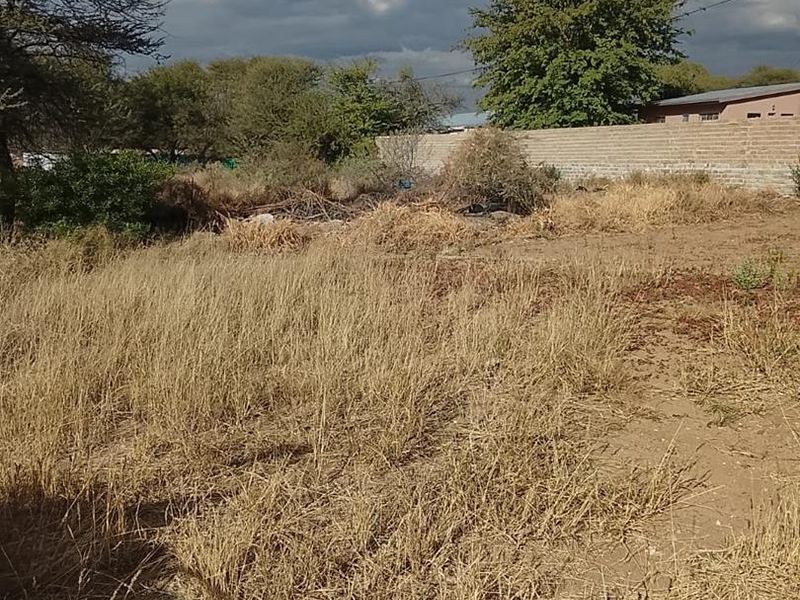
Okahandja Municipality: Plans Private Treaty Land Sale, Beefcor Deal
Summary
- The Okahandja Municipality intends to sell numerous residential and other properties to private buyers.
- A four-hectare land portion is designated for sale to Beefcor Meat Suppliers (Pty) Ltd for N$600,000.
- These land disposals will be conducted through private treaty, as stipulated by Section 63(2) and (3) of municipal law.
- An official public notice has been issued to announce these proposed municipal land sales.
Okahandja Municipality Initiates Private Treaty Land Sales
Lawyers advising on property transactions in Namibia must be acutely aware of the specific legal requirements and potential challenges inherent in this process.
The Okahandja Municipality has unveiled plans to divest a significant number of its land holdings, encompassing both residential and other property types, to private purchasers. This initiative signals a notable move in the local property market, with the municipal authority opting for a specific method of transaction for these disposals. Among the proposed transactions, a particularly significant deal involves Beefcor Meat Suppliers (Pty) Ltd, which is set to acquire a four-hectare parcel of land.
This particular acquisition by Beefcor Meat Suppliers in Okahandja is valued at N$600,000. The municipality's decision to proceed with these sales, including the substantial Beefcor transaction, will be executed through a private treaty mechanism. This approach, which deviates from public auctions, is explicitly sanctioned under specific provisions of local government legislation, namely Section 63(2) and (3). The public was informed of these impending sales via an official notice, confirming the municipality's intent to proceed with this Okahandja Municipality private treaty land sale strategy.
Legal Framework for Municipal Land Disposals
The legal foundation for the Okahandja Municipality's proposed land sales rests firmly on Section 63(2) and (3) of the relevant municipal legislation governing Namibia municipal land disposal law. These sections empower local authorities to dispose of municipal property through means other than public auction, specifically allowing for private treaty property acquisition Namibia. A private treaty sale involves direct negotiation between the municipality and a prospective buyer, as opposed to a competitive bidding process open to the general public. This method can be utilized for various reasons, often to facilitate specific development objectives or to accommodate particular purchasers.
The Okahandja erven sale procedure under these sections typically requires certain procedural steps, even when bypassing an open tender. While the exact details of the process are not fully disclosed in the public notice, the invocation of Section 63(2) and (3) implies adherence to specific statutory requirements for transparency and approval, despite the direct negotiation aspect. The public notice itself serves as a crucial element of this process, informing stakeholders and potentially allowing for objections or scrutiny of the proposed transactions. Understanding the nuances of Section 63(2) (3) municipal land Namibia is therefore critical for any party involved in or affected by these municipal land disposals.
Implications for Property Transactions in Okahandja
The reliance on private treaty sales by the Okahandja Municipality carries significant implications for the local property market and for legal professionals advising clients on land acquisitions. This method, as applied to the sale of numerous erven and a substantial four-hectare plot to Beefcor Meat Suppliers, shapes the landscape of property transactions within the town. For potential buyers, it means that opportunities for acquiring municipal land may arise through direct engagement rather than through widely advertised public tenders, necessitating a different approach to identifying and pursuing such opportunities.
From a legal perspective, the use of Section 63(2) and (3) for the Okahandja Municipality private treaty land sale underscores the importance of diligent legal counsel. Lawyers advising on property transactions in Namibia must be acutely aware of the specific legal requirements and potential challenges inherent in this process. The absence of a public auction can sometimes raise questions regarding valuation and fairness, making it imperative for all parties to ensure strict compliance with the statutory provisions. The public notice, while fulfilling a legal requirement, also serves as an invitation for public oversight, which can influence the progression of these private treaty agreements.
Practical Implications
Lawyers advising on property transactions in Namibia should be aware of the Okahandja Municipality's use of private treaty sales under Section 63(2) and (3), as this process dictates the legal requirements and potential challenges for clients acquiring or contesting municipal land.
Source
How does this affect you?
Get an AI analysis of this article grounded in your jurisdictions, practice areas, and any policy documents you've uploaded to Wansom.
Finish Reading the Full Story and the Expert Analysis.
Get the latest legal & regulatory intelligence in Namibia
Wansom is AI and can make mistakes.