
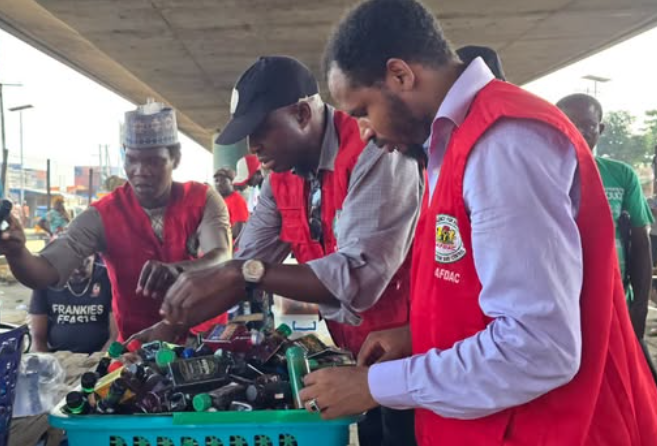
NAFDAC: Issues Sachet Alcohol Recall Order for Under-200ml Drinks
Summary
- NAFDAC has mandated a recall for all sachet alcoholic beverages packaged in volumes under 200 milliliters.
- The directive applies to manufacturers, distributors, and all other businesses involved in the trade of these products.
- NAFDAC has warned that non-compliance with this recall order will result in regulatory sanctions.
Immediate Recall Mandate for Sachet Alcohol
Any manufacturer, distributor, or other business found to be in violation of this NAFDAC sachet alcohol recall order faces the prospect of significant regulatory sanctions.
The National Agency for Food and Drug Administration and Control (NAFDAC) has issued a significant and far-reaching directive impacting the alcoholic beverage industry in Nigeria. This regulatory body has formally ordered a comprehensive product recall NAFDAC for all sachet alcoholic beverages that are packaged in volumes below 200 milliliters. This NAFDAC sachet alcohol recall order represents a decisive move to remove these specific product formats from the market.
The instruction is unambiguous, requiring immediate action from all stakeholders involved in the production, distribution, and sale of these small volume alcohol products across the country. The agency's mandate is designed to ensure that these particular items are systematically withdrawn from all points of sale and supply chains, reflecting a focused effort under the broader Nigeria alcohol regulation framework.
Broad Scope of Compliance and Affected Parties
The scope of this NAFDAC compliance directive is notably broad, encompassing a wide array of entities within the industry. Specifically, the agency has issued warnings to manufacturers who are responsible for the production of these sachet alcoholic beverages. Beyond the producers, the directive also targets distributors, who play a crucial role in the logistics and supply chain, ensuring products reach various retail outlets.
Furthermore, the warning extends to "other businesses," a category that broadly includes retailers, wholesalers, and any other commercial entity involved in the trade or handling of these under-200ml sachet alcohol drinks. This comprehensive approach underscores NAFDAC's intention to achieve widespread adherence and ensure that no part of the supply chain remains unaffected by the recall. All implicated parties are therefore expected to identify and remove the specified products from their inventories and sales points without delay.
Consequences of Non-Adherence to Regulatory Order
NAFDAC has underscored the gravity of its directive by issuing a clear warning regarding the repercussions for non-compliance. Any manufacturer, distributor, or other business found to be in violation of this NAFDAC sachet alcohol recall order faces the prospect of significant regulatory sanctions. The agency has explicitly stated that failure to adhere to the directive will not be overlooked, indicating a firm stance on enforcement.
These potential regulatory sanctions are designed to ensure that the recall is executed effectively and that the integrity of the Nigeria alcohol regulation framework is upheld. The warning serves as a critical reminder to all stakeholders that disregarding official regulatory mandates carries serious implications, potentially leading to legal and administrative actions against offending parties. Adherence is therefore paramount to avoid punitive measures from the regulatory authority.
Practical Implications
Lawyers advising clients in Nigeria's alcohol industry must immediately assess compliance with NAFDAC's recall order for sachet drinks under 200ml to mitigate regulatory sanctions and ensure product withdrawal from the market. Compliance officers need to review inventory and distribution channels to prevent violations.
Source
How does this affect you?
Get an AI analysis of this article grounded in your jurisdictions, practice areas, and any policy documents you've uploaded to Wansom.
Finish Reading the Full Story and the Expert Analysis.
Wansom is AI and can make mistakes.