
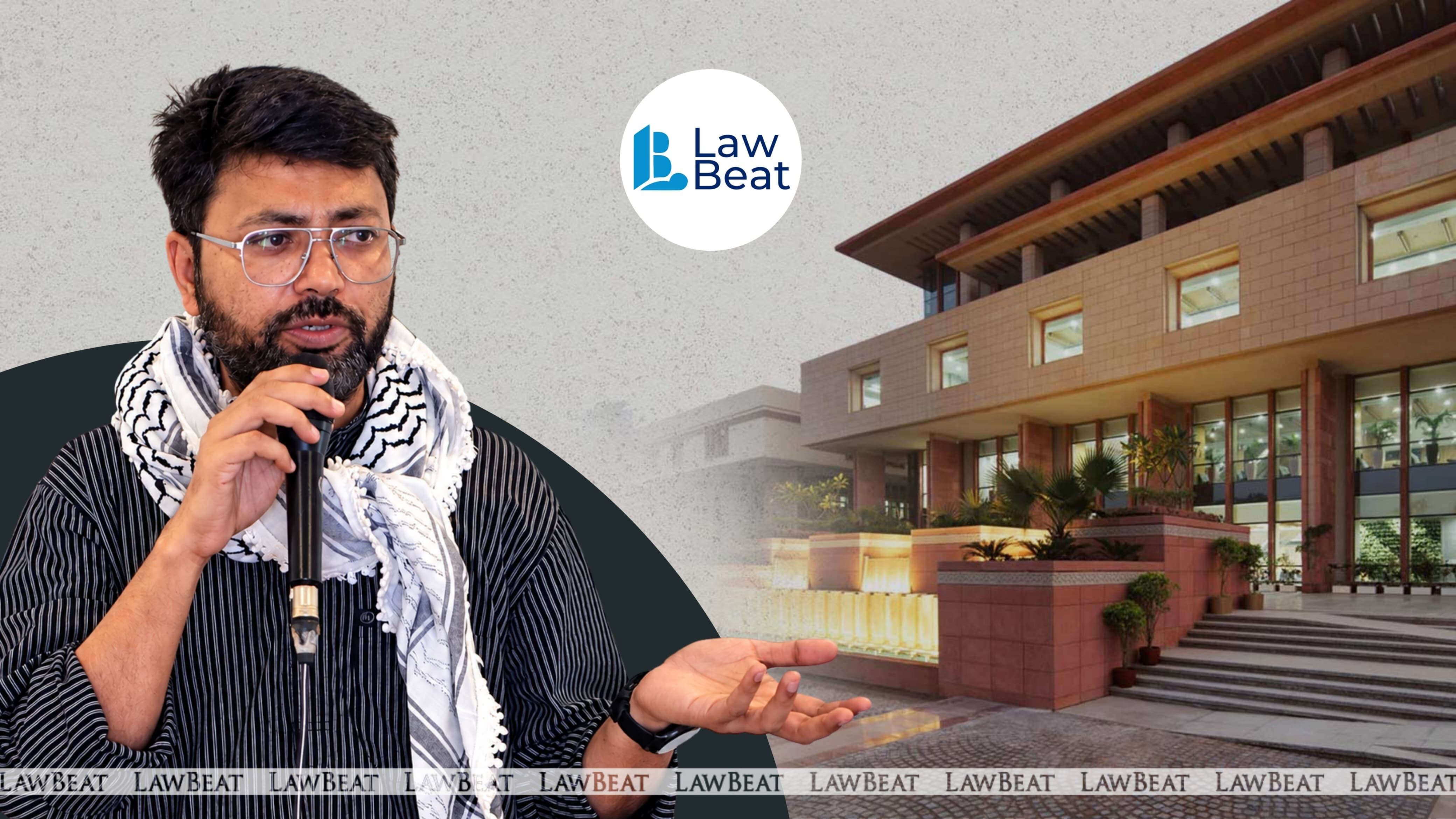
Delhi High Court: Orders Nadeem Khan Delhi Police Inquiry
Summary
- Nadeem Khan, National Secretary of APCR, petitioned the Delhi High Court alleging police restricted his movement before a Jantar Mantar protest.
- The Delhi Police informed the court that officers only visited Khan's residence for inquiries and he is not currently under movement restrictions.
- The High Court issued notice to the Delhi Police, questioning their entry into Khan's home and directing a response within two weeks.
- Khan's plea invoked fundamental rights under Articles 14, 19, and 21 of the Indian Constitution.
- The police assured the court they would not make further phone calls to Khan.
What Happened
The High Court specifically questioned the circumstances under which police personnel allegedly entered Khan's private residence, emphasizing the importance of adherence to due process.
Nadeem Khan, who serves as the National Secretary for the Association for Protection of Civil Rights (APCR) and is a founder of the United Against Hate initiative, recently approached the Delhi High Court with serious allegations against the Delhi Police. Khan's petition claims that on September 29, police personnel restricted his movement and prevented him from leaving his residence. These alleged actions occurred in the lead-up to a planned protest at Jantar Mantar, with Khan also expressing apprehension about further restrictions on his movement concerning protests scheduled for October 10 in the national capital.
In response to these accusations, the Delhi Police presented their version of events before the High Court. Counsel for the police stated that officers had merely visited Khan's residence to conduct inquiries. They asserted that these inquiries were based on information suggesting Khan might proceed to participate in the proposed protest, despite official permission for the event being denied. The police counsel further clarified that Khan was not detained and currently faces no restrictions on his movement.
The Delhi High Court, comprising Acting Chief Justice Nitin Sambre and Justice Sanjay Sharma, took cognizance of the matter. Following the initial submissions, the court proceeded to issue a formal notice to the Delhi Police, signaling its intent to delve deeper into the allegations. This action sets the stage for a more detailed examination of the police's conduct and Khan's claims.
Legal Context and Judicial Scrutiny
Khan's petition to the Delhi High Court is grounded in fundamental constitutional rights, specifically invoking Articles 14, 19, and 21 of the Indian Constitution. These articles pertain to equality before the law, freedom of speech and expression, and protection of life and personal liberty, respectively. The core of his challenge lies in the alleged infringement of these rights through what he describes as detention, surveillance, and movement restrictions imposed by the police.
During the hearing, the High Court expressed significant concern regarding the police's alleged actions, particularly questioning the circumstances under which officers entered Khan's private residence. The bench explicitly asked, "How can you enter the house of this man?", underscoring the judiciary's role in scrutinizing police powers and ensuring adherence to legal protocols. While acknowledging the police's right to perform their duties, the court sought clarification on the manner of entry, suggesting a potential overreach or lack of due process.
The factual accounts presented by both sides diverged sharply. While the Delhi Police maintained that their officers were solely present to make inquiries, Khan's counsel, advocate Shahrukh Alam, countered this by asserting that police personnel remained at the premises for several hours. This discrepancy highlights a key point of contention that the court will need to address. The court also noted that authorities should ensure there is no violation of the Supreme Court’s order passed in contempt proceedings, reinforcing the expectation for law enforcement to operate within established legal boundaries.
Court's Directives and Police Assurances
Despite the Delhi Police's counsel requesting time to file a status report instead of a formal notice, the High Court decided to issue the notice to the respondents. The court observed that since an advance copy of the petition had already been provided to the police, they should have been prepared with their response and a status report. This decision indicated the court's expectation for prompt and prepared responses from state authorities when facing such allegations. The court subsequently directed the respondents' counsel to place their comprehensive response on record within a two-week timeframe.
Beyond the primary allegations, a subsidiary issue arose concerning repeated phone calls from the police to Nadeem Khan. Although Khan's counsel confirmed that no interim prayer had been formally made for relief against such calls, the court sought the Delhi Police’s response to this oral submission. In a significant development, the counsel for the police, with the Station House Officer (SHO) of the concerned police station present in court, provided an assurance that the police would cease making further calls to the petitioner.
The court also took note of the current situation, observing that Nadeem Khan was presently in Kolkata for personal reasons and that there were no existing restrictions on his movement. This observation, while acknowledging the immediate lack of restriction, does not negate the need for the police to formally address the past allegations and the broader implications of their actions as raised in the petition. The ongoing inquiry by the Delhi High Court into the police's conduct underscores the judiciary's commitment to upholding civil liberties and ensuring accountability.
Practical Implications
Lawyers advising individuals or activists facing police inquiries should note the Delhi High Court's scrutiny of police actions, particularly regarding entry into private residences for 'inquiries' and alleged movement restrictions without formal detention. This case reinforces the importance of challenging potential infringements on fundamental rights under Articles 14, 19, and 21, and highlights the court's expectation for police to adhere to due process and provide formal responses to such allegations.
Source
How does this affect you?
Get an AI analysis of this article grounded in your jurisdictions, practice areas, and any policy documents you've uploaded to Wansom.
Finish Reading the Full Story and the Expert Analysis.
Get the latest legal & regulatory intelligence in India
Wansom is AI and can make mistakes.