
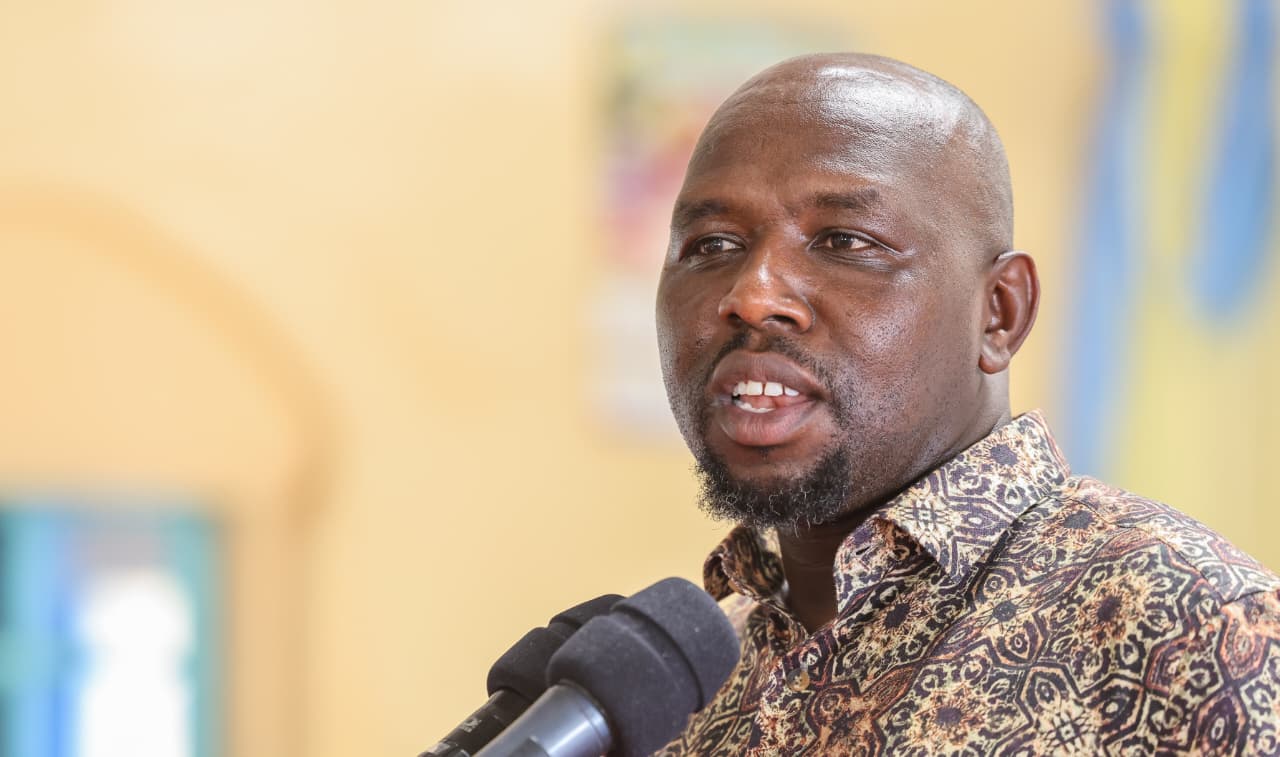
Murkomen: Kenya Commends Shakahola Extremism Convictions
Summary
- Kipchumba Murkomen, Cabinet Secretary for Interior, commended the ODPP and Judiciary.
- The commendation was for successful prosecutions and convictions related to the Shakahola Massacre.
- Murkomen affirmed the government's intensified efforts to combat extremism in Kenya.
- These actions highlight a robust governmental approach to addressing radical ideologies.
Government Lauds Anti-Extremism Successes
The Cabinet Secretary's remarks signal a clear and unwavering commitment from the highest echelons of government to ensure justice for the victims and to establish robust deterrents against future acts of extremism.
Kipchumba Murkomen, the Cabinet Secretary for Interior and National Administration, recently issued a strong commendation for the collaborative efforts of various state entities in Kenya. His praise was specifically directed at the multi-agency team, which operated under the guidance of the Office of the Director of Public Prosecutions (ODPP), as well as the Judiciary. This recognition was for their successful prosecution and subsequent convictions of those individuals deemed responsible for the horrific Shakahola Massacre.
Murkomen's statement underscores a resolute governmental stance against extremist ideologies and actions within the nation. He articulated that these successful legal outcomes represent a pivotal achievement in Kenya's ongoing struggle to protect its populace from such profound threats. The Cabinet Secretary's remarks signal a clear and unwavering commitment from the highest echelons of government to ensure justice for the victims and to establish robust deterrents against future acts of extremism. This public acknowledgment reinforces the state's determination to uphold law and order in the face of radicalization.
Judicial Accountability in the Shakahola Case
The successful conclusion of legal proceedings related to the Shakahola Massacre marks a significant moment in Kenya's judicial landscape. The Office of the Director of Public Prosecutions played a central role, leading a diverse array of agencies through the intricate phases of investigation and prosecution. This coordinated effort was crucial in gathering evidence and building cases against those implicated in the atrocities, ultimately leading to their convictions under Kenyan law.
The Judiciary's meticulous handling of the evidence presented and its subsequent delivery of verdicts were equally vital, ensuring that due process was followed and that justice was demonstrably served for the victims and their grieving families. These "Shakahola convictions" are more than just individual legal triumphs; they stand as a powerful affirmation of the state's capability to confront and address profound societal challenges through its established legal and judicial frameworks. The broader "Mackenzie prosecution Kenya" is implicitly encompassed within this concerted effort to hold all perpetrators accountable for their roles in the tragic events.
Intensified National Campaign Against Extremism
Beyond the specific legal outcomes of the Shakahola cases, Cabinet Secretary Murkomen's declaration signals a broader, strategic shift in national policy: the government is actively intensifying its comprehensive efforts to combat extremism across the entire nation. This commitment suggests a multifaceted approach that extends beyond individual prosecutions to include proactive preventative measures and heightened vigilance against any groups perceived as promoting radical or harmful ideologies.
This renewed focus on "Kenya anti-extremism government efforts" carries significant implications, suggesting a likely increase in regulatory oversight and more stringent enforcement actions. Various organizations, particularly those operating with religious or social mandates, may anticipate enhanced scrutiny to ensure their full compliance with national laws and to prevent any potential proliferation of doctrines that could lead to radicalization or violence. The government's resolve, significantly strengthened by the critical lessons learned from the "ODPP Shakahola massacre" and the subsequent "Judiciary Shakahola convictions," is aimed at fortifying national security, protecting public welfare, and eradicating the roots of extremism within Kenyan society.
Practical Implications
Lawyers should anticipate heightened government scrutiny and enforcement actions against groups perceived as extremist, potentially impacting religious organizations, non-profits, and public assembly regulations in Kenya. Advise clients to review compliance with relevant laws and be prepared for increased regulatory oversight to mitigate risks.
Source
How does this affect you?
Get an AI analysis of this article grounded in your jurisdictions, practice areas, and any policy documents you've uploaded to Wansom.
Finish Reading the Full Story and the Expert Analysis.
Get the latest legal & regulatory intelligence in Kenya
Wansom is AI and can make mistakes.