
Ruto Administration Chiefs Campaign Legality: Kenya Public Officers Face Scrutiny
Summary
- President William Ruto's administration is reportedly mobilizing chiefs and their assistants for grassroots political campaigns.
- These public officers are being directed to lead campaign efforts at public gatherings.
- The move is seen as part of the strategy for President Ruto's re-election in 2027.
- Concerns are being raised about the constitutional implications of public officers participating in political campaigns, potentially disregarding neutrality principles.
Administration Directs Public Officers to Campaign
The potential for such actions to compromise the political neutrality of Kenya public officers poses a serious threat to democratic principles and the overall credibility of the electoral process, raising concerns about the future of free and fair elections.
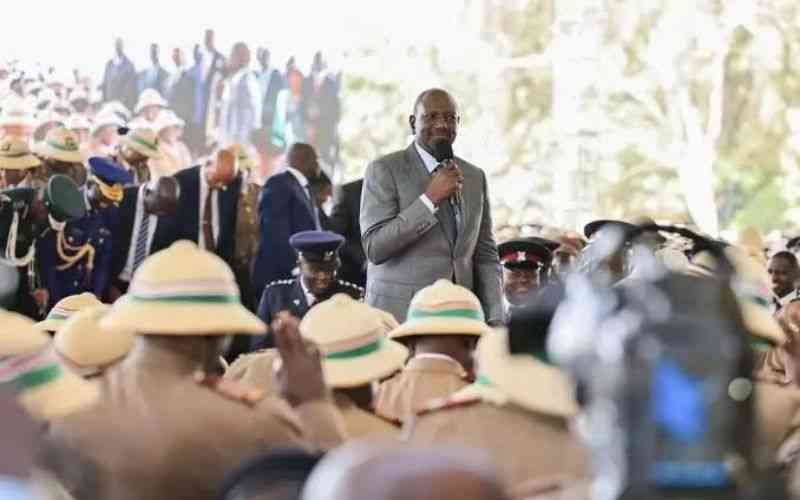
The administration of President William Ruto is reportedly initiating a strategy to leverage local administrative structures for political campaigning, specifically targeting his re-election bid in 2027. This directive involves compelling chiefs and their assistants, who are public officers, to actively lead grassroots campaign efforts. These activities are slated to occur during public gatherings, effectively transforming local administrative meetings or community events into platforms for political mobilization across various regions. This approach signifies a direct and assertive move by the UDA administration to consolidate support from the ground up.
This reported directive by the UDA administration signals a direct engagement of government officials in partisan political activities, aiming to build support from the ground up. By utilizing the established hierarchy and influence of local administrators, the objective is to bolster President Ruto's prospects for a second term. The reported compulsion of these public servants to participate in such campaigns raises significant questions regarding their professional autonomy, the boundaries between civil service duties, and partisan political advocacy, potentially blurring lines that are typically kept distinct in a democratic framework.
Constitutional and Legal Concerns
The reported involvement of chiefs and their assistants in political campaigns immediately brings into focus the constitutional provisions governing the conduct of public officers in Kenya. The Constitution generally mandates political neutrality for public servants, ensuring that state resources and personnel are not used to favor any political party or candidate. The current directive, however, suggests a potential disregard for these foundational principles, as the administration appears poised to proceed with its plan even if it conflicts with constitutional safeguards designed to protect the impartiality of the civil service. This situation highlights a critical tension between political ambition and legal adherence.
Such actions could be interpreted as a direct breach of electoral laws and civil service regulations, which are specifically designed to uphold the integrity of the electoral process. The principle of political neutrality is crucial for maintaining public trust in government institutions and ensuring a level playing field for all political actors. Compelling public officers to campaign for the incumbent administration could fundamentally undermine these tenets, creating an uneven electoral landscape ahead of the 2027 general election and potentially setting a problematic precedent for future political contests.
Implications for Electoral Integrity
The strategy to involve chiefs and their assistants in the William Ruto 2027 campaign strategy carries significant implications for the integrity of future elections in Kenya. When public officers, who are meant to serve all citizens impartially, are directed to engage in partisan political activities, it can severely erode public confidence in the fairness and impartiality of the electoral system. This direct involvement of government administrators in UDA campaigns could be perceived as an abuse of state power and resources for political gain, potentially distorting the democratic process.
Furthermore, the legality of the Ruto administration chiefs campaign activities is likely to face intense scrutiny and potential legal challenges. Should these public officers be seen as actively campaigning, it could lead to disputes regarding the validity of election outcomes and the appropriate conduct of public servants under electoral laws Kenya public servants must adhere to. The potential for such actions to compromise the political neutrality of Kenya public officers poses a serious threat to democratic principles and the overall credibility of the electoral process, raising concerns about the future of free and fair elections.
Practical Implications
This development signals a potential breach of constitutional provisions regarding the political neutrality of public officers in Kenya. Lawyers should advise public officers on the legal risks of participating in political campaigns, and political parties on the legality of compelling such participation, particularly concerning electoral integrity and potential challenges.
Source
How does this affect you?
Get an AI analysis of this article grounded in your jurisdictions, practice areas, and any policy documents you've uploaded to Wansom.
Wansom is AI and can make mistakes.