
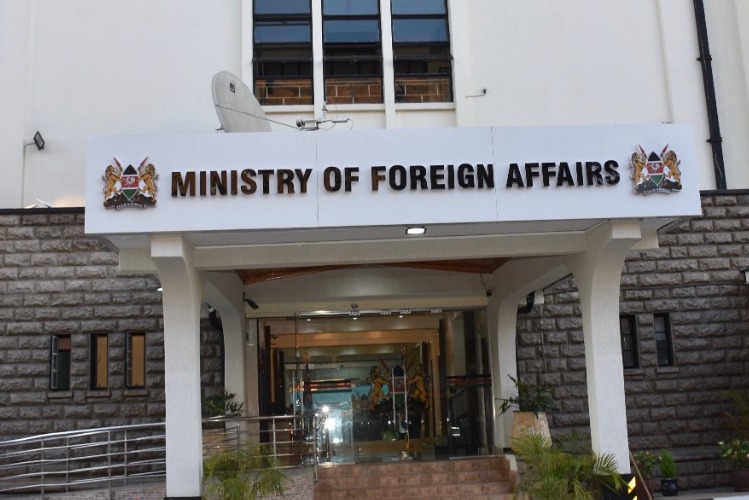
Kenya Challenges Saudi Ebola Restrictions Over Disproportionate Travel Ban
Summary
- Kenya has urged Saudi Arabia to reconsider its suspension of travel and visa issuance for Kenyan citizens.
- The Kenyan government argues that the Saudi restrictions are disproportionate, lack scientific evidence, and disrupt bilateral ties.
- Kenya cites the World Health Organization's assessment that its Ebola outbreak is contained and advises against travel restrictions.
- Nairobi has requested Saudi Arabia justify its measures under Regulation 43 of the International Health Regulations (2005).
- Kenya plans to raise the issue with the Africa CDC, warning against discriminatory treatment of African nations.
Diplomatic Standoff Over Travel Bans
Kenya has issued a stern warning that such measures, when not grounded in robust scientific evidence, could be perceived as discriminatory treatment targeting African countries.
Kenya has formally requested that Saudi Arabia re-evaluate its decision to suspend travel and visa issuance for Kenyan citizens. In a diplomatic communication addressed to the Saudi Ministry of Foreign Affairs, Nairobi articulated its concern that these restrictions could severely impede various critical exchanges between the two nations, including religious pilgrimages, employment opportunities, educational pursuits, and bilateral trade. The Kenyan Ministry of Foreign and Diaspora Affairs emphasized that the nation has successfully brought its recent Ebola outbreak under control.
The ministry further clarified that all nine confirmed cases of the disease were confined to a single cluster, directly linked to an imported case first identified on October 6, 2026. While acknowledging Saudi Arabia's sovereign right to implement health protocols to safeguard its populace, Kenya contended that the measures imposed against its citizens are disproportionate and lack substantiation from scientific health evidence. The government characterized Saudi Arabia's move to halt visas and prohibit entry for individuals who had been in Kenya within the preceding 21 days as an overly broad action, exceeding what the current public health situation necessitates.
Invoking International Health Regulations
Central to Kenya's argument is the guidance provided by the World Health Organization (WHO), which has assessed Kenya's handling of the Ebola outbreak as professional, diligent, and transparent, subsequently advising against the imposition of any travel or trade restrictions. The WHO has also determined that the risk of Ebola transmission outside the Democratic Republic of Congo and its immediate neighbors remains low. In light of this, Kenya has formally requested that Saudi Arabia furnish the WHO with a justification for its restrictions, specifically citing Regulation 43 of the International Health Regulations (2005).
This particular regulation mandates that any country implementing public health measures that significantly impede international traffic must provide a public health rationale for such actions within 48 hours. Kenya maintains that Saudi Arabia's blanket measures fall under this category and therefore require explicit scientific backing, which Nairobi believes is currently absent. This invocation of the International Health Regulations (2005) underscores the legal framework governing international public health responses and the obligations of member states as Kenya challenges Saudi Ebola restrictions.
Addressing Potential Discrimination
Beyond the immediate diplomatic challenge, Kenya has signaled its intention to escalate the matter to the Africa Centres for Disease Control and Prevention (Africa CDC). This move aims to foster collaboration with other African nations that may be similarly affected by scientifically unsupported travel restrictions. Kenya has issued a stern warning that such measures, when not grounded in robust scientific evidence, could be perceived as discriminatory treatment targeting African countries.
The Kenyan government has reiterated its readiness to offer the Saudi Public Health Authority a comprehensive technical briefing on the prevailing Ebola outbreak Kenya containment situation within its borders. This offer highlights Kenya's commitment to transparency and its belief that a detailed, evidence-based discussion would demonstrate the contained nature of the outbreak and the lack of justification for the current Kenya Saudi visa suspension and travel prohibitions.
Practical Implications
Lawyers advising clients on international travel, trade, or immigration between Kenya and Saudi Arabia should be aware of the ongoing diplomatic efforts to challenge the travel restrictions, particularly regarding the invocation of International Health Regulations (2005) and WHO guidance on disproportionate public health measures. This case highlights the legal framework for challenging such bans and the potential for discriminatory treatment of African countries, which could set a precedent for future public health-related travel policies.
Source
How does this affect you?
Get an AI analysis of this article grounded in your jurisdictions, practice areas, and any policy documents you've uploaded to Wansom.
Finish Reading the Full Story and the Expert Analysis.
Wansom is AI and can make mistakes.