
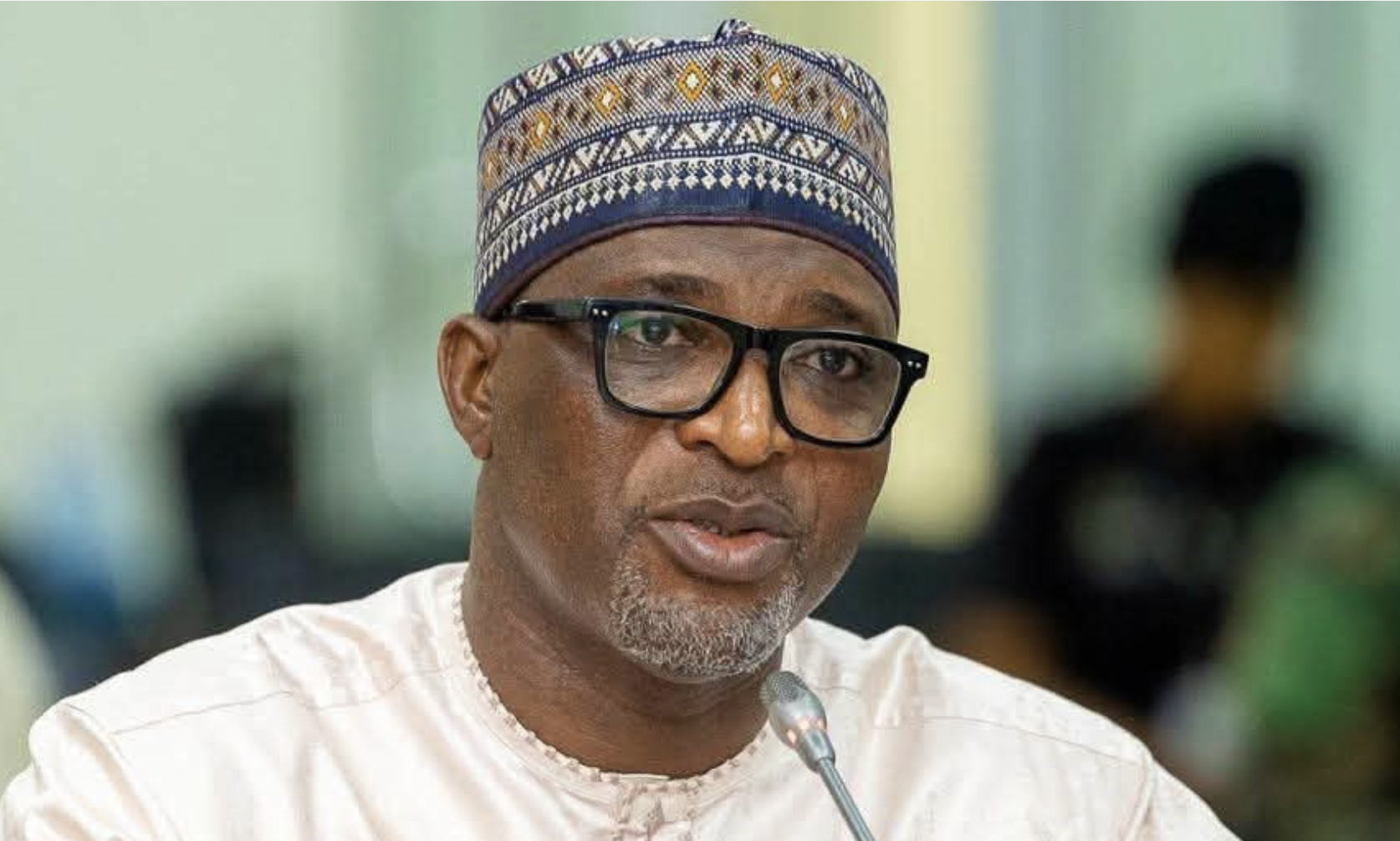
Muntaka Ghana: Mandatory Drug Tests For Public Sector Proposed
Summary
- Ghana's Minister for the Interior, Mohammed Mubarak Muntaka, is proposing mandatory drug testing for all future public sector recruits.
- This proposal follows a recent security services recruitment exercise where over 6,000 applicants were disqualified due to drug use or mental health issues.
- More than 4,000 applicants tested positive for various drugs, while approximately 2,000 were disqualified on mental health grounds.
- The Ministry of the Interior plans to submit an Information Paper to Cabinet outlining this new Ghana public service drug screening policy.
- Minister Muntaka also expressed concern over rising drug use among secondary school students, urging stricter supervision.
Ghana Considers Mandatory Drug Screening for Public Service
The Ministry of the Interior is preparing an Information Paper for Cabinet to formalize this proposed policy, which aims to ensure that all individuals entering public service undergo mandatory drug testing.
Ghana's government is contemplating a significant policy shift that would introduce mandatory drug testing for all prospective public sector employees. This proposal comes from Mohammed Mubarak Muntaka, the Minister for the Interior, who revealed that his Ministry is actively preparing an Information Paper for Cabinet outlining the new requirements. The initiative is a direct response to alarming findings from a recent recruitment drive for the security services, which exposed concerning levels of substance abuse among applicants.
During this year's security services recruitment exercise, over 100,000 individuals underwent comprehensive medical examinations. Crucially, unlike previous recruitment cycles, these screenings incorporated both drug testing and mental health assessments alongside traditional physical and laboratory checks. The expanded evaluation led to the disqualification of more than 6,000 applicants, a figure that underscored the severity of the issues identified.
Specifically, the Minister reported that over 4,000 applicants tested positive for various illicit drugs, while approximately 2,000 others were deemed unsuitable for service due to mental health challenges. These results, described by the Minister as "shocking," highlighted a potential vulnerability within the public service recruitment process that the proposed policy aims to address proactively.
Driving Factors Behind the Proposal
The impetus behind this proposed Ghana public service drug screening policy is to prevent individuals with drug-related issues from entering sensitive public service roles. Minister Muntaka emphasized that the government cannot responsibly recruit and train personnel for critical duties if they are known to be abusing drugs. The Ministry of the Interior is preparing an Information Paper for Cabinet to formalize this proposed policy, which aims to ensure that all individuals entering public service undergo mandatory drug testing.
Furthermore, the Minister acknowledged that the problem of drug use is not confined solely to new applicants. He indicated that some existing personnel within the security services are also grappling with drug-related problems, and steps are being taken to provide them with support. This broader context underscores the government's commitment to maintaining a fit, disciplined, and prepared workforce, particularly in sectors vital for public safety and national security.
The Mohammed Mubarak Muntaka drug testing proposal seeks to establish a more rigorous screening process, ensuring that only individuals free from drug dependency are entrusted with public responsibilities. This move is seen as essential for upholding the integrity and effectiveness of the Ghana civil service pre-employment drug tests, particularly given the sensitive nature of many government positions.
Addressing Widespread Drug Concerns
Beyond the immediate scope of public sector recruitment, Minister Muntaka also voiced significant concern regarding the escalating issue of drug use within secondary schools across Ghana. He highlighted that students are increasingly becoming involved in the distribution of various substances, including tramadol, which poses a serious threat to youth development and public health.
In light of these observations, the Minister urged school authorities to intensify their supervisory efforts and pay closer attention to the activities occurring within educational institutions. This call for heightened vigilance reflects a broader governmental concern about the societal impact of drug abuse, extending beyond the workforce to the foundational levels of the community. The proposed Ministry of Interior Ghana recruitment policy is thus part of a larger strategy to combat drug-related challenges at multiple levels.
The government's firm stance is that it will not knowingly allow new recruits who are abusing drugs to undergo training for sensitive public-sector responsibilities. This principle underpins the entire initiative, aiming to safeguard the public service from individuals whose judgment or reliability might be compromised by substance abuse.
Practical Implications
Lawyers advising public sector entities or private companies involved in public sector recruitment in Ghana should monitor the progress of this proposed policy. If enacted, it will necessitate a review of recruitment processes and HR policies to incorporate mandatory drug testing requirements, potentially impacting hiring practices and compliance obligations.
Source
How does this affect you?
Get an AI analysis of this article grounded in your jurisdictions, practice areas, and any policy documents you've uploaded to Wansom.
Finish Reading the Full Story and the Expert Analysis.
Wansom is AI and can make mistakes.