
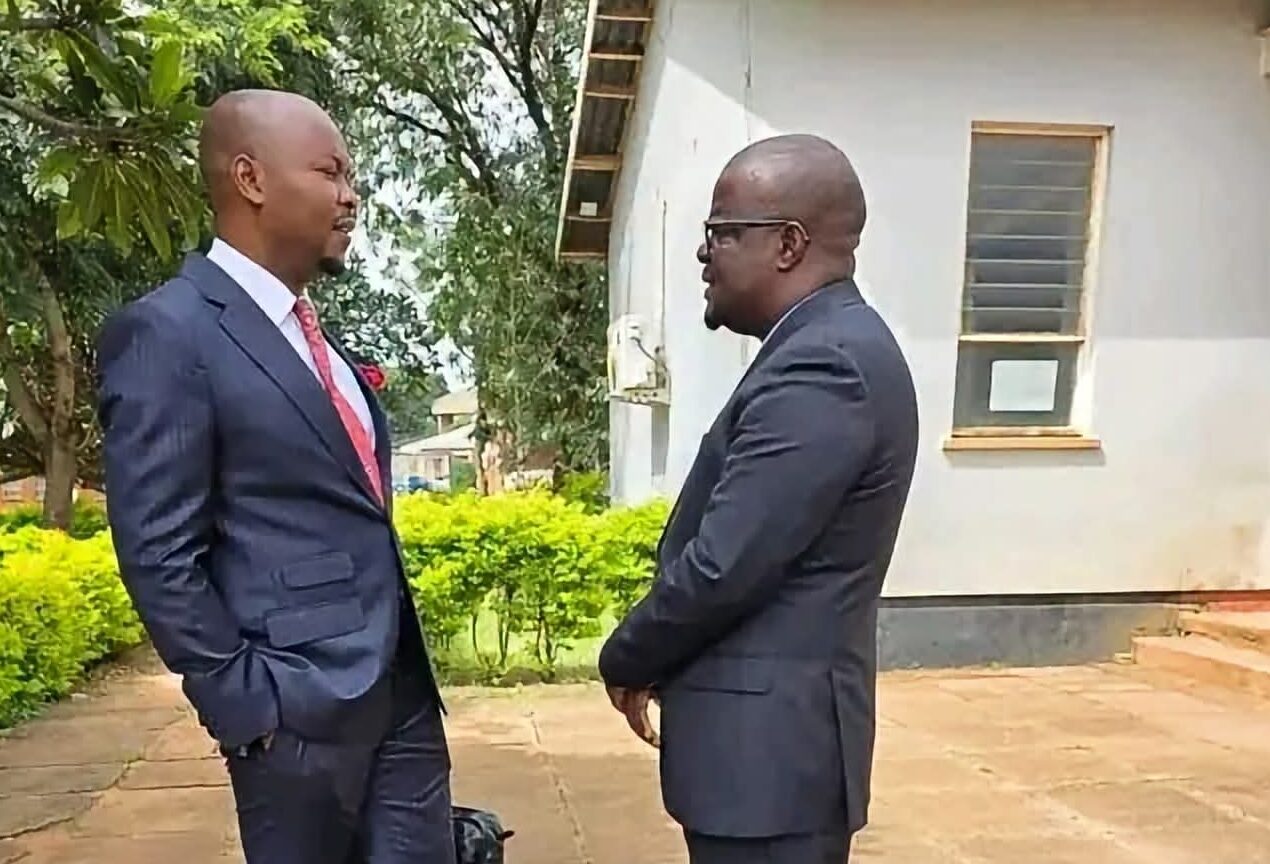
Lilongwe Court: Mumba Prosecution Stay on Section 60 Challenge Referred
Summary
- The Lilongwe Senior Resident Magistrate’s Court has temporarily halted criminal proceedings against Engineer Vitumbiko Mumba.
- This stay is pending a constitutional challenge to Section 60 of the Malawi Penal Code, which addresses false statements.
- Senior Resident Magistrate Bracious Kondowe referred the constitutional question to the Chief Justice on November 23, 2026.
- The Chief Justice will establish a panel to determine the constitutionality of the false-statement law.
- The outcome of this challenge will significantly influence the future enforceability of false-statement provisions in Malawi.
Judicial Intervention in Mumba Proceedings
Lawyers and legal practitioners should closely monitor the constitutional challenge to Section 60 of Malawi's Penal Code, as its outcome will determine the future enforceability of false-statement provisions and could significantly impact ongoing or prospective criminal proceedings involving such charges.
The Lilongwe Senior Resident Magistrate’s Court recently issued a significant directive, effectively pausing the criminal proceedings against Engineer Vitumbiko Mumba. This halt, ordered on November 23, 2026, by Senior Resident Magistrate Bracious Kondowe, means that the case against Mumba will not advance until a more fundamental legal question is resolved. The decision underscores the judiciary's role in addressing constitutional queries that arise during standard criminal litigation.
Magistrate Kondowe's ruling specifically referred the underlying constitutional challenge to the Chief Justice. This referral mechanism is crucial when lower courts encounter legal arguments that question the constitutionality of existing statutes. The Chief Justice is now tasked with assembling a specialized panel to deliberate on the matter, indicating the high-level judicial attention this case will receive.
This judicial intervention ensures that the legality of the charge itself is thoroughly scrutinized before Mumba's criminal proceedings can continue. The temporary suspension of the case highlights a procedural safeguard within Malawi's legal system, allowing for a comprehensive review of statutory provisions that may conflict with constitutional principles. The outcome of this constitutional challenge to Section 60 will therefore directly influence the future course of the Vitumbiko Mumba criminal proceedings.
Scrutiny of Malawi's False Statement Law
At the heart of the current legal impasse is a direct constitutional challenge to Section 60 of the Malawi Penal Code. This specific provision, which pertains to false statements, is now under intense scrutiny regarding its compatibility with the nation's supreme law. The challenge posits that the existing false statement law Malawi may infringe upon fundamental rights or principles enshrined in the constitution, thereby questioning its continued enforceability.
The referral by the Lilongwe Magistrate Court ruling to the Chief Justice signifies that the constitutional challenge Malawi law faces is not merely a procedural delay but a substantive examination of a key piece of legislation. The Chief Justice's subsequent action to convene a panel of judges will ensure a thorough and authoritative determination on the validity of Malawi Penal Code Section 60. This process is designed to provide a definitive interpretation of the law's constitutional standing.
The outcome of this high-level review will have far-reaching implications beyond the immediate case involving Engineer Mumba. A successful challenge could lead to the amendment or repeal of Section 60, fundamentally altering the landscape for prosecuting offenses related to false statements across Malawi. This makes the Mumba prosecution stay Section 60 challenge a pivotal moment for legal interpretation in the country.
Broader Implications for Legal Practice
The decision to stay the criminal proceedings against Engineer Vitumbiko Mumba, pending the constitutional review of Section 60, sets a precedent for how similar cases might be handled in the future. Lawyers and legal practitioners should closely monitor the constitutional challenge to Section 60 of Malawi's Penal Code, as its outcome will determine the future enforceability of false-statement provisions and could significantly impact ongoing or prospective criminal proceedings involving such charges. This development underscores the dynamic nature of legal interpretation and its direct impact on criminal justice.
The Chief Justice's panel's eventual ruling on the false statement law Malawi challenge will not only resolve the immediate issue for Mumba but will also provide critical guidance on the scope and limitations of legislative power in relation to constitutional rights. Should Section 60 be found unconstitutional, it could necessitate a re-evaluation of past convictions or pending cases that rely on this specific statute. This highlights the profound systemic effects that such a constitutional challenge Malawi law can trigger.
This Mumba prosecution stay Section 60 challenge is a crucial indicator of the ongoing evolution of legal standards within Malawi. It emphasizes the importance of constitutional oversight in ensuring that all statutory provisions align with the foundational legal framework of the nation. The eventual determination will shape how false statement offenses are prosecuted and defended, influencing legal strategy and judicial outcomes for years to come.
Practical Implications
Lawyers should monitor the constitutional challenge to Section 60 of Malawi's Penal Code, as its outcome will determine the future enforceability of false-statement provisions and could significantly impact ongoing or prospective criminal proceedings involving such charges.
Source
How does this affect you?
Get an AI analysis of this article grounded in your jurisdictions, practice areas, and any policy documents you've uploaded to Wansom.
Finish Reading the Full Story and the Expert Analysis.
Get the latest legal & regulatory intelligence in Malawi
Wansom is AI and can make mistakes.