
MP High Court: Upholds Smt. Ratnaprabha Shakya Adult Choice to Live Independently
Summary
- The Madhya Pradesh High Court dismissed a writ petition concerning an adult woman's choice to live independently in Mumbai.
- The court affirmed the woman's liberty to live her life as she wishes, finding she was not under illegal confinement.
- The woman, an advocate, voluntarily moved to Mumbai, secured employment, and is residing with a friend.
- Parental concerns about the woman's mental health were addressed, with the woman stating she would seek evaluation if required.
- The ruling emphasizes an adult individual's autonomy in making independent life choices, including residence.
Court Upholds Adult Woman's Autonomy in Residence Choice
The Madhya Pradesh High Court's decision strongly reinforces the principle of adult woman autonomy and the right to choose residence in India.
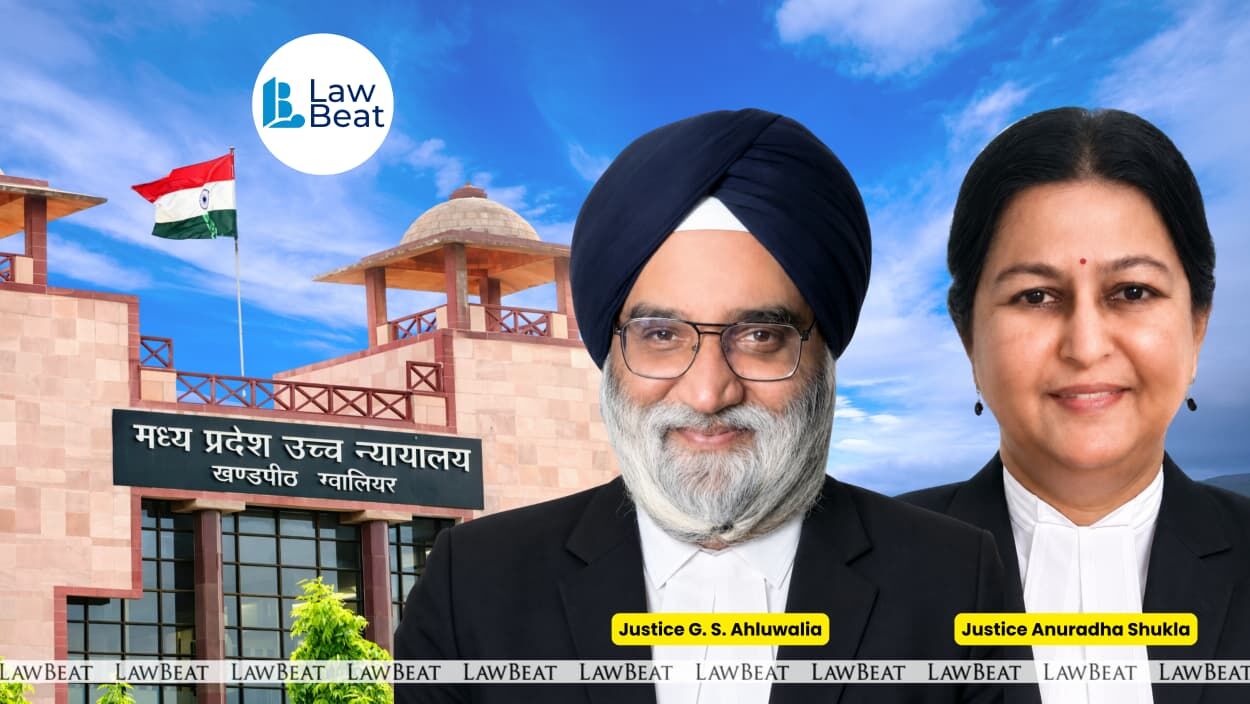
The Madhya Pradesh High Court, sitting at Gwalior, recently dismissed a writ petition filed by Smt. Ratnaprabha Shakya, concerning her adult daughter's decision to reside in Mumbai. The court, comprising a division bench of Justice G. S. Ahluwalia and Justice Anuradha Shukla, issued its order on October 6 in Writ Petition No. 41928 of 2026, titled Smt. Ratnaprabha Shakya vs State of Madhya Pradesh and Others. The proceedings saw Advocates H.K. Shukla and Rajeev Shrivastava representing the petitioner, while Public Prosecutor Dr. Anjali Gyanani appeared for the State. Rajendra Singh, identified in the court order as the woman's father and the petitioner's husband, was also present, alongside Town Inspector Yashwant Goyal from Police Station Maharajpura.
During the hearing, the adult woman, who joined via video conferencing from Mumbai, firmly asserted her independence. She informed the bench that her move to Mumbai was entirely voluntary, that she had secured employment in the city, and that she was not being held under any form of illegal confinement. She further clarified that she is an advocate by profession, having been enrolled with the Bar Council of Madhya Pradesh in September 2026, and was currently residing at a friend's house in Malad West, Mumbai, though she chose not to disclose the friend's name. Her clear and consistent statements led the court to conclude that no grounds existed to proceed with the petition, ultimately granting her the “liberty to live her life as per her own wishes.”
Parental Concerns and Legal Safeguards
The petition was initiated by the woman's parents, who expressed concerns about their daughter's well-being. Her father, Rajendra Singh, specifically submitted to the court that his daughter had been undergoing treatment for schizophrenia and suggested that she should continue her medical care if she was unwilling to return home. The bench acknowledged this as a gesture of parental welfare. However, the woman countered these claims, stating that a psychiatrist she had consulted had informed her she did not suffer from schizophrenia, though a formal evaluation would require a court order. She affirmed her willingness to undergo treatment if such an evaluation determined it was necessary, and emphasized that any decision to return to her parents would be her own, made independently.
Further complicating the matter, the State counsel initially informed the Madhya Pradesh High Court that the woman had filed a writ petition before the Bombay High Court. This purported petition sought protection for her life, liberty, dignity, and personal safety, alongside a declaration of her right as a major to independently determine her residence, education, profession, associations, personal relationships, and matrimonial future. It also requested directions for Mumbai police to prevent her forcible removal or handover to her father. However, the State counsel later confirmed that no such petition could be traced on the Bombay High Court website. It was subsequently revealed that while a draft petition had been prepared on September 29, 2026, and a significant amount of fees transferred to an advocate, the petition remained unfiled by October 6, prompting the bench to express its lack of understanding regarding the delay and to advise the woman to “remain vigilant about her security.”
Reinforcing Adult Choice and Autonomy
The Madhya Pradesh High Court's decision strongly reinforces the principle of adult woman autonomy and the right to choose residence in India. By dismissing the petition, the court underscored that an adult individual possesses the fundamental right to make independent life choices, including where and with whom they live, even when these choices diverge from parental expectations or desires. The court's finding that the woman was residing in Mumbai of her own volition and was not under illegal confinement was central to its ruling, effectively limiting the scope of parental control over an adult child in India.
While upholding the woman's right to self-determination, the court also offered a piece of advice, urging her not to “break ties with parents.” This counsel, however, did not diminish the legal recognition of her Smt. Ratnaprabha Shakya MP High Court adult choice. The ruling serves as a significant precedent, affirming that once an individual reaches adulthood, their decisions regarding personal life, including residence and relationships, are legally protected, irrespective of parental concerns, unless there is evidence of illegal confinement or coercion. The court also suggested she could seek a direction for evaluation of her mental condition in the Bombay High Court petition, to which she agreed to amend her petition accordingly, further demonstrating her engagement with the legal process on her own terms.
Practical Implications
This ruling reinforces the legal principle of an adult individual's autonomy in India to make independent life choices, including residence and personal relationships, even when parents raise concerns about their well-being. Lawyers advising clients on family disputes involving adult children or representing individuals asserting their independence can cite this precedent to underscore the limits of parental authority and the court's emphasis on individual liberty.
Source
How does this affect you?
Get an AI analysis of this article grounded in your jurisdictions, practice areas, and any policy documents you've uploaded to Wansom.
Finish Reading the Full Story and the Expert Analysis.
Get the latest legal & regulatory intelligence in India
Wansom is AI and can make mistakes.