
Meghalaya High Court: Contempt for Shillong Bar Strike Over AG Removal
Summary
- The Meghalaya High Court initiated suo motu contempt proceedings against the Shillong Bar Association and the High Court of Meghalaya Bar Association.
- The contempt notice was issued because the associations called for a strike to demand the removal of Advocate General Amit Kumar.
- The court determined that the strike obstructed the administration of justice and constituted criminal contempt under Section 2(c) of the Contempt of Courts Act, 1971.
- A bench led by Chief Justice Revati Mohite Dere and Justice HS Thangkhiew took judicial cognizance of the strike on October 1.
- The High Court reiterated the settled legal principle that lawyers have no right to engage in strikes or call for abstention from judicial work.
What Transpired
The High Court's firm stance reinforces the established legal position that any call for abstention from judicial duties by legal professionals constitutes a direct obstruction of justice and can lead to criminal contempt charges.
The High Court of Meghalaya has initiated contempt of court proceedings against the leadership of two prominent legal bodies in the state, the Shillong Bar Association and the High Court of Meghalaya Bar Association. This action stems from a directive issued by these associations, urging their members to cease judicial work in protest. The directive, which began on October 1, called for an indefinite suspension of court proceedings across the High Court and all district courts, with the sole exception of Baghmara district.
The core of the dispute revolves around the associations' demand for the immediate removal of Advocate General Amit Kumar. This demand was triggered by a statement attributed to Mr. Kumar in a legal case, where he reportedly asserted that the bar had failed in its duty to safeguard women lawyers within the state. Taking strong exception to this remark, the bar bodies orchestrated the abstention from judicial duties, vowing to continue the strike until their demand for the Advocate General's dismissal was met by the State authorities.
A division bench comprising Chief Justice Revati Mohite Dere and Justice HS Thangkhiew took judicial notice of the ongoing disruption on October 1. The bench proactively registered a suo motu public interest litigation (PIL) to address the widespread cessation of legal work. This judicial intervention underscores the court's concern over the impact of the strike on the functioning of the justice system.
Legal Framework and Court's Stance
In its order, the High Court unequivocally stated that the call for lawyers to abstain from judicial proceedings constitutes a direct obstruction of the administration of justice. The court referenced well-established legal principles, reiterating that legal professionals possess no inherent right to engage in strikes, including token strikes, or to issue calls for such actions. This position aligns with previous rulings that emphasize the essential nature of uninterrupted judicial functions.
The bench specifically identified the actions of the Shillong Bar Association and the High Court of Meghalaya Bar Association as falling under the purview of criminal contempt. Citing Section 2(c) of the Contempt of Courts Act, 1971, the court determined that by obstructing the administration of justice through their call for abstention, the bar bodies had committed an act punishable under the statute. This legal provision defines criminal contempt to include any act that obstructs or interferes with the administration of justice.
Consequently, the court issued contempt notices to the office bearers of both associations, requiring them to respond to the allegations. The initiation of a suo motu PIL by the court highlights its proactive approach in addressing disruptions to judicial processes, particularly when such disruptions are instigated by members of the legal fraternity themselves. This move serves as a significant reminder of the professional obligations that bind lawyers to ensure the smooth functioning of courts.
Why It Matters
This decisive action by the Meghalaya High Court carries substantial implications for bar associations and individual lawyers, not only within the state but potentially across India. It reinforces the judiciary's firm stance against any form of strike or work abstention by legal practitioners, underscoring that such actions are deemed an impediment to the constitutional duty of delivering justice. The court's willingness to initiate suo motu proceedings demonstrates a low tolerance for disruptions that affect litigants and the overall legal system.
The ruling serves as a critical reaffirmation of the principle that the administration of justice cannot be held hostage to internal disputes or demands, however legitimate they may seem to the bar. By invoking Section 2(c) of the Contempt of Courts Act, 1971, the High Court has sent a clear message that leaders of bar associations can be held personally accountable for organizing or advocating for strikes. This development highlights the heightened risk of contempt proceedings for those who call for or participate in such boycotts of court work.
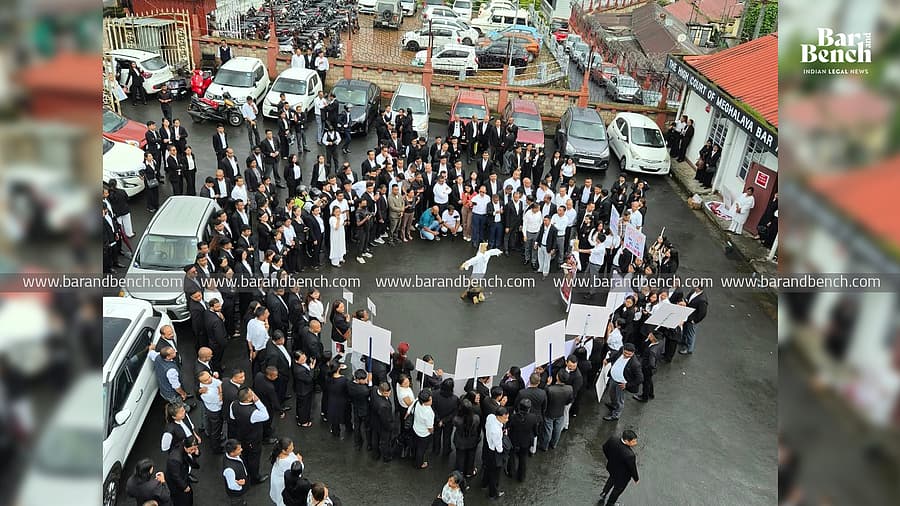
This incident also brings into focus the delicate balance between the right to protest and the professional obligations of lawyers. While lawyers in Shillong did engage in a protest march demanding the Advocate General's removal, the court's primary concern was the cessation of judicial work. The High Court's firm stance reinforces the established legal position that any call for abstention from judicial duties by legal professionals constitutes a direct obstruction of justice and can lead to criminal contempt charges. This precedent underscores the judiciary's commitment to maintaining the sanctity and uninterrupted operation of judicial processes.
Practical Implications
Lawyers and bar associations in India, particularly Meghalaya, must be aware of the heightened risk of contempt of court proceedings for calling or participating in strikes, as the High Court has taken a strong stance, reinforcing the established legal position that such actions obstruct the administration of justice. This development serves as a critical reminder of the professional obligations to ensure uninterrupted judicial work.
Source
How does this affect you?
Get an AI analysis of this article grounded in your jurisdictions, practice areas, and any policy documents you've uploaded to Wansom.
Finish Reading the Full Story and the Expert Analysis.
Get the latest legal & regulatory intelligence in India
Wansom is AI and can make mistakes.