
MP High Court: No National Highways Act Land Return for Unused Acquired Land
Summary
- The Madhya Pradesh High Court ruled that land acquired for national highways cannot be reclaimed by former owners, even if unused.
- The court found no statutory mechanism in the National Highways Act for the return of land once it vests permanently in the Union of India after compensation.
- This decision distinguishes acquisitions under the National Highways Act from those under the 2013 Land Acquisition Act, which has different provisions.
- The ruling followed precedents like Dadhiram Jatav vs. Project Director, NHAI, which examined Section 3D of the National Highways Act.
- Petitioner Kaushalya Devi sought the return of 0.043 hectares of unutilized land but her petition was dismissed.
Court Affirms Finality of Highway Land Acquisition
This ruling provides important clarity for land acquisition under the National Highways Act, emphasizing that the lack of a specific provision for land return means that unutilized portions cannot be reclaimed, a key distinction from the 2013 Land Acquisition Act.
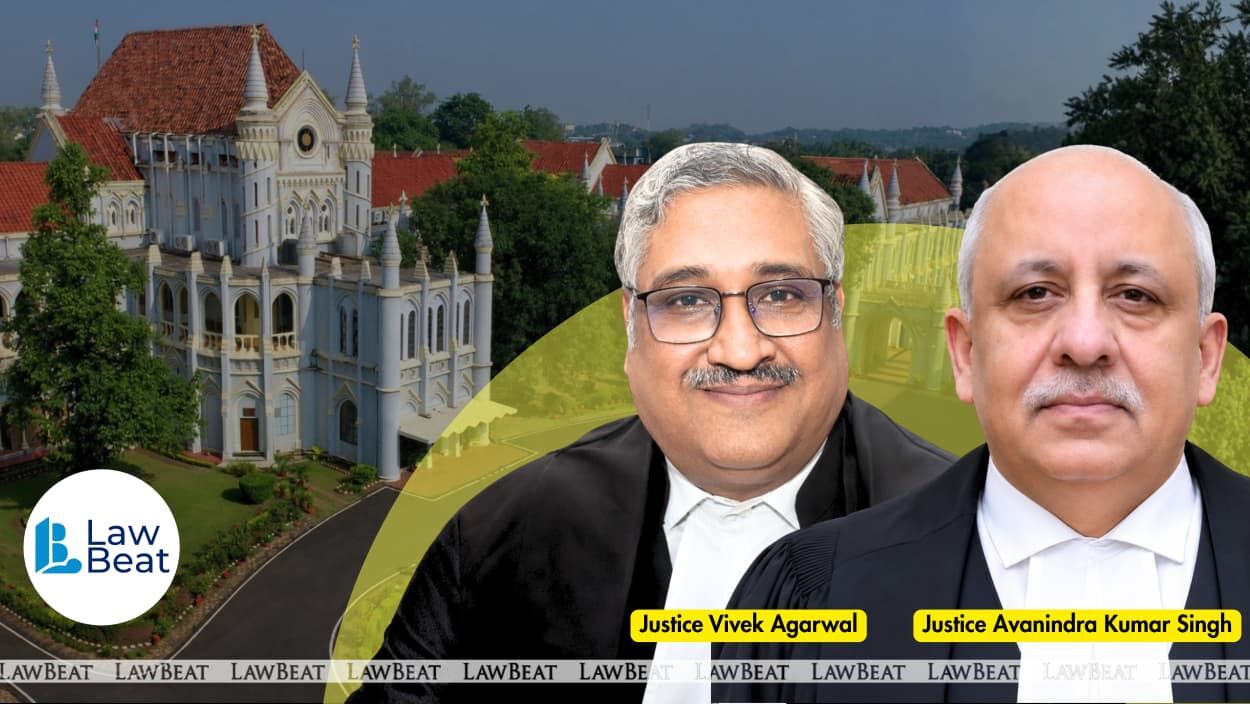
The Madhya Pradesh High Court, sitting as a Division Bench in Jabalpur, has decisively ruled that land acquired for national highway projects under the National Highways Act cannot be reclaimed by its former owners, even if portions remain unutilized after construction. This judgment, delivered by Justice Vivek Agarwal and Justice Avanindra Kumar Singh on August 19, 2026, underscores the permanent vesting of such land in the Union of India once compensation has been paid.
The specific case involved petitioner Kaushalya Devi, who sought the return of 0.043 hectares of land from Khasra No. 633/1 in village Kemar. She contended that while a part of her property was indeed used for building the highway, this particular strip was left unused following the completion of the project. Her counsel, Advocate Mahendra Singh Lodhi, argued that the surplus land, having served no purpose, should be restored to its original owner.
However, the court dismissed the writ petition, emphasizing that no statutory mechanism exists within the National Highways Act to facilitate the return of such land. This ruling reinforces the principle that once land is acquired and compensation is duly provided, its ownership irrevocably transfers to the Union of India, irrespective of subsequent utilization.
Distinction from 2013 Land Acquisition Act
The High Court's decision hinged significantly on distinguishing between land acquisitions made under the National Highways Act and those under the Right to Fair Compensation and Transparency in Land Acquisition, Rehabilitation and Resettlement Act, 2013 (often referred to as the 2013 Act). Government Advocate Anubhav Jain, representing the State, cited previous Single Judge rulings, Dayanand vs. Union of India (August 16, 2016) and Dadhiram Jatav vs. Project Director, National Highway Authority of India and others (August 22, 2022), both of which affirmed the permanent vesting of land under the National Highways Act with no provision for its return.
Advocate Mohan Sausarkar, appearing for NHAI, attempted to introduce a different precedent, Pradeep Pandey and others vs. The Collector Sagar, District Sagar and others (January 9, 2024). This Division Bench ruling had examined Section 101 of the 2013 Act and the Supreme Court's judgment in Project Director, National Highways vs. M. Hakeem. However, the High Court bench found this precedent inapplicable to the current matter, clarifying that the Pradeep Pandey case pertained to land acquired under the 2013 Act, not the National Highways Act.
The court explicitly stated that the Pradeep Pandey judgment was "not application to the facts and circumstances of the present case" because it did not concern the National Highways Authority. This critical distinction highlights that the provisions for land reclamation or return differ substantially between the two legislative frameworks, with the National Highways Act offering no such recourse for unused acquired land in India.
Legal Precedent and Finality of Vesting
Ultimately, the Division Bench aligned its decision with the principles established in the Single Judge rulings, particularly Dadhiram Jatav. The court noted that both Dayanand and Dadhiram Jatav directly addressed land acquired under the National Highways Act, making them directly relevant to Kaushalya Devi's petition. The Dadhiram Jatav case specifically examined Section 3D of the National Highways Act, 1956, and referenced the Supreme Court's judgment in Leelawanti and others vs. State of Haryana and others, concluding that the Union of India could not be compelled to return land acquired for highway projects due to the absence of any such provision within the Act itself.
This affirmation by the MP High Court reinforces the finality of land vesting under the National Highways Act. Once the acquisition process is complete and compensation paid, the land irrevocably belongs to the Union of India, and there is no legal avenue for its reclamation by former owners, even if portions remain unutilized. The court found no compelling evidence to contradict this settled legal position, thus holding that "the ratio of law laid down in Dadhiram Jatav shall follow the course in the present case."
This ruling provides important clarity for land acquisition under the National Highways Act, emphasizing that the lack of a specific provision for land return means that unutilized portions cannot be reclaimed, a key distinction from the 2013 Land Acquisition Act.
Practical Implications
Lawyers advising on land acquisition in India must note that the MP High Court has affirmed the finality of land vesting under the National Highways Act; unutilized portions cannot be reclaimed, a key distinction from the 2013 Land Acquisition Act. This clarifies the limited avenues for challenging post-acquisition land use under the NH Act.
Source
Source: Original reporting via Live Law
How does this affect you?
Get an AI analysis of this article grounded in your jurisdictions, practice areas, and any policy documents you've uploaded to Wansom.
Finish Reading the Full Story and the Expert Analysis.
Wansom is AI and can make mistakes.