
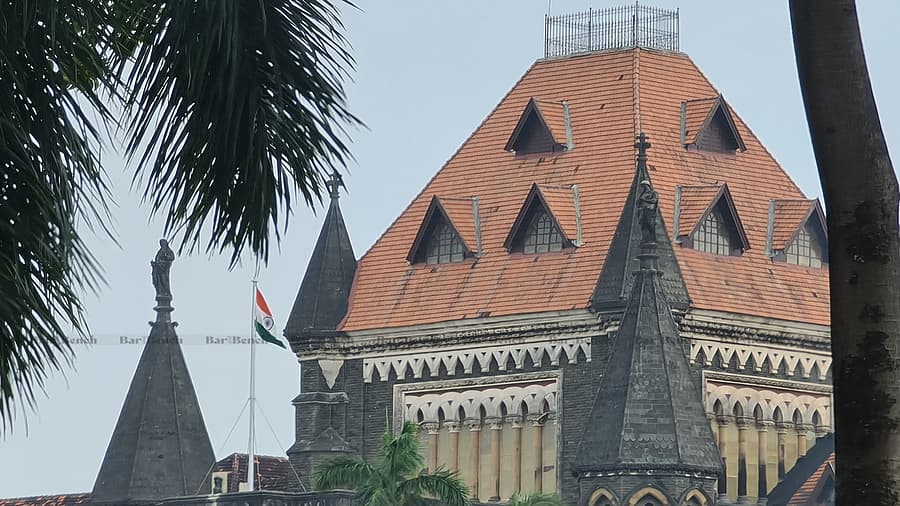
Bombay High Court: Orders Medical Aid for Tribal Students on Hunger Strike in Pune
Summary
- The Bombay High Court directed the Maharashtra government to provide immediate medical assistance and supervised care to tribal students on a hunger strike in Pune.
- Students from the Government Tribal Hostel have been protesting for 15 days over poor infrastructure, safety hazards, and unaddressed grievances.
- A division bench, led by Acting Chief Justice Ravindra V Ghuge, prioritized protecting the students' lives, explicitly stating that no life should be lost.
- The petitioner, Ashok Kavadu Meshram, brought the "very, very grave" situation to the court's attention, warning of broader protests if grievances remain unaddressed.
Judicial Intervention for Student Welfare
We don't want the life of even a single student to be lost.
The Bombay High Court has issued a directive to the Maharashtra government, mandating immediate medical assistance, hospitalization, and supervised care for tribal students engaged in a hunger strike in Pune. This urgent intervention came in the case of Ashok Kavadu Meshram v. State of Maharashtra & Ors., following a mention seeking judicial oversight into the deteriorating conditions of state-run tribal residential hostels. The court's swift action underscores the gravity of the situation, aiming to safeguard the lives of the protesting students.
The students, residing at the Government Tribal Hostel in the Pune district, have been on a hunger strike for a continuous period of fifteen days. Their protest stems from a range of critical issues, including inadequate infrastructure, significant safety hazards, and a persistent failure to address their grievances within these state-managed facilities. Ashok Kavadu Meshram, a local resident from Manjiri in Pune district, brought these concerns to the court's attention as the petitioner, highlighting the severe plight of these vulnerable students.
The Court's Stance on Life and Safety
A division bench, comprising Acting Chief Justice Ravindra V Ghuge and Justice Gautam A Ankhad, convened specifically to hear this pressing matter at 12:30 pm, emphasizing the immediate nature of the crisis. The bench unequivocally declared that the paramount concern was the protection of the students' lives. This judicial intervention for vulnerable groups in India demonstrates a clear commitment to fundamental rights.
During the proceedings, the court issued explicit instructions to the state authorities. "Take care of those students who are fasting. If required, give them medical treatment. If the doctors advise that they should be given food under medical observation, even do that. We don't want the life of even a single student to be lost," the bench orally remarked. This powerful statement underscores the judiciary's role in upholding the right to life, particularly in situations involving hunger strikes where individuals' health is severely compromised. The Bombay High Court's urgent medical assistance order reflects a proactive approach to prevent any loss of life.
Systemic Issues and Broader Implications
The advocate representing the petitioner painted a stark picture for the court, describing the situation as "very, very grave" and asserting that the students' lives were in imminent danger. This dire warning was coupled with a caution that the continued neglect of these grievances could potentially ignite broader protests across Maharashtra, signaling widespread discontent with the state of tribal institutions. The Maharashtra tribal hostel student protests highlight deep-seated systemic failures.
This ruling sets a significant precedent for urgent judicial intervention to protect the fundamental right to life, particularly for vulnerable groups like students in state-run institutions. Lawyers can cite this case to compel state authorities to provide immediate medical care and ensure safety in similar situations involving hunger strikes or other life-threatening protests, especially where state negligence or inaction is alleged. The Bombay High Court order tribal students hunger strike Pune case serves as a critical reminder of the state's obligation to its most vulnerable citizens and the judiciary's role in enforcing that duty.
Practical Implications
This ruling sets a precedent for urgent judicial intervention to protect the fundamental right to life, particularly for vulnerable groups like students in state-run institutions. Lawyers can cite this case to compel state authorities to provide immediate medical care and ensure safety in similar situations involving hunger strikes or other life-threatening protests, especially where state negligence or inaction is alleged.
Source
How does this affect you?
Get an AI analysis of this article grounded in your jurisdictions, practice areas, and any policy documents you've uploaded to Wansom.
Finish Reading the Full Story and the Expert Analysis.
Wansom is AI and can make mistakes.