
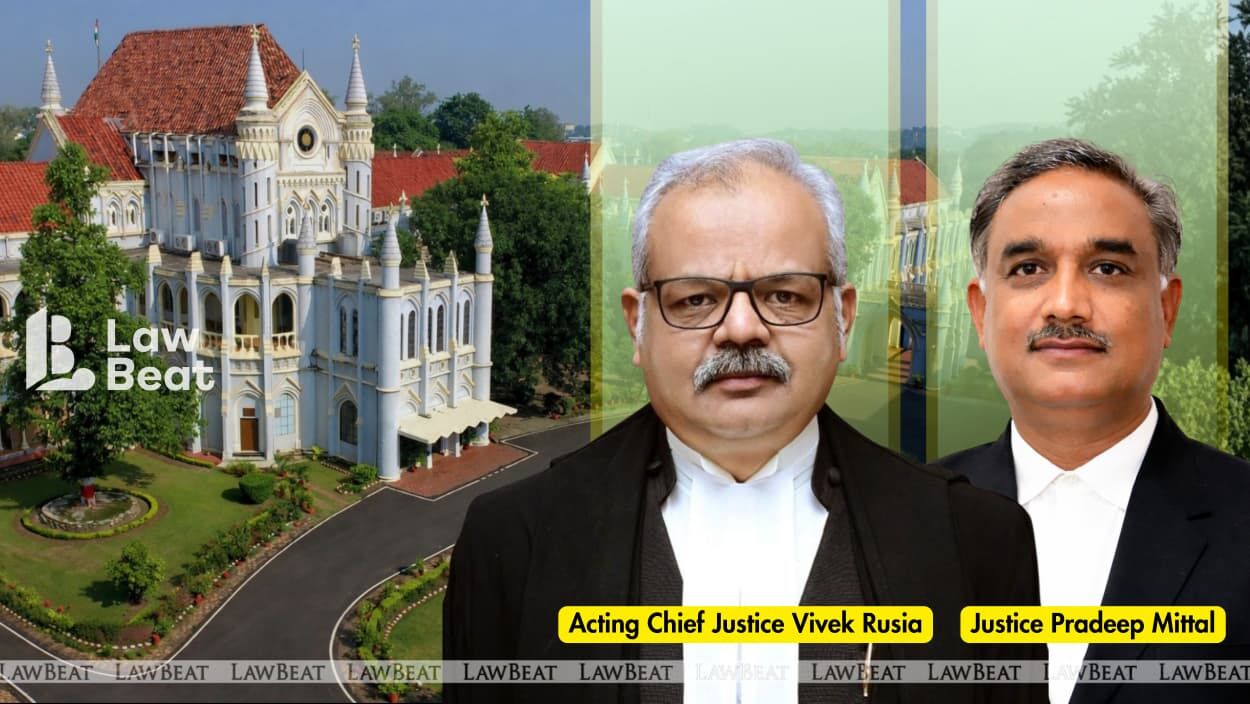
MP High Court: Tree Felling Petitioners Must Plant Trees for Revival
Summary
- The Madhya Pradesh High Court disposed of two petitions challenging tree felling, citing a lack of concrete data on road widening projects.
- Petitioners Anand and Vivek Kumar Sharma were directed to personally plant 25 fruit-bearing trees each and submit a report to the court.
- The court left open the possibility for petitioners to revive their case if they gather specific data on trees felled and compensatory plantations.
- A 2015 notification permitting tree felling, which was a core issue in the petitions, had already been struck down by a Full Bench in March 2025.
- This ruling emphasizes the need for robust, data-driven evidence in future environmental litigation concerning infrastructure development in Madhya Pradesh.
What Happened
By disposing of the petitions due to a lack of concrete evidence, the court has signaled that environmental claims, especially those related to India road widening tree cutting and compensatory afforestation data requirement, must be backed by specific, verifiable data.
The Madhya Pradesh High Court recently concluded two environmental petitions concerning tree felling, directing the petitioners to personally plant fruit-bearing trees. The court, in its August 13, 2026 order, disposed of the petitions but explicitly allowed for their revival, provided the petitioners gather concrete data on tree felling and compensatory afforestation for road widening projects across the state. This ruling came from a division bench comprising Acting Chief Justice Vivek Rusia and Justice Pradeep Mittal.
The court noted a significant absence of specific figures regarding the number of trees cut for infrastructure development, such as new highways and road widening, and the corresponding number of trees planted to offset this loss. Despite acknowledging that "much development has been taken place" since the petitions were filed in 2019, the bench found no material on record to substantiate claims of inadequate compensatory planting. This lack of verifiable information was central to the court's decision to dispose of the cases, rather than rule on the merits of the road-widening tree cutting issue.
Crucially, the court mandated that petitioners Anand and Vivek Kumar Sharma each plant 25 fruit-bearing trees within areas designated by their respective Municipal Corporations. They are also required to submit a report confirming this action. This directive serves as an interim obligation, underscoring the petitioners' commitment to environmental preservation even as their broader legal challenge awaits more robust evidence. The court's stance indicates a clear shift towards requiring detailed, empirical evidence in Madhya Pradesh High Court environmental litigation concerning infrastructure projects.
Legal Context
The two petitions, Writ Petition No. 26802 of 2018 filed by Anand and Writ Petition No. 13864 of 2019 by Vivek Kumar Sharma, were brought against the State of Madhya Pradesh and other entities. Both petitioners, represented by Dr. Anuvad Shrivastava for Anand and Shri Anshuman Singh for Vivek Kumar Sharma, had sought a statewide prohibition on tree felling, protection of green cover, and punitive measures against illegal tree cutters. A primary objective was the quashing of a 2015 tree felling notification MP, specifically dated September 24, 2015, which they argued was detrimental to the "ecological balance."
However, the division bench observed that the challenge to this particular notification had already been effectively resolved. A Full Bench of the same court, hearing these very petitions, had previously struck down the September 24, 2015 notification on March 1, 2025. This earlier ruling meant that the core legal ground for the petitioners' challenge regarding the notification itself had already been decided in their favor, rendering that aspect of the current proceedings moot. Dr. S.S. Chouhan appeared as Government Advocate for the State, while Shri Piyush Bhatnagar represented the Union of India in these proceedings.
With the 2015 tree felling notification MP already invalidated, the remaining substantive issue before the division bench stemmed from Vivek Kumar Sharma's petition. This concerned the ongoing India road widening tree cutting and the alleged lack of corresponding compensatory afforestation data requirement across Madhya Pradesh. The petitioner contended that extensive tree felling for road expansion and new highway construction was occurring without adequate replanting efforts to mitigate environmental impact. This specific concern, however, lacked the necessary evidentiary support to proceed to a definitive ruling.
Why It Matters
This ruling from the Madhya Pradesh High Court carries significant implications for future Madhya Pradesh High Court environmental litigation, particularly those challenging infrastructure projects. By disposing of the petitions due to a lack of concrete evidence, the court has signaled that environmental claims, especially those related to India road widening tree cutting and compensatory afforestation data requirement, must be backed by specific, verifiable data. The bench explicitly stated that "There is no data that how many trees were cut for such purpose and how many trees plantation have been done till date," highlighting the evidentiary gap.
The court's decision to keep the door open for petitioners to return, provided they "collect data and approach this Court again," underscores the importance of robust factual presentation. This means that any future challenges to tree felling for development projects in the state will likely require petitioners to present comprehensive figures on both the number of trees felled and the extent of compensatory plantations. The legal battle over the 2015 notification, which spanned nearly eight years, has now concluded, but the broader issue of environmental impact from road widening remains subject to re-litigation with improved evidence.
The unique directive for the MP High Court tree felling petitioners plant trees themselves, specifically 25 fruit-bearing trees each, adds a personal dimension to the environmental advocacy. While the court acknowledged that the underlying reference regarding the notification had been "answered in favour of the petitioner," this personal obligation reinforces the court's expectation of active participation and commitment from those seeking environmental redress. This outcome sets a precedent for how environmental challenges will be evaluated in the region, demanding not just concern, but also precise, data-driven arguments.
Practical Implications
This ruling indicates that future environmental challenges to tree felling for infrastructure projects in Madhya Pradesh will require petitioners to present concrete data on trees felled and compensatory plantations. Lawyers advising clients on such projects or involved in environmental litigation in the region should ensure robust data collection and presentation to meet the court's evidentiary standards, as the court has explicitly left the door open for re-litigation with better evidence.
Source
How does this affect you?
Get an AI analysis of this article grounded in your jurisdictions, practice areas, and any policy documents you've uploaded to Wansom.
Wansom is AI and can make mistakes.