
India Supreme Court: Brain-Stem Death Guidelines 2026 Hearing Set
Summary
- The India Supreme Court is actively reviewing the National Guidelines on Brain-Stem Death Certification, 2026, alongside an AIIMS report.
- Petitioner Dr. S. Ganapathy has been permitted to serve a questionnaire to respondents, including the Indian Medical Association, regarding the guidelines.
- The Court previously mandated an AIIMS expert committee to examine scientific methods for determining brain death due to reliability concerns.
- Dr. Ganapathy argues that 'brain death' is a misnomer primarily used for organ harvesting and challenges the judiciary to uphold constitutional guarantees.
- The next hearing for this significant matter, which could impact brain death certification legal implications India, is scheduled for October 6, 2026.
Supreme Court Reviews Brain-Stem Death Guidelines
The court's eventual ruling and the finalization of these guidelines could significantly alter the legal framework for brain-stem death certification, impacting compliance requirements for healthcare providers and potentially influencing future litigation related to medical definitions of death and organ harvesting.
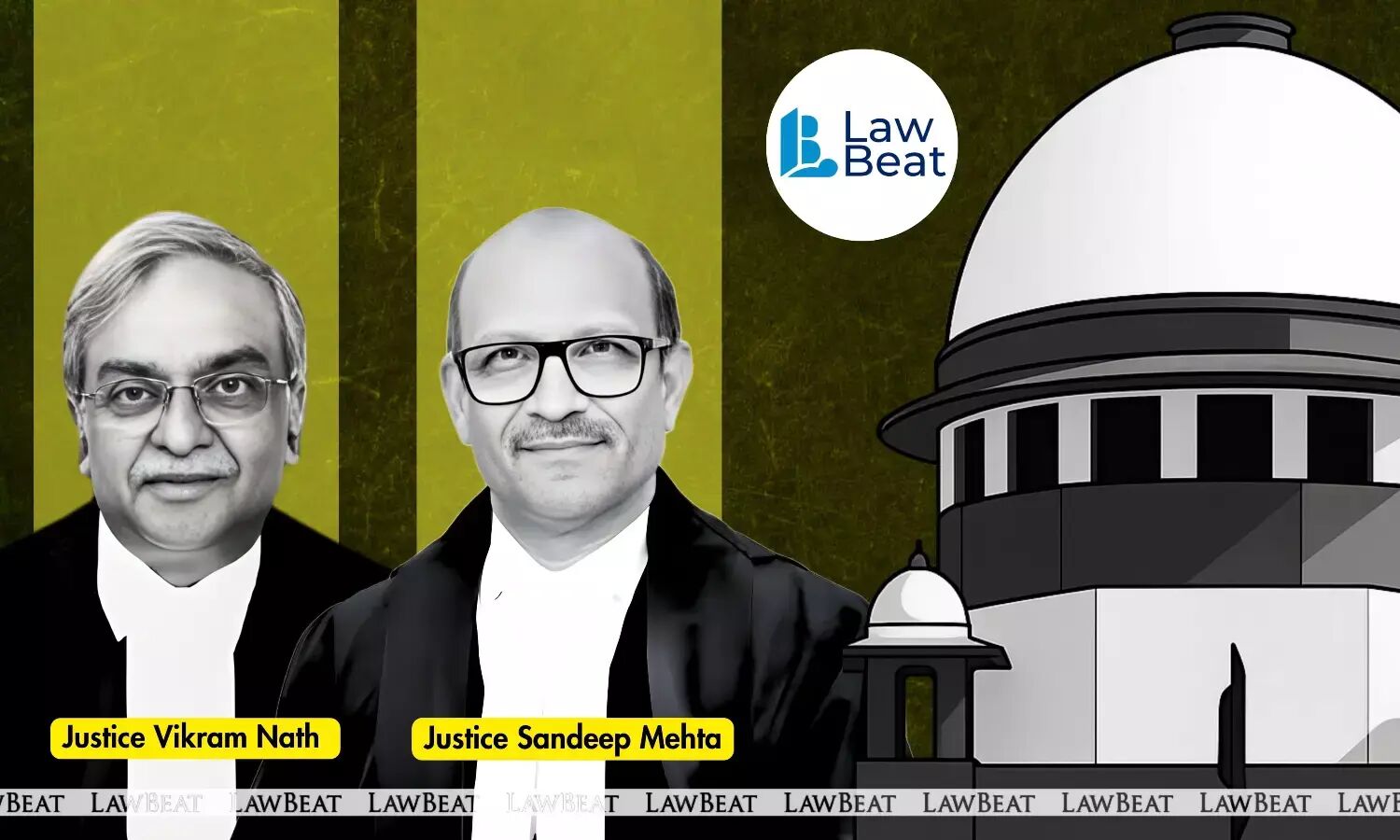
The India Supreme Court recently convened to deliberate on the National Guidelines on Brain-Stem Death Certification, 2026, a critical document that could redefine the legal and medical understanding of death in the country. During the proceedings, the bench, comprising Justices Vikram Nath and Sandeep Mehta, took formal note of these newly released guidelines, which are now publicly accessible, along with an existing report from the All India Institute of Medical Sciences (AIIMS) that had already been submitted to the court.
Dr. S. Ganapathy, appearing as the petitioner-in-person, informed the Court that he had thoroughly reviewed the 2026 guidelines. Representing the respondents, Additional Solicitor General (ASG) Aishwarya Bhati confirmed that the guidelines were unveiled on Organ Donation Day and were developed with significant input from medical experts at AIIMS. The Court acknowledged the AIIMS report and indicated that if any pertinent issues emerged from its contents, the involved parties would have the opportunity to seek further clarification from AIIMS.
A key development in the hearing was the Court's decision to grant Dr. Ganapathy permission to submit a detailed questionnaire to the respondents. The Court stipulated that this questionnaire must be served within four weeks, with a requirement for it to be furnished one week in advance. The bench also clarified that if the questions posed were of a medical nature, the respondents, who include the Indian Medical Association (IMA), would be afforded adequate time to formulate their responses. The matter is now scheduled for its next hearing on October 6, 2026.
Legal and Medical Challenges to Brain Death Certification
The current Supreme Court examination of the National Guidelines on Brain-Stem Death Certification, 2026, builds upon previous judicial interventions. In April of the preceding year, the Court had directed AIIMS to establish an expert medical committee. This committee was tasked with investigating and reporting on scientific methodologies for determining "brain death," a directive spurred by mounting concerns regarding the reliability and transparency of existing procedures for brain death certification legal implications India.
During an earlier hearing in September 2025, Justices Surya Kant and Joymalya Bagchi had observed that the core issue primarily fell within the domains of medical science and public health policy. They had suggested that Dr. Ganapathy approach an expert body like the National Medical Commission (NMC), cautioning that the Court's powers were limited in such matters and that legislative intervention might ultimately be necessary. However, Dr. Ganapathy steadfastly argued that the judiciary could not abdicate its constitutional responsibility to scrutinize the legal position, referencing remarks by the Chief Justice of India about the Constitution's supremacy over Parliament.
Defining Death and Organ Donation Implications
Central to Dr. Ganapathy's petition is his profound challenge to the very concept of brain death. He contends that the term 'brain death' itself is a misnomer, primarily serving as a mechanism to facilitate organ harvesting from individuals who are not, in his view, truly deceased. He has cited instances where patients diagnosed with brain death allegedly had treatable brain conditions, underscoring his argument that the current framework may lead to premature declarations of death for organ procurement.
This ongoing legal scrutiny has significant implications for the medical community and the practice of organ donation in India. The reliability of brain death certification, often involving methods like the apnea test—which assesses the absence of spontaneous breathing—is under intense review. The Supreme Court's eventual ruling on the National Guidelines on Brain-Stem Death Certification, 2026, will be crucial in shaping the future of medical ethics, end-of-life care, and the legal framework surrounding organ donation across the nation.
Practical Implications
Lawyers and compliance officers advising medical institutions or involved in medical ethics, organ donation, or end-of-life care in India should closely monitor the Supreme Court's ongoing examination of the 2026 Brain-Stem Death Guidelines. The court's eventual ruling and the finalization of these guidelines could significantly alter the legal framework for brain-stem death certification, impacting compliance requirements for healthcare providers and potentially influencing future litigation related to medical definitions of death and organ harvesting.
Source
How does this affect you?
Get an AI analysis of this article grounded in your jurisdictions, practice areas, and any policy documents you've uploaded to Wansom.
Wansom is AI and can make mistakes.