
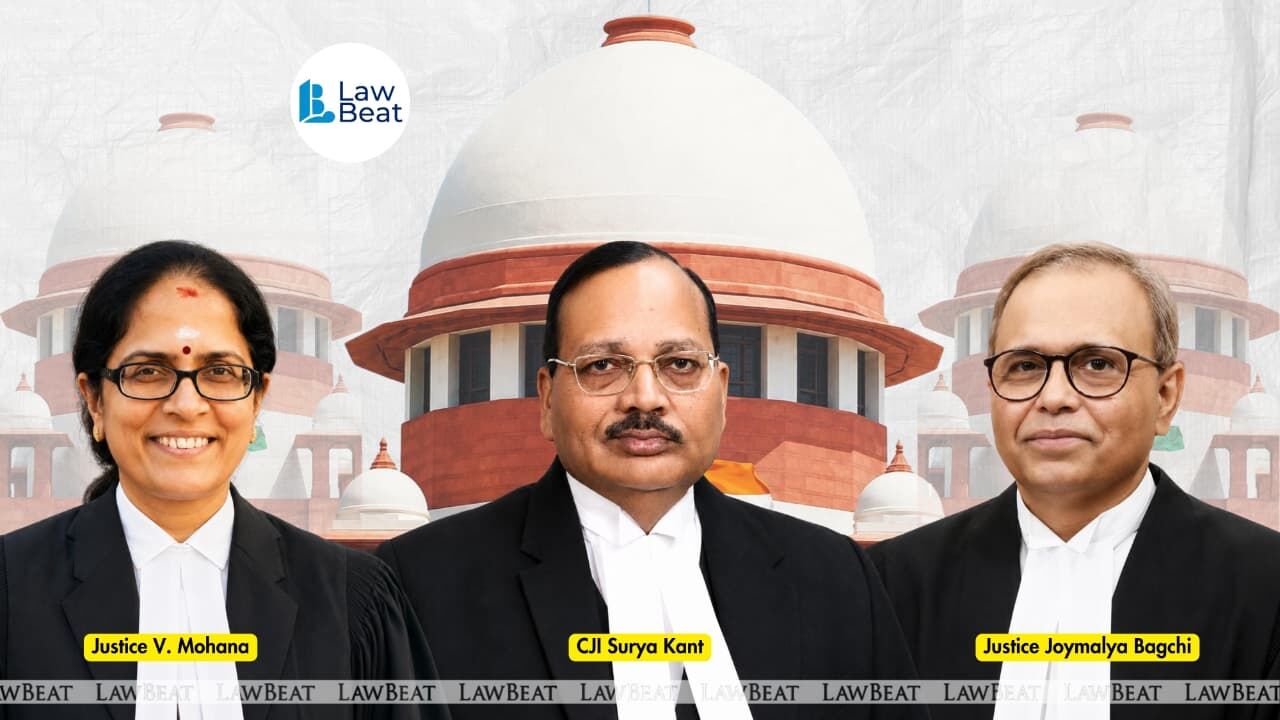
Supreme Court Refuses Suo Motu Cognizance of Jantar Mantar Assaults
The Supreme Court of India, through a bench led by CJI Surya Kant, recently declined to take *suo motu* cognizance of allegations of sexual assault against women during the Jantar Mantar protests, instead directing the aggrieved parties to approach a High-Powered Enquiry Committee (HPEC) already constituted by the Court. This decision came after Senior Advocate Shobha Gupta brought the grave allegations, including instances of sexual assault and physical violence, to the Court's attention, urging it to intervene proactively. The Court's stance was that the existing HPEC, formed just the previous week to investigate police violence during the NEET paper leak protests, was the appropriate forum to address these new complaints, instructing the committee to prioritize them.
This development carries significant legal implications for the exercise of *suo motu* powers by the Supreme Court and the handling of sensitive human rights issues arising from public protests. The Court's refusal to initiate *suo motu* proceedings, despite the serious nature of the allegations, signals a preference for established investigative mechanisms, even when those mechanisms were initially set up for a related but distinct purpose. For victims of alleged assault, it clarifies the procedural path for seeking redress, emphasizing engagement with the HPEC rather than direct Supreme Court intervention at this preliminary stage. It also highlights the Court's approach to judicial economy, opting to consolidate related inquiries under a single, specialized body rather than fragmenting judicial oversight.
The legal context revolves around the Supreme Court's inherent power of *suo motu* cognizance, a vital tool for judicial activism and protecting fundamental rights, particularly under Articles 32 and 136 of the Indian Constitution. However, the Court's decision here demonstrates a discretionary application of this power, preferring to leverage an existing judicial mechanism. The key parties involved are the Supreme Court of India, specifically the bench led by CJI Surya Kant, and Senior Advocate Shobha Gupta, who brought the matter to the Court's attention. Crucially, the High-Powered Enquiry Committee (HPEC) is a central player, comprising eminent legal and law enforcement figures: Justice (Retd.) R. Subhash Reddy (Chair), Justice Ravi Shankar Jha, Mrs. Justice Shalinder Kaur, Rishi Kumar Shukla, and Dr. L.R. Bishnoi. This committee, initially tasked with investigating police violence during NEET protests, now has an expanded mandate to include sexual assault allegations from the Jantar Mantar protests. The outcome of the HPEC's investigation into these specific allegations is not yet reported.
Practising attorneys and legal professionals should closely monitor the proceedings and findings of the High-Powered Enquiry Committee, as its recommendations and actions will set precedents for how similar allegations arising from public demonstrations are investigated and addressed. For lawyers representing victims of protest-related violence or assault, this ruling underscores the importance of understanding and utilizing established investigative channels, such as court-appointed committees, even when direct Supreme Court intervention might seem appealing. It also serves as a reminder that while *suo motu* powers exist, their exercise is discretionary, and courts may prefer to delegate initial fact-finding to specialized bodies. Attorneys should advise clients on the appropriate procedural avenues, ensuring timely and detailed submissions to the HPEC or its nodal officers, as directed by the Supreme Court.
How does this affect you?
Get an AI analysis of this article grounded in your jurisdictions, practice areas, and any policy documents you've uploaded to Wansom.
Wansom is AI and can make mistakes.