
MP High Court Quashes Order Denying Photo Correction in Marksheet of Nursing Student
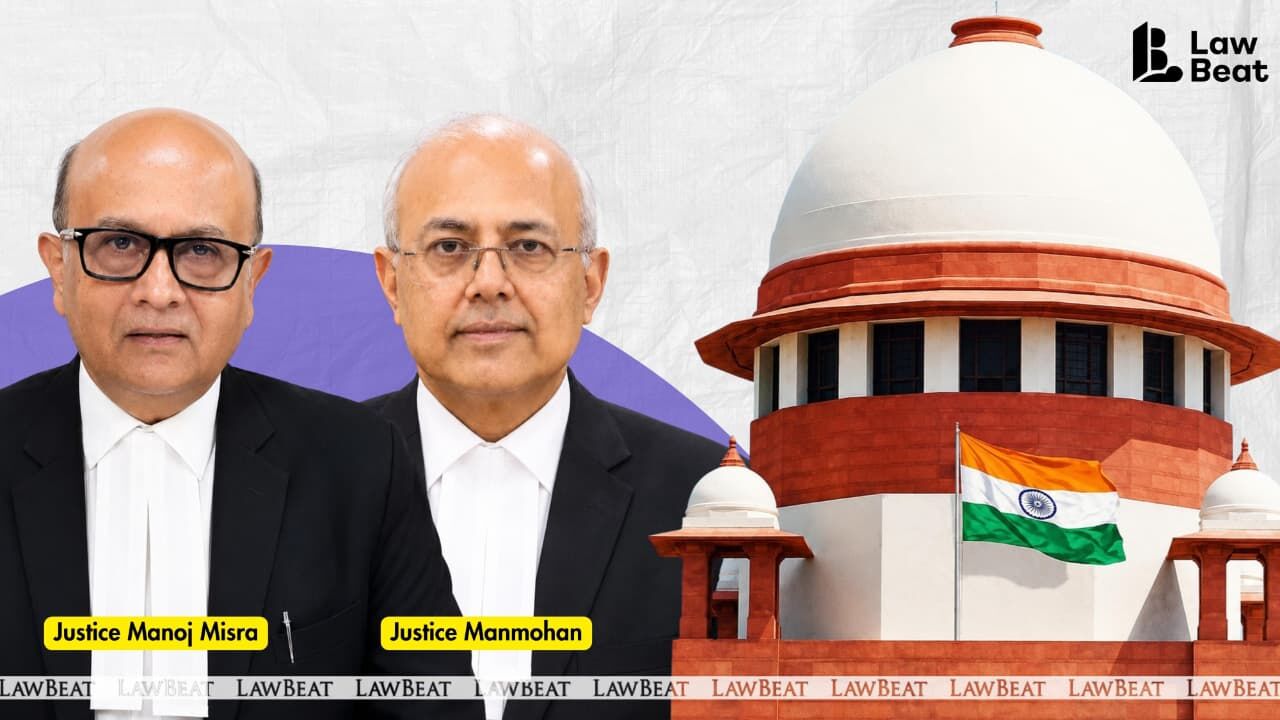
Home / Top Stories / Supreme Court Judgments Section 31 IBC: Approved Resolution Plan Extinguishes Pending And Undecided Claims, Says Supreme Court X Supreme Court rules approved IBC plans extinguish pending creditor claims. The Supreme Court held that once a resolution plan is approved under Section 31 of the Insolvency and Bankruptcy Code, all claims not provided for in the plan stand extinguished, reaffirming the "clean slate" principle while urging lawmakers to revisit protections for MSME operational creditors. The Supreme Court has reiterated that once a resolution plan is approved under Section 31 of the Insolvency and Bankruptcy Code ( IBC ), it becomes binding on the corporate debtor, creditors and all other stakeholders. Court held that all claims not specifically provided for in the approved plan stand extinguished, and no fresh or pending legal proceedings can thereafter be initiated or continued against the successful resolution applicant. A Bench of Justices Manoj Misra and Manmohan said the successful resolution applicant is entitled to take over the company on a "clean slate" and cannot be burdened with undecided claims that do not form part of the approved resolution plan. Can creditors continue lawsuits after approval of an IBC resolution plan? The answer is no, the Supreme Court said. Court observed that admitting claims at a notional value of Rs 1 where disputes are pending before courts or authorities is an accepted practice to inform the resolution applicant of possible liabilities. However, such notional admission does not preserve the creditor's right to continue litigation if the approved resolution plan provides for extinguishment of those claims. Admitting a claim at a token or notional value of Rs 1 is a common practice in the Corporate Insolvency Resolution Process ( CIRP ) to notify the successful resolution applicant of a potential liability where the actual amount is yet to be determined. The practice alerts the prospective resolution applicant (the company bidding to acquire the insolvent company) that there is a pending dispute. "Such quantification at a nominal value does not grant the creditor a right to continue pending litigation if the approved resolution plan otherwise provides for the extinguishment of such claims," the Bench said. Clarifying the legal position, Court said admission of claims at a notional value due to pending disputes does not keep those claims alive after the resolution plan receives approval. The Bench also stressed that inherent powers cannot be invoked to challenge an approved resolution plan merely on vague allegations of fraud or manipulation unless a properly instituted application is filed. It added that statutory authorities such as the NCLT and NCLAT are bound by the framework of the IBC and cannot assume the role of courts of equity or exercise plenary powers. Rejecting the invocation of inherent powers to recall an order approving a resolution plan without a formal application under the applicable procedural rules, the Court reinforced the finality attached to approved resolution plans. Why did the Supreme Court rule in Tata Steel's favour? The judgment came in appeals filed by Tata Steel Ltd, the successful resolution applicant for Bhushan Steel Limited (BSL), against orders of the Bombay High Court's Nagpur Bench dated March 28, 2019 and July 9, 2019. The high court had dismissed Tata Steel's writ petition and review application, allowing a recovery suit filed by operational creditor Varsha to continue despite approval of the resolution plan. The dispute arose from the Corporate Insolvency Resolution Process ( CIRP ) against Bhushan Steel. Before insolvency proceedings began, Varsha had filed a summary civil suit seeking recovery of Rs 38.89 lakh along with 18% interest. During the CIRP, the claims of Varsha and intervenor Masyc were admitted only at a notional value of Re 1 each. Varsha's admitted claim was later revised to Rs 1.66 crore after inclusion
How does this affect your business?
Get an AI analysis of this article grounded in your jurisdictions, practice areas, and any policy documents you've uploaded to Wansom.
Wansom is AI and can make mistakes.