
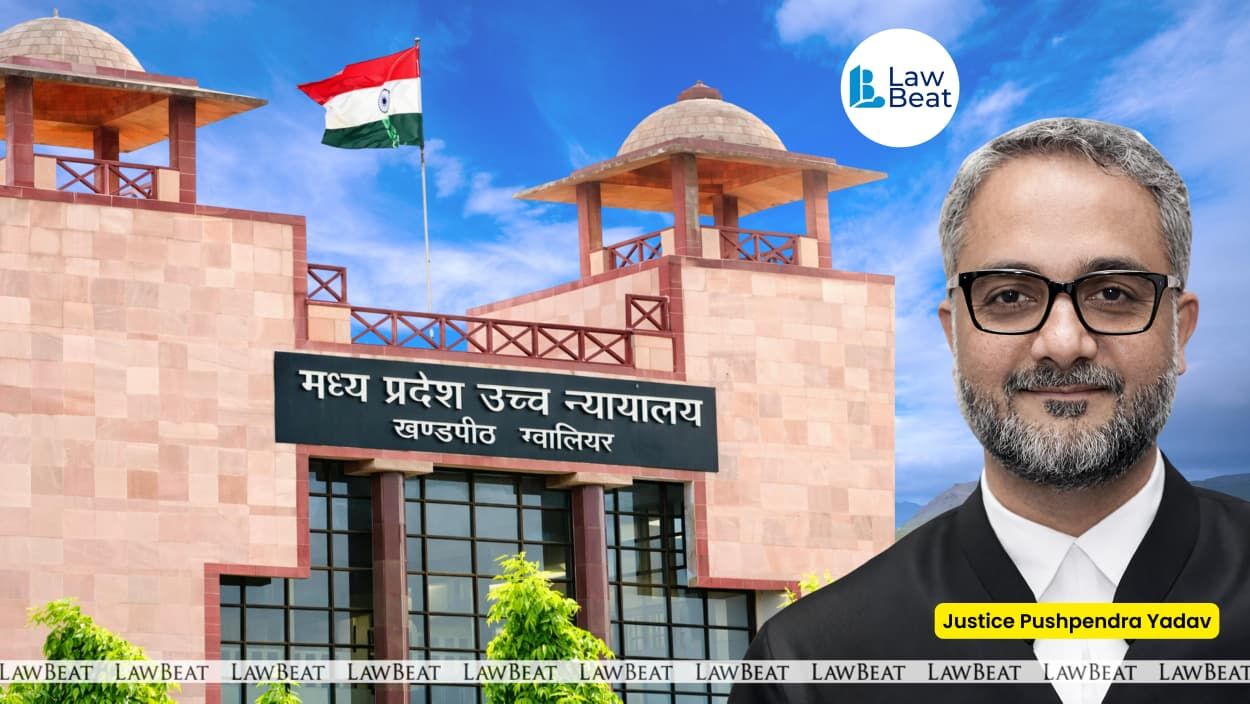
MP High Court: NDPS Vehicle Release Merits Hearing Mandated
Summary
- The Madhya Pradesh High Court set aside a trial court's outright rejection of a plea to release a vehicle seized in a 1.608 kg opium case.
- The High Court ruled that the plea was dismissed without an examination on its merits, mandating fresh consideration.
- This decision was made in accordance with the Supreme Court's precedent set in the case of *Bishwajit Dey vs. State of Assam*.
- The ruling ensures that applications for interim release of vehicles seized under the NDPS Act in Madhya Pradesh must receive a merits-based hearing.
High Court Mandates Merits Hearing for Seized Vehicles
Lawyers representing clients whose vehicles are seized under the NDPS Act in Madhya Pradesh can now cite this ruling to challenge outright rejections of release applications, ensuring a merits-based hearing for interim release based on Supreme Court precedent.
The Madhya Pradesh High Court recently intervened in a case involving a vehicle seized under the Narcotic Drugs and Psychotropic Substances (NDPS) Act, overturning a lower court's decision. The High Court determined that the trial court had improperly dismissed an application for the vehicle's release without conducting a thorough examination of its merits. This ruling underscores a critical procedural requirement for courts handling such applications.
The specific incident involved a vehicle that had been impounded in connection with a case concerning 1.608 kilograms of opium. Following the trial court's outright rejection of the release plea, the matter was brought before the High Court. The higher court's decision to set aside the initial rejection means the case will now return to the trial court for a comprehensive review, ensuring that the application for interim release receives the proper judicial scrutiny it was initially denied.
Legal Framework for NDPS Vehicle Seizures
Under the Narcotic Drugs and Psychotropic Substances Act, law enforcement agencies are empowered to seize property, including vehicles, believed to have been used in the commission of drug-related offenses. While such seizures are a vital tool in combating drug trafficking, the Act also provides avenues for the interim release of seized property, often subject to certain conditions. The process for seeking such release typically involves an application to the trial court.
However, the High Court's recent directive highlights a common pitfall: the tendency of some lower courts to reject these applications summarily. The principle emphasized by the High Court is that even in cases involving serious offenses like those under the NDPS Act, due process demands that applications for the release of seized property are not dismissed without a proper hearing and consideration of all relevant facts and arguments presented by the parties involved. This ensures a balance between punitive measures and the rights of property owners.
Supreme Court Precedent Guides Decision
A pivotal aspect of the Madhya Pradesh High Court's ruling is its reliance on a significant precedent established by the Supreme Court of India. The High Court explicitly cited the Supreme Court's judgment in the case of *Bishwajit Dey vs. State of Assam* as the guiding authority for its decision. This reference indicates that the Supreme Court has previously articulated the necessity of a merits-based evaluation for applications concerning the interim release of vehicles seized under the NDPS Act.
The *Bishwajit Dey* ruling likely reinforces the principle that procedural fairness requires more than a perfunctory review; it mandates a substantive engagement with the arguments for and against release. By remanding the current case for fresh consideration in light of this Supreme Court precedent, the Madhya Pradesh High Court is ensuring that trial courts adhere to established legal standards and provide a comprehensive hearing on the merits of each application for vehicle release.
Implications for Future NDPS Cases in Madhya Pradesh
This ruling by the Madhya Pradesh High Court carries significant implications for how trial courts within the state will handle future applications for the interim release of vehicles seized in connection with NDPS Act offenses. It serves as a clear directive that outright rejections, without a thorough examination of the application's merits, are not permissible. This ensures that individuals seeking the return of their vehicles will be afforded a proper opportunity to present their case.
For legal practitioners, this decision provides a strong basis to challenge any summary dismissal of vehicle release applications. Lawyers representing clients whose vehicles are seized under the NDPS Act in Madhya Pradesh can now cite this ruling to challenge outright rejections of release applications, ensuring a merits-based hearing for interim release based on Supreme Court precedent. The emphasis on a merits hearing reinforces the judiciary's commitment to due process, even in the context of serious criminal proceedings under the Narcotic Drugs and Psychotropic Substances Act.
Practical Implications
Lawyers representing clients whose vehicles are seized under the NDPS Act in Madhya Pradesh can now cite this ruling to challenge outright rejections of release applications, ensuring a merits-based hearing for interim release based on Supreme Court precedent.
Source
Source: Original reporting via Live Law
How does this affect you?
Get an AI analysis of this article grounded in your jurisdictions, practice areas, and any policy documents you've uploaded to Wansom.
Finish Reading the Full Story and the Expert Analysis.
Get the latest legal & regulatory intelligence in India
Wansom is AI and can make mistakes.