
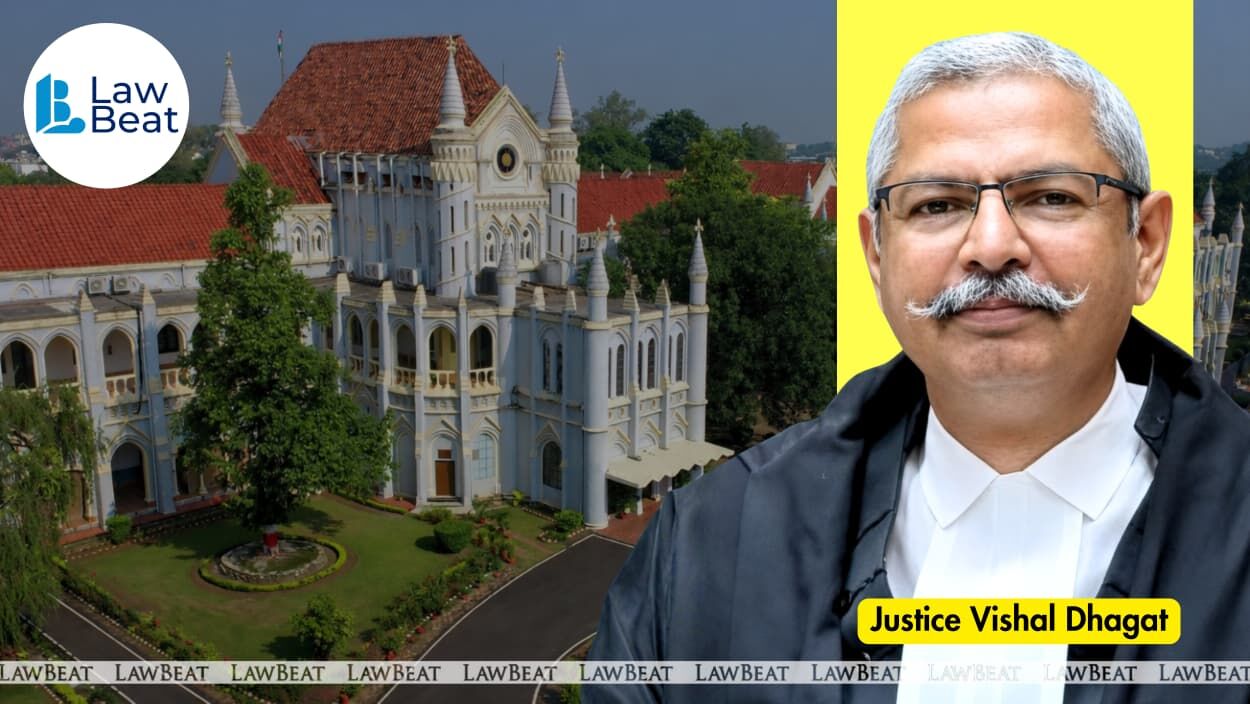
MP High Court: Mandates Junior Advocate Stipend Guidelines
Summary
- The Madhya Pradesh High Court has directed the State Bar Council to establish mandatory minimum stipend guidelines for junior advocates within six months.
- This order, issued by Justice Vishal Dhagat on September 28, 2026, was prompted by a junior lawyer's revelation in court that she was not being paid.
- The court noted that a Bar Council of India circular recommending stipends was only advisory, necessitating state-specific binding rules.
- The new guidelines must specify minimum stipends for a three-year period, differentiating between urban and rural areas, after consultation with bar associations.
- An inquiry has also been ordered into specific advocates for non-payment to the junior counsel involved in the case, Vipin Pandey v Rani Durgavati University.
Landmark Directive on Junior Advocate Stipends
The court emphasized the significant responsibility resting on the Madhya Pradesh State Bar Council, stating it bears a "heavy burden to see that junior advocates are paid stipend."
The Madhya Pradesh High Court has issued a significant directive, mandating the State Bar Council to establish mandatory minimum stipend guidelines for junior advocates within a six-month timeframe. This pivotal order came after a junior lawyer openly informed the court that she was not receiving any remuneration for her professional services. Justice Vishal Dhagat delivered this ruling on September 28, 2026, in Jabalpur, during the proceedings of WP No. 7749 of 2005, a case titled Vipin Pandey v Rani Durgavati University, Jabalpur and Others. The court's intervention highlights a growing judicial concern regarding the financial stability of new legal professionals.
The catalyst for this judicial action was Ms. Ayushi Mishra, who represented the petitioner in the two-decade-old writ petition. When she requested an adjournment, explaining that the primary arguing counsel was "adjusted today," the court inquired about her role in the matter. Her candid response—that "no stipend is being paid to her"—prompted the court to pivot its focus from the case's underlying dispute to the broader issue of junior lawyer minimum pay in India, particularly within Madhya Pradesh. This unexpected turn directly led to the court's comprehensive directions aimed at ensuring fair compensation for junior advocates.
Regulatory Framework and Court's Stance
In its deliberation, the High Court considered a Bar Council of India (BCI) circular, dated October 15, 2024, which advises all State Bar Councils to ensure junior advocates receive a minimum stipend for at least three years from their date of engagement. The BCI had recommended a monthly stipend of Rs 20,000 for urban areas and Rs 15,000 for rural areas. However, the bench, presided over by Justice Vishal Dhagat, observed that this Bar Council of India stipend circular was "only recommendatory in nature" and therefore lacked binding legal force.
Recognizing the non-binding nature of the BCI's recommendations, the court specifically instructed the Madhya Pradesh State Bar Council to develop its own mandatory MP High Court junior advocate stipend guidelines. These guidelines must specify a minimum stipend for junior advocates over a three-year period, with distinct rates for urban and rural regions. The State Bar Council is required to consult with both the M.P. High Court Bar Association and the M.P. High Court Advocates' Bar Association during this process. The final guidelines are to be issued through the Bar Association in the State of Madhya Pradesh within a strict six-month timeframe.
Ensuring Financial Stability for Young Lawyers
The court emphasized the significant responsibility resting on the Madhya Pradesh State Bar Council, stating it bears a "heavy burden to see that junior advocates are paid stipend." This directive aims to enable young lawyers to cover their essential expenses, including daily living costs and transportation, particularly during the initial stages of their careers when they are still gaining experience and do not yet have their own client base. The ruling highlights the importance of financial support for junior advocates to facilitate their learning and professional development without undue economic strain.
Beyond the general mandate for future guidelines, the court also issued a specific order for an inquiry. The Madhya Pradesh Bar Council is directed to investigate why Advocates Rajesh Dubey, Aniruddh Kumar Mishra, Chandrika Prasad Dwivedi, Dhananjay Chaturvedi, and Naveen Kumar Pathak, all involved in the case, have not been paying a stipend to Ms. Ayushi Mishra. This particular inquiry underscores the court's commitment to addressing individual instances of non-payment while simultaneously establishing a systemic solution for junior lawyer minimum pay in India.
Broader Directives and Case Specifics
In a broader directive, the State Bar Council, along with both High Court bar associations, was instructed to acknowledge the facts of the case and ensure that all junior advocates are compensated for their work performed on behalf of senior counsel. This comprehensive approach aims to foster a more equitable environment for junior legal professionals across the state. A copy of the order has been mandated for distribution to all three bodies to ensure compliance.
The underlying dispute of the original case, Vipin Pandey v Rani Durgavati University, Jabalpur and Others, was not detailed in the court's order, as the proceedings primarily focused on the stipend issue. The case itself was ultimately adjourned for a final hearing, with the Registry directed to list it, due to the unavailability of the arguing counsel. Thus, while the immediate case was deferred, the court's intervention on September 28, 2026, by Justice Vishal Dhagat, has set a precedent for the Madhya Pradesh State Bar Council stipend regulations, marking a pivotal moment for junior advocates in the region.
Practical Implications
Law firms and senior advocates in Madhya Pradesh employing junior advocates must prepare for the imminent implementation of mandatory minimum stipend guidelines, as the State Bar Council is directed to frame these within six months. This development signals a shift towards regulated compensation for junior legal professionals in the region, potentially setting a precedent for other states.
Source
How does this affect you?
Get an AI analysis of this article grounded in your jurisdictions, practice areas, and any policy documents you've uploaded to Wansom.
Finish Reading the Full Story and the Expert Analysis.
Get the latest legal & regulatory intelligence in India
Wansom is AI and can make mistakes.