
MP High Court: Affirms Adult Jain Saadhvi Right Despite Parental Opposition
Summary
- The Madhya Pradesh High Court affirmed a 20-year-old woman's right to become a Jain Saadhvi despite her parents' opposition.
- The court directed police to provide immediate protection if she formally requests assistance against any coercive methods from her family.
- This decision reinforces an adult's fundamental right to religious freedom and personal liberty under Articles 19, 21, 25, and 26 of the Indian Constitution.
- The ruling cited Supreme Court precedents *Lata Singh v. State of U.P.* and *Shakti Vahini v. Union of India* to guide police action in such cases.
Upholding Adult Religious Autonomy
The court's decision underscores the principle that adult citizens possess the inherent right to determine their own religious and life choices, free from interference, even from their own families.
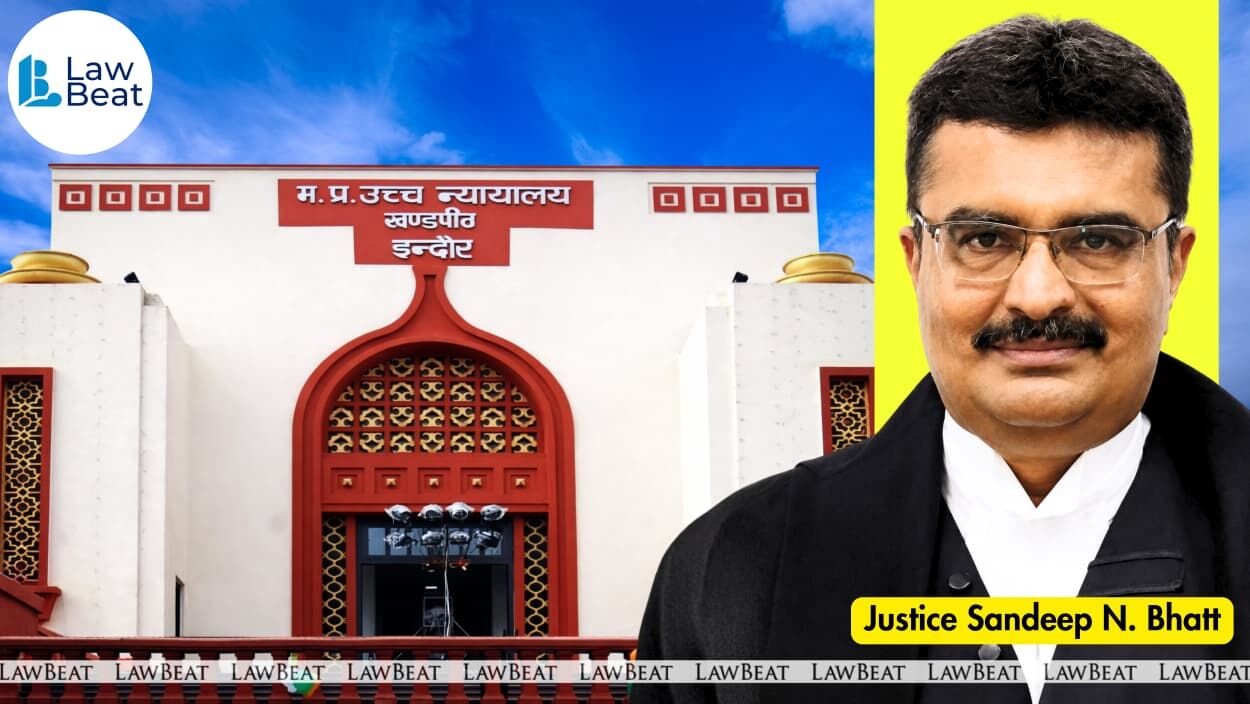
The Madhya Pradesh High Court has unequivocally affirmed the fundamental right of a 20-year-old woman to pursue her chosen religious path as a Jain Saadhvi, even in the face of strong parental opposition. This significant ruling from the Indore Bench, presided over by Justice Sandeep N. Bhatt, underscores the principle that adult citizens possess the inherent right to determine their own religious and life choices, free from interference, even from their own families.
The case originated from a writ petition filed by Tanisha, who informed the court of her devout adherence to Shwetambar Jain Dharma and her aspiration to undertake Diksha, a sacred initiation into monastic life. She expressed profound concern that her parents and other relatives were actively harassing her and obstructing her decision. Tanisha articulated fears that their influence could impede her freedom of conscience and religion, potentially restricting her movement and personal liberty.
In her petition, Tanisha sought several remedies: police protection, a directive to prevent her parents and relatives from interfering with her religious initiation, and a judicial declaration affirming her entitlement, as a major, to exercise her fundamental rights under Articles 19, 21, 25, and 26 of the Constitution without hindrance. Her legal representative, Advocate Ashish Joshi, informed the court that a formal request for protection had already been lodged with the Commissioner of Police, Indore, but remained unaddressed. He urged the court to ensure Tanisha was safeguarded from any form of cruelty, harassment, coercion, or intimidation from her family.
Judicial Affirmation and Protective Directives
In its deliberation, the High Court acknowledged the petitioner's status as an adult Indian citizen, emphasizing her inherent right to follow and practice her chosen religion and to live her life according to her own will. The court observed that while Tanisha was already a follower of Jain Dharma, her decision to renounce worldly life and become a Saadhvi was being resisted by her parents and close relatives, driven by their emotional attachment. The bench also noted Tanisha's apprehension that her parents, due to their societal influence, might prevent her from taking Diksha and living peacefully as a Jain Saadhvi.
While expressing equal sympathy for both the petitioner and her parents, recognizing the natural parental resistance stemming from affection, the court firmly stated that the law is clear: any individual over the age of 18 is entitled to the protection of their family and other legal rights. Consequently, any obstruction to these rights is impermissible under law. Rather than issuing a broad protective order, the court devised a practical mechanism to ensure Tanisha's safety and autonomy.
The High Court directed Tanisha to approach specific authorities—the Superintendent of Police, the relevant local police station, or the fourth respondent—by submitting a formal application for assistance against any coercive tactics employed by any individual, including her parents. Upon receipt of such an application, the court mandated that the concerned authority or Station House Officer must investigate the matter and take immediate action, adhering to the guidelines established by the Supreme Court in relevant precedents.
Legal Framework and Precedential Guidance
The court's decision to uphold the MP High Court Jain Saadhvi right is firmly rooted in established constitutional principles and Supreme Court jurisprudence. The ruling explicitly referenced Articles 19 (freedom of speech and expression, including the right to reside and settle in any part of India), 21 (protection of life and personal liberty), 25 (freedom of conscience and free profession, practice, and propagation of religion), and 26 (freedom to manage religious affairs) of the Indian Constitution, which collectively safeguard an individual's autonomy in matters of faith and personal choice.
Crucially, the High Court relied on the Supreme Court's landmark judgment in *Lata Singh v. State of U.P.* This precedent unequivocally states that adult individuals possess the liberty to make their own life decisions, and courts are obligated to protect their interests. Furthermore, the order cited *Shakti Vahini v. Union of India*, a case that provides directives on how police must respond to applications for protection, particularly in situations involving adult religious freedom India and parental opposition adult religious choice. These Supreme Court rulings provided the foundational legal framework for the High Court's directive, ensuring that police protection, when sought, is both prompt and effective.
Implications for Adult Religious Freedom
This ruling by the Madhya Pradesh High Court sets a clear precedent regarding the rights of adults to make independent religious choices, even when those choices diverge significantly from familial expectations. It reinforces the constitutional guarantee of religious freedom and personal liberty, emphasizing that these rights extend to individuals over 18 years of age, irrespective of parental disapproval. The court's nuanced approach, acknowledging parental attachment while upholding legal principles, provides a balanced perspective on such sensitive matters.
The directive for immediate police action upon a formal application for protection is particularly significant. It clarifies the police's obligation to intervene and prevent coercion, offering a practical mechanism for individuals to enforce their rights when facing interference. This decision serves as a vital affirmation for adults seeking to exercise their religious autonomy, ensuring that their choices are respected and protected under the law, even against influential family members.
Practical Implications
This ruling provides a clear precedent for lawyers advising adult clients on their fundamental right to religious freedom and autonomy, even when facing parental opposition. It clarifies the police's obligation to protect such individuals from coercion, offering a framework for seeking enforcement of these rights.
Source
How does this affect you?
Get an AI analysis of this article grounded in your jurisdictions, practice areas, and any policy documents you've uploaded to Wansom.
Finish Reading the Full Story and the Expert Analysis.
Get the latest legal & regulatory intelligence in India
Wansom is AI and can make mistakes.