
Madhya Pradesh High Court: No S. 125 CrPC Maintenance for Capable Wife
Summary
- The Madhya Pradesh High Court ruled that a wife capable of maintaining herself is not automatically entitled to maintenance, even with a valid reason to live separately.
- The court upheld a Family Court order granting Rs 30,000 per month to the minor son but denying maintenance to the mother.
- The wife, a qualified dentist, was deemed capable of earning, and her plea of not working due to the child's young age was not accepted.
- This decision aligns with the Supreme Court's precedent in Shailja v. Khobbanna, distinguishing between the capacity to earn and actual earnings.
- The ruling was made under Section 125 CrPC, now corresponding to Section 144 of the Bharatiya Nagarik Suraksha Sanhita.
Case Background and Initial Ruling
The High Court explicitly stated that the concurrent finding of a valid cause to live separately does not, in itself, confer entitlement to maintenance when the wife is deemed capable of self-support.
A recent decision by the Madhya Pradesh High Court at Indore has clarified the parameters for maintenance claims under Section 125 of the Criminal Procedure Code, now Section 144 of the Bharatiya Nagarik Suraksha Sanhita, 2023. The case involved a mother and her minor son who sought increased maintenance from the husband/father. The couple, married on November 19, 2019, had a son born on July 18, 2022. The petitioners had initially requested Rs 2,00,000 per month, citing allegations of cruelty, dowry demands, harassment, forced ouster, and neglect.
The husband, a qualified dental surgeon operating his own clinic, countered these claims. He asserted that his wife, also a qualified dentist, was capable of earning her own livelihood, while he himself was a postgraduate student with limited independent income. The Family Court, presided over by the First Additional Principal Judge in Indore, found that the husband earned at least Rs 1,50,000 monthly, supported by evidence of his PPF account and mutual fund investments. It also acknowledged the wife had a valid reason to live separately, evidenced by a dowry-harassment FIR (No. 155/2024). However, the Family Court declined to award maintenance to the wife, granting only Rs 30,000 per month to the minor son, effective from July 4, 2024.
Madhya Pradesh High Court's Affirmation
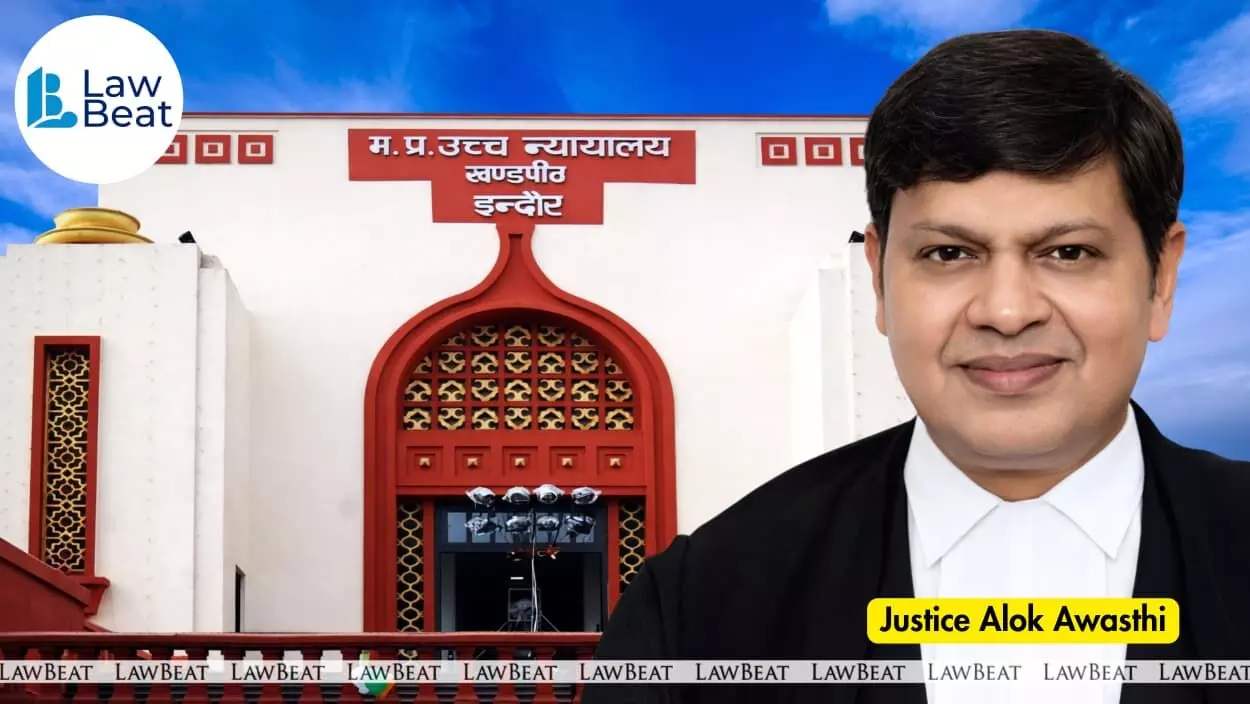
Justice Alok Awasthi of the Madhya Pradesh High Court dismissed the criminal revision petition filed by the mother and son, thereby upholding the Family Court's September 27, 2025 order. The High Court affirmed that a wife, even with a valid cause to live separately, is not automatically entitled to maintenance if she possesses the capacity to support herself. This ruling underscored the principle that the ability to earn is a crucial determinant in such claims.
The appellate court specifically refused the petitioners' request to increase the Rs 30,000 monthly maintenance awarded to the minor son. It determined that this amount was neither insufficient nor excessive, considering the financial standing of both parties and the father's admitted income of at least Rs 1,50,000 per month. The High Court found no compelling reason to interfere with the Family Court's assessment of the child's maintenance, noting that no material was presented to demonstrate the quantum was so low as to warrant revisional intervention.
Legal Principles and Precedent
The Madhya Pradesh High Court's decision was rooted in established legal principles concerning maintenance claims under Section 125 CrPC, now codified as Section 144 of the Bharatiya Nagarik Suraksha Sanhita. The court observed that its revisional jurisdiction, as outlined in Section 19(4) of the Family Courts Act, is limited, allowing intervention only if findings are perverse, lack evidentiary basis, or suffer from patent illegality. In this instance, no such perversity was found in the Family Court's conclusion that the wife was not "unable to maintain herself."
Central to the High Court's reasoning was the distinction between the capacity to earn and actual earnings, a principle previously articulated by the Supreme Court in Shailja & Anr. v. Khobbanna. The wife, a qualified BDS dentist, had admitted her professional qualification. Her sole justification for not working was the young age of her child, a plea the Family Court had not accepted. The High Court explicitly stated that the concurrent finding of a valid cause to live separately does not, in itself, confer entitlement to maintenance when the wife is deemed capable of self-support.
Implications for Maintenance Claims
This Madhya Pradesh High Court maintenance ruling reinforces a significant aspect of matrimonial law: a wife's earning capacity is a paramount consideration in maintenance claims, even when a valid cause to live separately maintenance exists. The judgment clarifies that while a spouse may have legitimate grounds for separation, this does not automatically translate into an entitlement to financial support if they are professionally qualified and capable of earning. This aligns with the broader legal intent of Section 125 CrPC (and its successor, Section 144 BNSS), which aims to prevent destitution rather than provide a guaranteed income regardless of self-sufficiency.
The ruling serves as an important reminder for individuals involved in matrimonial disputes and their legal counsel. It emphasizes the need for a thorough assessment of a claimant spouse's earning potential, as courts will scrutinize claims of inability to work, especially when professional qualifications are present. The court's dismissal of the revision, despite the petitioners citing precedents like Chaturbhuj v. Sita Bai and Bhuwan Mohan Singh v. Meena, indicates a firm stance on the principle that capacity to earn can preclude maintenance, even if those cited rulings lay down "salutary principles."
Practical Implications
This ruling clarifies that a wife's capacity to earn is a critical factor in maintenance claims under S. 125 CrPC (now S. 144 BNSS), even if she has a valid reason to live separately. Lawyers advising clients on matrimonial disputes must thoroughly assess the earning potential of the claimant spouse, as the court will not automatically grant maintenance if the wife is deemed capable of self-support, reinforcing the precedent set by the Supreme Court.
Source
How does this affect you?
Get an AI analysis of this article grounded in your jurisdictions, practice areas, and any policy documents you've uploaded to Wansom.
Finish Reading the Full Story and the Expert Analysis.
Get the latest legal & regulatory intelligence in India
Wansom is AI and can make mistakes.