
Mozambique Prosecutor Presents Videos in Mondlane Incitement Trial
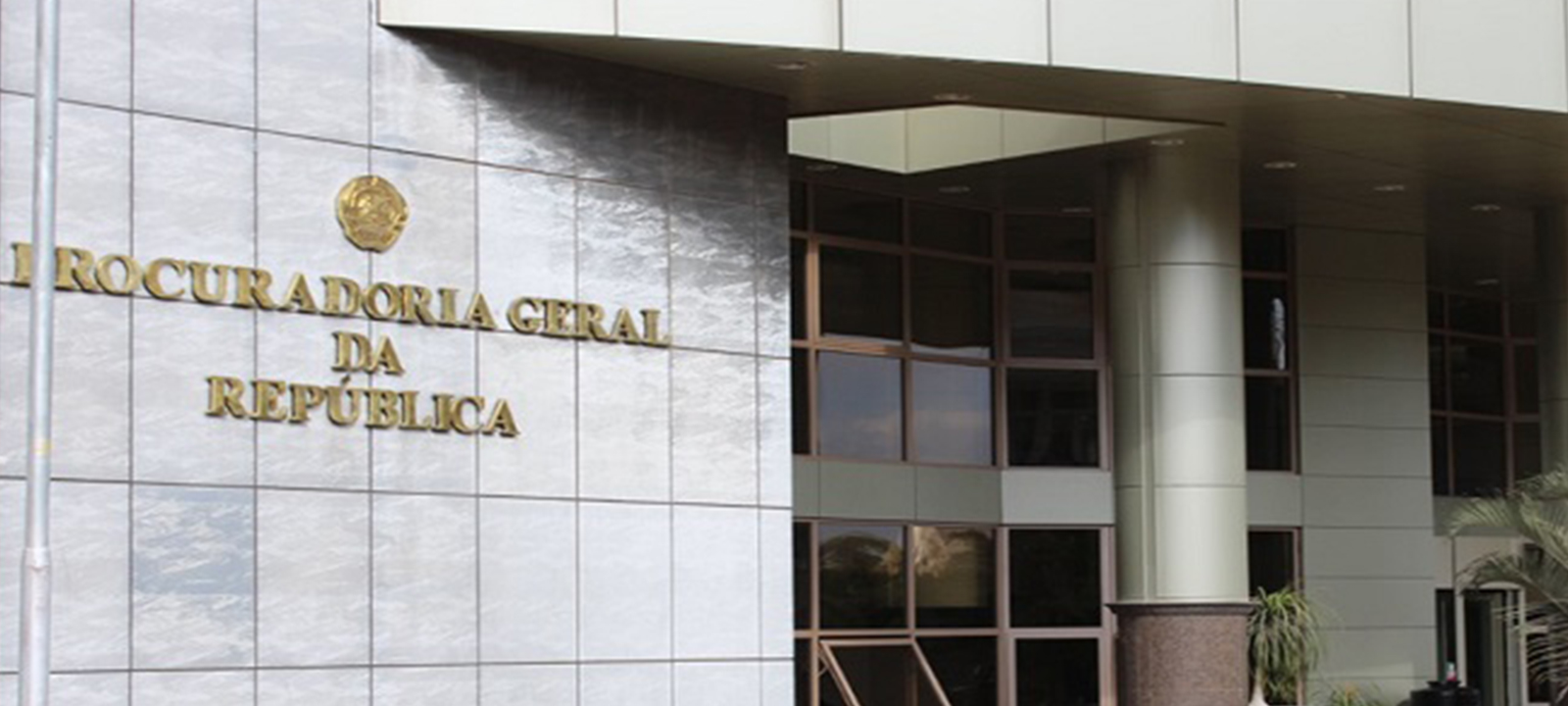
The Public Prosecutor's Office in Mozambique is presenting video evidence of alleged incitement to violence against Venâncio Mondlane during his ongoing trial, seeking to establish if acts of public disorder during demonstrations were a result of his instructions. This development highlights the Mozambican state's commitment to prosecuting individuals perceived to be instigating unrest, particularly in the context of political activism and public demonstrations. Mondlane, a prominent figure, has reportedly denied the charges, asserting that his communications consistently advocated for peaceful means.
This legal action carries significant implications for the interpretation of freedom of expression versus public order in Mozambique, and for the standards of evidence required to prove incitement to violence. For legal practitioners, it underscores the increasing reliance on digital evidence, such as video recordings, in criminal proceedings and the challenges associated with authenticating and interpreting such material. The outcome of this trial could set an important precedent for how political speech and protest activities are legally assessed in the country, influencing future public discourse and the boundaries of permissible dissent.
The legal context for this case is rooted in Mozambican criminal law, specifically provisions addressing incitement to violence, public disorder, and potentially crimes against public security. The Public Prosecutor's Office (Ministério Público) plays a central role in initiating and conducting criminal prosecutions, while the Mozambican judicial system, including its criminal courts, is responsible for adjudicating such matters based on established criminal procedure. The defense will likely focus on challenging the evidentiary value of the videos, the causal link between Mondlane's statements and the alleged acts of violence, and asserting constitutional rights related to freedom of speech and assembly.
The key parties involved are the Public Prosecutor's Office, representing the state's interest in upholding public order, and Venâncio Mondlane, the defendant. The Police of the Republic of Mozambique (PRM) are also implicitly involved as the alleged victims of aggression and the enforcers of public order during the demonstrations. The specific court presiding over the trial, while not named in the excerpt, is a critical institution in this process.
Practitioners advising individuals or organizations involved in public advocacy, political activities, or those facing charges related to public order should closely monitor this trial. It is crucial to understand the evolving standards for digital evidence, the legal definition of incitement, and the potential for robust state intervention in cases involving public demonstrations. Businesses should also be aware of the broader implications for social stability and the regulatory environment, particularly concerning corporate social responsibility and engagement with local communities. The outcome of this matter is not yet reported, and its progression will offer valuable insights into the Mozambican legal landscape.
How does this affect you?
Get an AI analysis of this article grounded in your jurisdictions, practice areas, and any policy documents you've uploaded to Wansom.
Finish Reading the Full Story and the Expert Analysis.
Get the latest legal & regulatory intelligence in Mozambique
Wansom is AI and can make mistakes.