
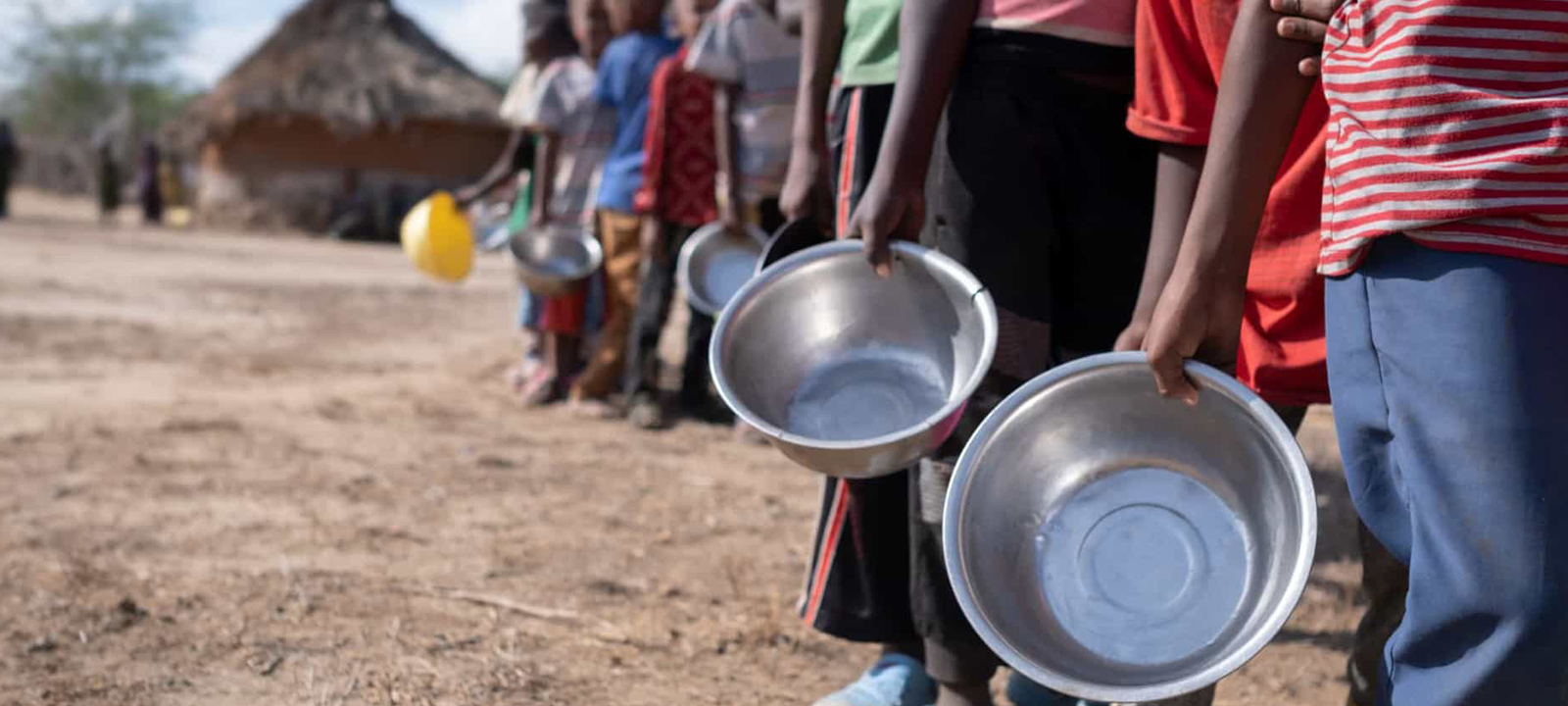
Moçambique Aprova Resolução 89/2026 ENAE para Alimentação Escolar
Summary
- Chronic malnutrition affects 37% of Mozambican children under five years old.
- This malnutrition is linked to 18% of school repetitions in the country.
- The Estratégia Nacional de Alimentação Escolar (ENAE) 2026-2035 has been approved to address these issues.
- The government adopted the ENAE via Resolução n.º 89/2026, dated November 5.
- The ENAE establishes national guidelines for school food policy.
The Challenge of Child Malnutrition in Mozambique
For legal professionals advising non-governmental organizations, international bodies, or corporations operating within Mozambique's food security, education, or child welfare spheres, a thorough review of the Estratégia Nacional de Alimentação Escolar (ENAE) 2026-2035 and Resolução n.º 89/2026 is imperative.
Chronic malnutrition impacts a significant portion of Mozambique's youngest population. Official data indicates that 37% of children under the age of five are affected by this persistent health challenge. This widespread issue has profound long-term consequences, not only for individual health but also for the nation's development, hindering cognitive and physical growth from an early age.
The repercussions of early childhood malnutrition extend directly into the educational system. A substantial 18% of school repetitions in Mozambique are directly attributed to the effects of chronic malnutrition. This highlights a critical link between child health and academic progression, underscoring how nutritional deficiencies can impede a child's ability to learn and succeed in school. The government's recent actions aim to directly confront these intertwined challenges through a new national strategy.
Introducing the Estratégia Nacional de Alimentação Escolar (ENAE)
In response to these pressing concerns, the Mozambican government has formally adopted a comprehensive new framework: the Estratégia Nacional de Alimentação Escolar (ENAE) 2026-2035. This pivotal strategy outlines the national policy for school feeding, aiming to mitigate the impact of malnutrition and improve educational outcomes across the country. The ENAE represents a concerted effort to establish clear guidelines and a long-term vision for addressing food security within the educational sector.
The approval of this significant policy document occurred through Resolução n.º 89/2026, which was formally enacted on November 5. This resolution, specifically Resolução 89/2026 Moçambique ENAE, provides the legal foundation for the Estratégia Nacional Alimentação Escolar Moçambique, setting the stage for its implementation over the next decade. It codifies the government's commitment to a structured approach to school nutrition, moving beyond ad-hoc interventions to a more integrated and sustainable system. The ENAE 2026-2035 is therefore more than just a plan; it is a legally binding directive shaping future initiatives.
Policy Implications and Future Outlook
The introduction of the Estratégia Nacional de Alimentação Escolar, formalized by Resolução n.º 89/2026, marks a significant step in Mozambique's efforts to combat child malnutrition and enhance educational attainment. This robust policy framework, often referred to as política alimentação escolar Moçambique, is poised to influence various sectors, including public health, education, and social welfare. It underscores a national recognition of the critical role nutrition plays in a child's development and academic journey, aiming to create a healthier and more educated future generation.
For legal professionals advising non-governmental organizations, international bodies, or corporations operating within Mozambique's food security, education, or child welfare spheres, a thorough review of the Estratégia Nacional de Alimentação Escolar (ENAE) 2026-2035 and Resolução n.º 89/2026 is imperative. This new legislação desnutrição infantil Moçambique establishes a definitive policy framework that will likely introduce new compliance requirements and shape future operational strategies for entities involved in school feeding programs and child nutrition initiatives. Understanding these guidelines will be crucial for navigating the evolving regulatory landscape and ensuring alignment with national priorities.
Practical Implications
Lawyers advising NGOs, international organizations, or companies operating in Mozambique within the food security, education, or child welfare sectors should review the Estratégia Nacional de Alimentação Escolar (ENAE) 2026-2035 and Resolução n.º 89/2026 to understand the new policy framework and potential future regulatory implications for their operations and compliance requirements related to school feeding programs and child nutrition initiatives.
Source
Source: Original reporting via O País
How does this affect you?
Get an AI analysis of this article grounded in your jurisdictions, practice areas, and any policy documents you've uploaded to Wansom.
Finish Reading the Full Story and the Expert Analysis.
Get the latest legal & regulatory intelligence in Mozambique
Wansom is AI and can make mistakes.