
Moçambique AR Aprova Relatório Gás 2025: Fundo Soberano Queixa-se de Marginalização
Summary
- The Assembleia da República approved the annual report on liquefied natural gas revenues for 2025.
- The Supervisory Committee of the Sovereign Fund complains it is being "marginalized" in revenue management.
- The 2025 gas exploration revenue report was formally submitted to Parliament for its review.
- The committee's complaint raises questions about transparency and oversight in managing national wealth.
- Effective governance of natural gas revenues is crucial for Moçambique's economic stability and investor confidence.
Parliamentary Approval and Oversight Concerns
The complaint from the Comité de Supervisão do Fundo Soberano regarding its marginalization in the management of revenues from Moçambique's gas sector is therefore a significant development.
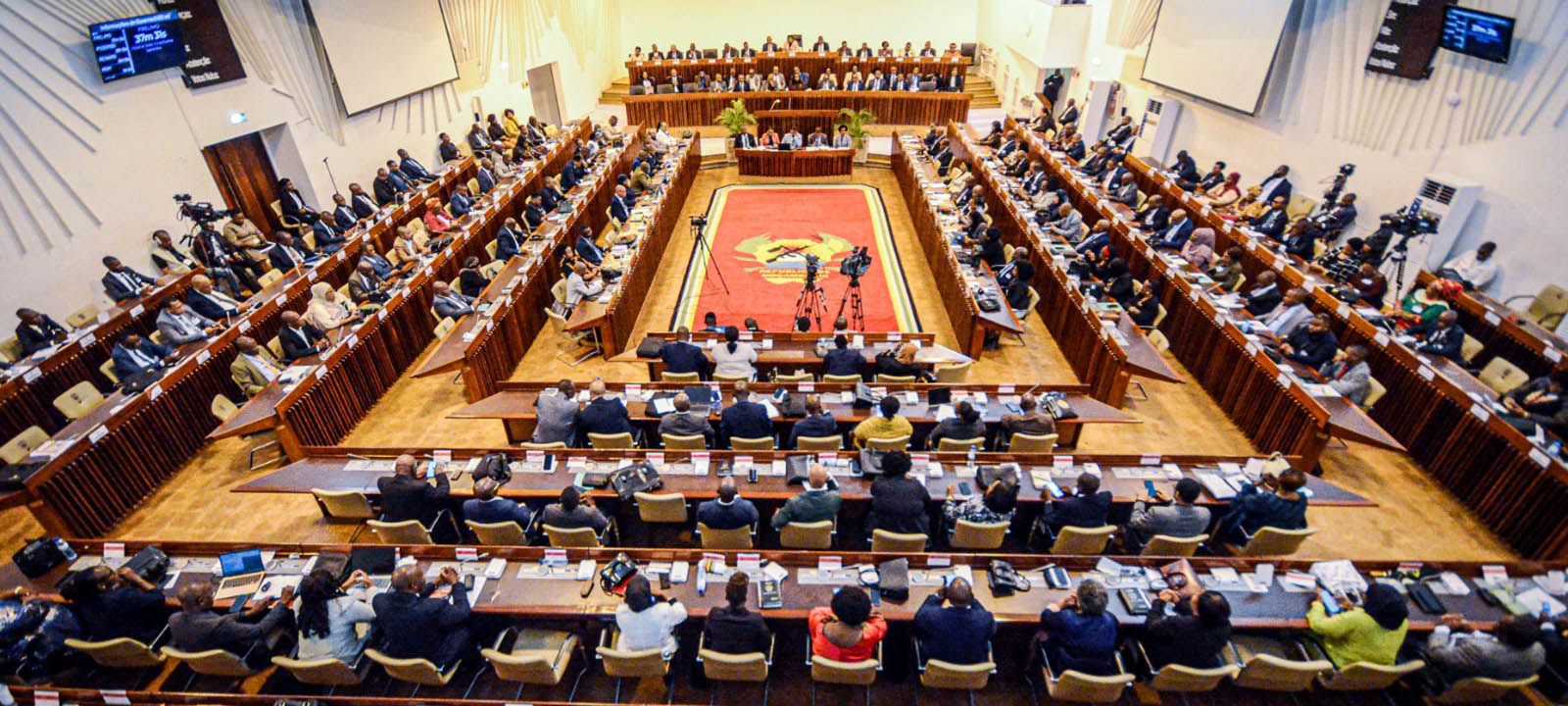
The Mozambican Parliament, known as the Assembleia da República, recently gave its endorsement to the annual report detailing the expected revenues from the nation's liquefied natural gas (LNG) exploration activities. This crucial document specifically outlines the financial projections for the year 2025, providing a forward-looking perspective on the economic benefits anticipated from the country's burgeoning energy sector. The approval by the Assembleia da República signifies a formal acknowledgment of these projected earnings, which are central to Moçambique's future economic planning and development initiatives.
However, this parliamentary action has been met with significant reservations from a key oversight body. The Supervisory Committee of the Sovereign Fund, tasked with ensuring the prudent management of the nation's wealth, has voiced strong complaints regarding its role in this process. The committee explicitly states that it feels "marginalized" in the broader framework governing the management of these substantial revenues. This complaint highlights a potential disconnect between the legislative approval of revenue reports and the practical involvement of bodies designed to safeguard public funds.
The report, which details the anticipated revenues from gas exploration for 2025, was formally submitted to the Parliament for its review and subsequent approval. This procedural step is a standard part of the legislative process for financial oversight. Yet, the accompanying dissent from the Sovereign Fund's Supervisory Committee introduces a layer of complexity, suggesting that while the formal process may be followed, underlying issues of participation and influence remain unresolved. The committee's public expression of feeling sidelined raises questions about the effectiveness of current governance structures for the nation's natural resource wealth.
The Role of Sovereign Fund Oversight
The establishment of a Sovereign Fund and its dedicated Supervisory Committee in Moçambique underscores the nation's commitment to responsible management of its natural resource wealth, particularly the substantial revenues derived from liquefied natural gas. Such funds are typically designed to ensure intergenerational equity, macroeconomic stabilization, and long-term economic development by carefully investing and disbursing proceeds from non-renewable resources. The committee's primary function is to provide an independent layer of scrutiny over the fund's operations and the broader management of these critical financial inflows.
The complaint from the Comité de Supervisão do Fundo Soberano regarding its marginalization in the management of revenues from Moçambique's gas sector is therefore a significant development. Effective oversight is paramount to prevent mismanagement, ensure transparency, and build public trust in how national resources are utilized. When an oversight body expresses such concerns, it suggests potential weaknesses in the mechanisms intended to guarantee accountability and proper governance over the vast sums expected from gas exploration.
The integrity of the process for managing these revenues, particularly those from natural gas liquefeito Moçambique, relies heavily on the active and empowered participation of all designated oversight bodies. If the Supervisory Committee is indeed being sidelined, it could undermine the very purpose of its existence, potentially leading to a less transparent and less accountable system for handling the nation's wealth. This situation brings into focus the critical importance of clearly defined roles and robust operational frameworks for all entities involved in the financial stewardship of national assets.
Implications for National Governance and Investment
The current situation, where the Assembleia da República has approved the 2025 gas revenue report while the Sovereign Fund's oversight committee voices concerns over marginalization, carries significant implications for national governance and the broader investment climate in Moçambique. The effective and transparent management of revenues from natural resources, especially from the burgeoning gas sector, is a cornerstone of economic stability and investor confidence. Any perception of a lack of robust oversight or transparency can deter future investments and impact the nation's creditworthiness.
The complaint from the Comité de Supervisão do Fundo Soberano highlights a potential challenge to the principles of good governance and accountability in the handling of public funds. For a nation like Moçambique, poised to become a major global player in natural gas, ensuring that all revenue streams are managed with the highest degree of integrity is crucial. The effective management of these revenues is not merely a financial exercise but a fundamental aspect of national development, impacting social programs, infrastructure, and economic diversification.
This development underscores the ongoing need for clarity and strength in the institutional frameworks governing Moçambique's resource wealth. The "gestão receitas gás Moçambique" must be seen as equitable and transparent by all stakeholders, both domestic and international. The committee's public complaint serves as a critical indicator that internal mechanisms for checks and balances may require re-evaluation to ensure that the nation's substantial gas revenues are indeed managed for the long-term benefit of all citizens, fostering stability and predictable regulatory environments for investors.
Practical Implications
Lawyers advising clients in Mozambique's energy sector or on public finance governance should monitor developments regarding the Sovereign Fund's oversight committee's complaints of marginalization. This situation could signal potential future legislative or regulatory changes concerning the management and transparency of natural gas revenues, impacting investment stability and compliance requirements.
Source
Source: Original reporting via O País
How does this affect you?
Get an AI analysis of this article grounded in your jurisdictions, practice areas, and any policy documents you've uploaded to Wansom.
Finish Reading the Full Story and the Expert Analysis.
Get the latest legal & regulatory intelligence in Mozambique
Wansom is AI and can make mistakes.