
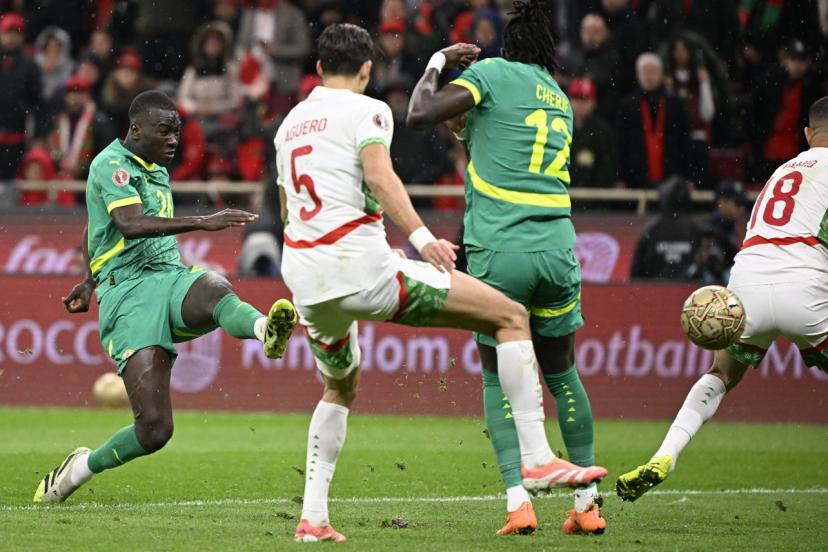
Swiss Federal Tribunal: Morocco Appeals TAS Verdict; Maitre Kabou Reacts
Summary
- Morocco has decided to appeal a Tribunal Arbitral du Sport (TAS) verdict concerning the CAN 2025 final to the Swiss Federal Tribunal.
- Lawyer Patrick Kabou reacted with irony to Morocco's decision, suggesting the appeal lacks serious merit.
- Kabou stated that the Swiss Federal Tribunal has more important matters than to entertain what he termed 'fanciful appeals.'
- He explicitly refrained from commenting on the substance of the original TAS ruling.
- Appeals to the Swiss Federal Tribunal against TAS decisions are typically limited to procedural irregularities, not the merits of the case.
Morocco's Appeal to Swiss Federal Tribunal
Kabou's commentary suggests a belief that the Swiss Federal Tribunal has more substantive matters to address than what he characterized as 'fanciful appeals,' implying a low probability of success for Morocco's recourse.
Following a verdict from the Tribunal Arbitral du Sport (TAS) concerning the contentious final of the CAN 2025, Morocco has opted to pursue further legal recourse by appealing the decision to the Swiss Federal Tribunal. This move signifies an escalation of the dispute, bringing it before Switzerland's highest court, which serves as the ultimate appellate body for decisions rendered by the TAS.
The specific details of the TAS verdict that prompted Morocco's appeal remain central to the ongoing legal saga. While the initial ruling from the Tribunal Arbitral du Sport addressed the core issues of the CAN 2025 final dispute, Morocco's decision to challenge it at the federal level underscores the perceived gravity of the matter for the national football federation.
Legal Context of TAS Appeals
The Swiss Federal Tribunal holds a specific and narrowly defined jurisdiction when reviewing decisions from the Tribunal Arbitral du Sport. Its role is not to re-examine the merits of the sporting dispute itself, nor to substitute its judgment for that of the TAS on factual or legal interpretations of sports regulations. Instead, appeals to the Swiss Federal Tribunal are typically limited to procedural irregularities, such as violations of due process, lack of jurisdiction by the TAS, or public policy concerns.
This restricted scope means that overturning a TAS decision at the federal level is an exceptionally high bar. Parties seeking to appeal must demonstrate fundamental flaws in the arbitration process rather than simply disagreeing with the outcome of the case. Understanding this legal framework is crucial for assessing the potential success of any such appeal, including the current Morocco football appeal Switzerland.
Maitre Kabou's Public Assessment
In response to Morocco's decision, lawyer Patrick Kabou offered a notably ironic and sarcastic commentary regarding the appeal to the Swiss Federal Tribunal. Kabou, while explicitly stating his intention not to comment on the substance of the original Tribunal Arbitral du Sport verdict, expressed strong skepticism about the utility of such a recourse. His remarks suggest a belief that the appeal lacks significant legal grounds that would warrant intervention from Switzerland's highest court.
Kabou's commentary suggests a belief that the Swiss Federal Tribunal has more substantive matters to address than what he characterized as 'fanciful appeals,' implying a low probability of success for Morocco's recourse. This public assessment from Maitre Kabou regarding the Morocco TAS appeal highlights the challenging nature of overturning arbitration decisions at this advanced stage, particularly when the grounds for appeal are perceived as weak or procedural deficiencies are not clearly evident.
Why It Matters
The public reaction from legal professionals like Maitre Kabou serves as an important indicator of the perceived strength, or lack thereof, of appeals against international sports arbitration decisions. His pointed remarks about the Swiss Federal Tribunal's role and the nature of the appeal underscore the high threshold required for successful challenges to TAS rulings. This perspective is particularly relevant for entities considering similar actions, as it reflects a common understanding within the legal community regarding the limited avenues for overturning such verdicts.
This situation involving Maitre Kabou, the Swiss Federal Tribunal, and Morocco's appeal provides a real-world example of the challenges and expectations surrounding the finality of sports arbitration. It reinforces the principle that the Tribunal Arbitral du Sport is generally considered the ultimate arbiter of sporting disputes, with subsequent appeals to national courts like the Swiss Federal Tribunal reserved for exceptional circumstances of procedural misconduct rather than a re-evaluation of the case's merits.
Practical Implications
This article highlights a lawyer's public assessment of the perceived merit, or lack thereof, in appealing a sports arbitration decision to the Swiss Federal Tribunal. Lawyers advising clients on international sports disputes or arbitration appeals should note such public commentary as it may reflect common perceptions of the tribunal's role and the likelihood of success for certain types of recourse.
Source
How does this affect you?
Get an AI analysis of this article grounded in your jurisdictions, practice areas, and any policy documents you've uploaded to Wansom.
Finish Reading the Full Story and the Expert Analysis.
Get the latest legal & regulatory intelligence in Senegal
Wansom is AI and can make mistakes.