
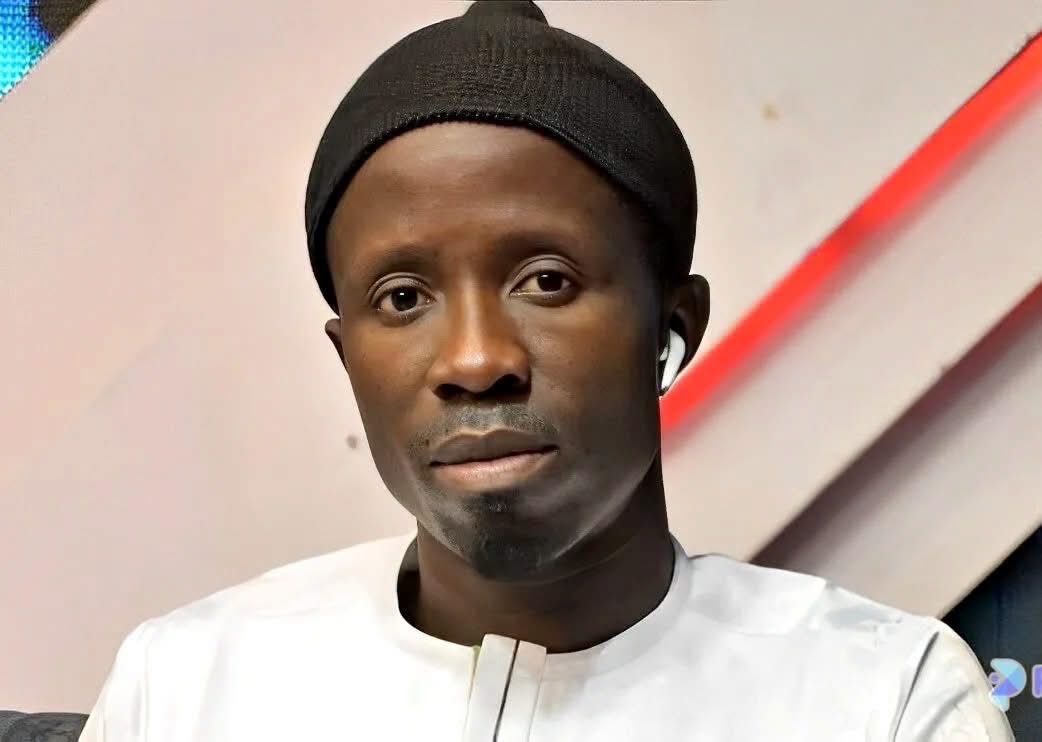
Abdou Nguer: Procès Flagrant Délit Dakar Set for December 2
Summary
- Columnist Abdou Nguer was placed under a detention order on November 26, 2026, by the Dakar court.
- He is scheduled for a summary trial, or "procès flagrant délit," on December 2, 2026.
- This marks his latest incarcération following multiple prior charges for disseminating false news.
- Nguer previously faced a detention order in April 2025 and was prosecuted in February 2026 for similar offenses.
- His lawyers criticized a previous trial postponement in February 2026, which prevented a provisional release request.
Latest Legal Action
For legal practitioners, this case serves as a pertinent example of the continued rigorous application of laws against spreading false news in Senegal, especially when involving public figures and commentators.
Columnist Abdou Nguer has been placed under a detention order following his appearance before the Dakar court. This measure, enacted on Thursday, November 26, 2026, ensures his continued custody ahead of his trial. A summary trial, known as a "procès flagrant délit," has been scheduled for him on Wednesday, December 2, in Dakar, marking a swift progression in the legal proceedings against him.
This recent incarcération of Abdou Nguer highlights the rigorous enforcement of laws pertaining to public commentary in Senegal. His upcoming trial on December 2, 2026, will proceed under the "flagrant délit" procedure, which is designed for expedited legal processes when an offense is considered to have been caught in the act or immediately thereafter. This accelerated judicial pathway means that the chroniqueur Abdou Nguer will face judgment quickly, underscoring the potential for rapid legal action against public figures accused of such offenses.
History of False News Allegations
This is not the first instance of Abdou Nguer facing legal challenges for allegedly disseminating false news. In April 2025, he was previously subjected to a mandat de dépôt alongside Pape Amadou Ndiaye Diaw, who was identified as the owner of a TikTok account operating under the name "Abdou Nguer Seul." During an interrogation conducted by gendarmes, Nguer acknowledged ownership of two distinct social media accounts: "Abdou Nguer officiel" and "Awa Nguer."
Further legal action was initiated against him in February 2026, once again on charges of spreading false information. This particular prosecution arose after Nguer publicly disputed a statement issued by the public prosecutor regarding the death of Abdoulaye Ba, a student at Cheikh Anta Diop University in Dakar. His trial, initially set for February 20, 2026, was subsequently postponed by the court to March 20, 2026. This postponement drew criticism from his legal representatives, who stated that the delay prevented them from submitting a request for his provisional release.
Legal Context and Implications
The repeated legal proceedings against Abdou Nguer, culminating in his current mandat de dépôt and impending procès flagrant délit Dakar, illustrate the Senegalese judiciary's consistent approach to allegations of false news dissemination. The use of the "flagrant délit" procedure for his December 2 hearing is particularly noteworthy. This mechanism is designed for immediate trial of offenses, often leading to rapid detention and judgment, which can significantly impact the defense strategy and the accused's ability to prepare.
For legal practitioners, this case serves as a pertinent example of the continued rigorous application of laws against spreading false news in Senegal, especially when involving public figures and commentators. The swiftness of the "flagrant délit" process, as seen in the scheduling of Abdou Nguer's trial for December 2, emphasizes the potential for rapid legal action against individuals who engage in public commentary deemed to violate these statutes. This highlights a critical aspect of the legal landscape for media personalities and online content creators in the region.
Practical Implications
Lawyers should note the continued rigorous application of laws against spreading false news in Senegal, particularly concerning public figures, and the use of summary trial procedures ('flagrant délit') which can lead to rapid detention and trial. This case highlights the potential for swift legal action against public commentators.
Source
Source: Original reporting via Senegal7
How does this affect you?
Get an AI analysis of this article grounded in your jurisdictions, practice areas, and any policy documents you've uploaded to Wansom.
Finish Reading the Full Story and the Expert Analysis.
Get the latest legal & regulatory intelligence in Senegal
Wansom is AI and can make mistakes.