
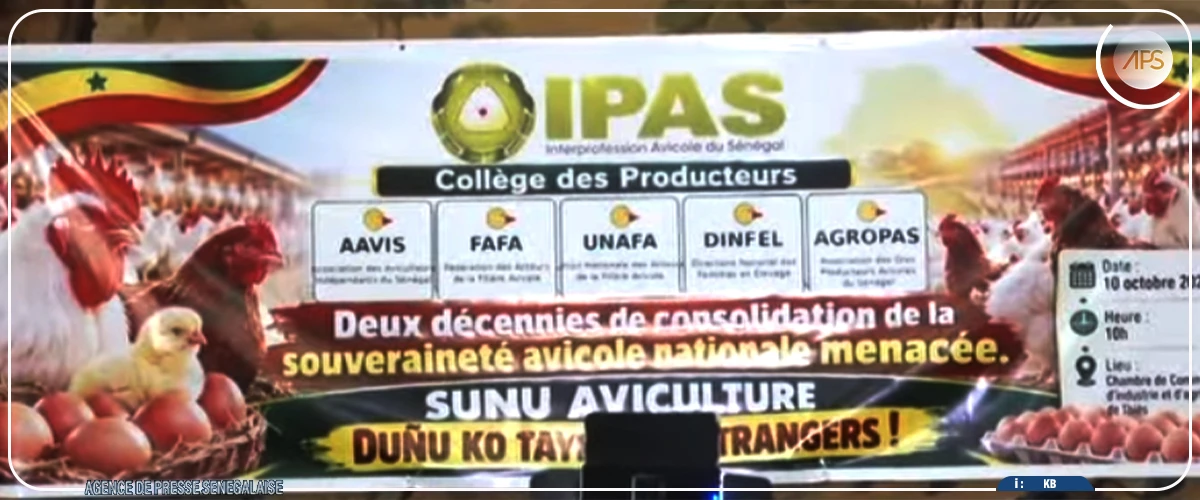
IPAS: Requests Moratoire Investisseurs Étrangers Sénégal Aviculture for Local Industry
Summary
- The Interprofession avicole du Sénégal (IPAS) has requested a temporary halt on two large industrial egg-laying projects by foreign investors.
- This "moratoire conservatoire" aims to protect Senegal's local poultry industry from foreign competition.
- IPAS specifically highlighted two foreign investors' projects as points of concern.
- The proposed projects involve significant capacity for industrial egg production.
- This action signals potential increased protectionism within Senegal's agricultural sector.
What Happened
The call for a "moratoire conservatoire Sénégal" indicates a desire for a pause in the approval or implementation of new foreign investment in the poultry sector, specifically targeting large-scale egg production.
The Interprofession avicole du Sénégal (IPAS) has formally requested a temporary halt, termed a "moratoire conservatoire," on two significant industrial egg-laying projects proposed by foreign investors within Senegal. This appeal was articulated in a memorandum presented by the professional body, which represents the local poultry sector.
The primary objective behind this proposed moratoire investisseurs étrangers Sénégal aviculture is to safeguard the domestic poultry industry, referred to as the "filière avicole locale." IPAS specifically drew attention to two particular projects initiated by foreign investors, highlighting their potential impact on the existing market. These new ventures are characterized by their substantial capacity for industrial egg production, suggesting a significant scale of operation that could introduce considerable competition.
Regulatory Context
The call for a "moratoire conservatoire Sénégal" indicates a desire for a pause in the approval or implementation of new foreign investment in the poultry sector, specifically targeting large-scale egg production. Such a measure is typically sought when local industries perceive an imminent threat from new market entrants, particularly those with substantial capital and operational scale from abroad. The Interprofession avicole du Sénégal's action underscores a proactive stance towards the régulation industrie locale Sénégal, aiming to manage the pace and nature of market development.
This move reflects a broader concern about the impact of unchecked investissement étranger filière avicole on the viability and growth of local producers. By advocating for a moratorium on these projets ponte industrielle Sénégal, IPAS is essentially lobbying for governmental intervention to protect established local businesses and ensure a more controlled expansion of the sector. It suggests that the existing market structure or capacity might be deemed sufficient, or that local players require time to adapt to potential new competition.
Why It Matters
The request for a moratoire investisseurs étrangers Sénégal aviculture carries significant implications for the investment climate in Senegal, particularly for foreign entities looking to enter or expand within the agricultural sector. It signals a potential shift towards increased protectionism for domestic industries, which could lead to more stringent regulatory hurdles and a more cautious approach to approving new foreign-backed projects.
For foreign investors, this development highlights the importance of understanding local industry dynamics and the political landscape before committing to large-scale projects. The actions of the Interprofession avicole du Sénégal could set a precedent for other local industry bodies seeking similar protective measures, potentially affecting diverse sectors beyond poultry. This situation underscores the need for thorough due diligence and engagement with local stakeholders to navigate the evolving regulatory environment in Senegal.
Practical Implications
Lawyers advising foreign investors in Senegal's agricultural sector should monitor this proposed moratorium as it signals potential increased protectionism and regulatory hurdles for new projects, particularly in the poultry industry.
Source
Source: Original reporting via APS
How does this affect you?
Get an AI analysis of this article grounded in your jurisdictions, practice areas, and any policy documents you've uploaded to Wansom.
Finish Reading the Full Story and the Expert Analysis.
Get the latest legal & regulatory intelligence in Senegal
Wansom is AI and can make mistakes.