
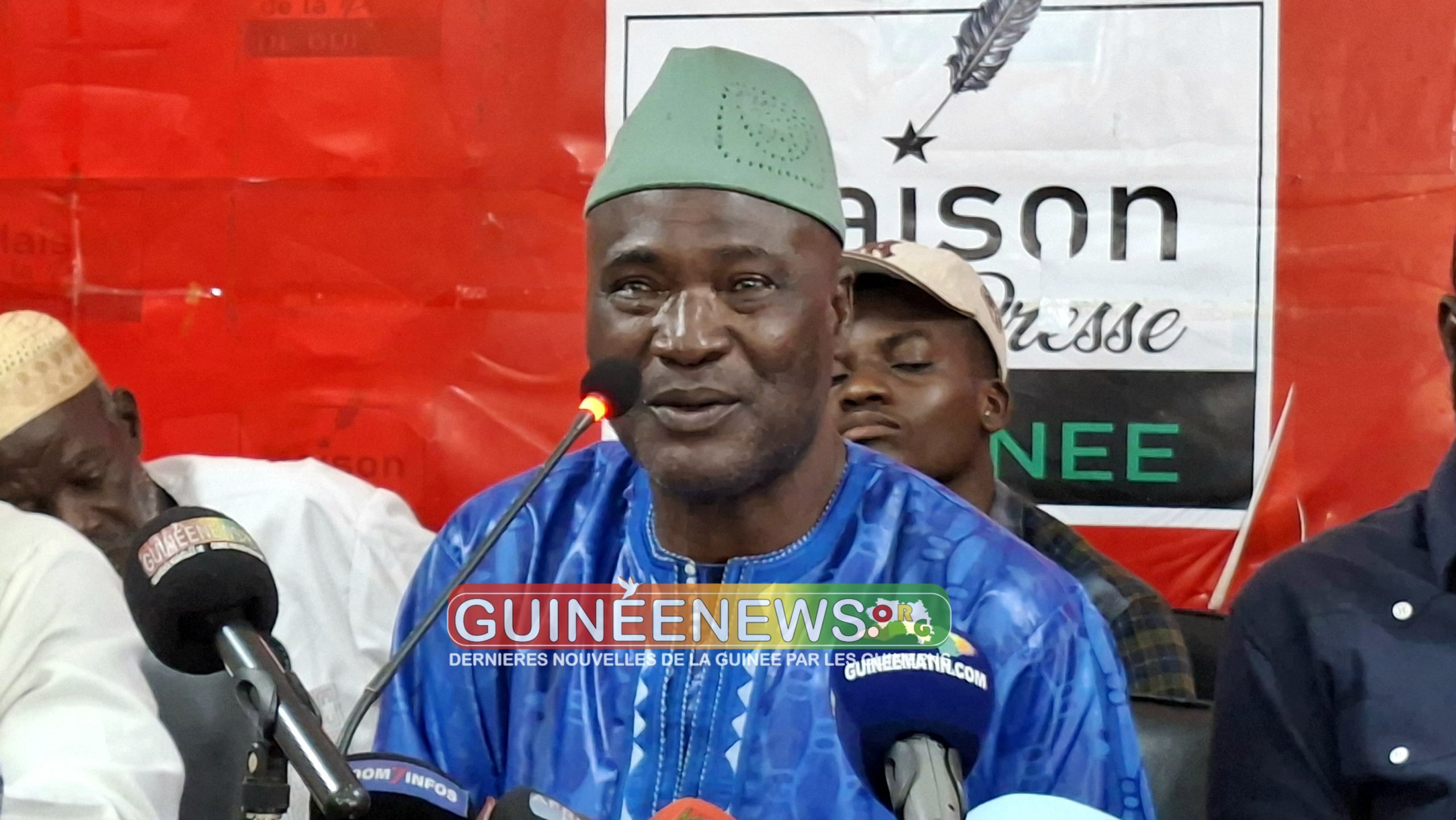
Mohamed Kourouma Hamana: Détaille Défis Secteur Privé Guinée: Investissement, Emploi
Summary
- Mohamed Kourouma, CEO of Société HAMANA, held a press conference in Conakry on October 6, 2026, to discuss challenges facing Guinea's private sector.
- He highlighted critical issues including employment generation and difficulties in attracting private investment.
- Kourouma specifically noted operational problems in supplying conditioned water, directly linking them to the ban on single-use plastic bags.
- His statements underscore the complex regulatory and operational hurdles that businesses in Guinea must navigate.
What Happened
The specific example of the impact of the single-use plastic bag ban on conditioned water supply illustrates the complex interplay between environmental policy and business operations.
Mohamed Kourouma, the Chief Executive Officer of Société HAMANA, recently convened a press conference in Conakry, Guinea. This event, held on Tuesday, October 6, 2026, served as a platform for the prominent economic operator to articulate significant challenges confronting the private sector within the nation. His remarks focused on several pressing economic issues that impact business operations and the broader Guinean economy.
Key Challenges for Private Sector
The CEO of Société HAMANA, Mohamed Kourouma, detailed a tripartite set of challenges that are significantly impeding the growth and stability of the private sector in Guinea. A primary concern he raised was the issue of employment, emphasizing the need for robust strategies to create sustainable job opportunities within the country. This speaks to the broader economic development goals and the role of private enterprises in achieving them.
Furthermore, Mr. Kourouma pointed to the persistent difficulties surrounding private investment in Guinea. He stressed that attracting and retaining capital remains a significant hurdle, impacting the capacity of businesses to expand, innovate, and contribute more substantially to the national economy. These investment challenges are often intertwined with regulatory frameworks, infrastructure deficits, and overall market predictability, creating a complex environment for potential investors.
A more specific operational challenge brought to light by Mr. Kourouma involved the supply of conditioned water. He explained that businesses engaged in this sector are facing considerable difficulties, directly attributing these issues to the recent ban on single-use plastic bags. This regulatory change, while potentially beneficial for environmental reasons, has introduced unforeseen complications for certain industries, illustrating the delicate balance between policy objectives and practical business operations.
Regulatory and Operational Context
The regulatory shift concerning single-use plastic bags in Guinea exemplifies the evolving landscape businesses must navigate. The ban, intended to address environmental concerns, has had a direct and significant impact on the supply chain for conditioned water, as articulated by Mohamed Kourouma. This situation highlights how environmental policies, even with good intentions, can create operational bottlenecks and necessitate adaptive strategies from the private sector.
The broader context for private investment in Guinea is characterized by a mix of opportunities and significant hurdles. The difficulties in attracting investment, as noted by the Société Hamana PDG, often stem from a combination of factors including perceived political instability, bureaucratic inefficiencies, and inadequate infrastructure. These elements collectively contribute to a challenging environment for companies seeking to establish or expand their footprint in the nation.
Addressing these multifaceted challenges requires a concerted effort from both public and private entities. The concerns raised by Mr. Kourouma regarding employment and investment underscore the need for a more conducive business environment, one that fosters growth while also considering the practical implications of new regulations on existing industries. The operational risks, particularly those arising from regulatory changes like the plastic bag ban, demand careful consideration and dialogue between policymakers and industry leaders.
Why It Matters
The insights provided by Mohamed Kourouma, CEO of Société HAMANA, offer a critical perspective on the current state and future prospects of the private sector in Guinea. His candid assessment of the Mohamed Kourouma Hamana défis secteur privé Guinée is vital for understanding the economic health of the nation and for informing strategies aimed at sustainable development. The issues of employment and private investment are foundational to Guinea's economic growth and stability.
The specific example of the impact of the single-use plastic bag ban on conditioned water supply illustrates the complex interplay between environmental policy and business operations. This situation serves as a crucial case study for policymakers and legal advisors, highlighting the importance of comprehensive impact assessments before implementing significant regulatory changes. For companies operating in or considering investment in Guinea, these challenges represent tangible risks that must be carefully evaluated.
Ultimately, the ability of Guinea to attract meaningful private investment and generate sufficient employment opportunities will depend heavily on its capacity to address these systemic issues. The concerns voiced by a prominent economic operator like Mr. Kourouma underscore the urgency of creating a more predictable, supportive, and efficient environment for businesses. This is not merely an operational concern for individual companies but a strategic imperative for the nation's overall economic trajectory.
Practical Implications
Lawyers should advise clients on the evolving regulatory landscape and operational risks for private sector investment in Guinea, particularly concerning employment, environmental compliance (plastic bag ban), and infrastructure challenges highlighted by the CEO of Hamana.
Source
How does this affect you?
Get an AI analysis of this article grounded in your jurisdictions, practice areas, and any policy documents you've uploaded to Wansom.
Finish Reading the Full Story and the Expert Analysis.
Get the latest legal & regulatory intelligence in Guinea
Wansom is AI and can make mistakes.