
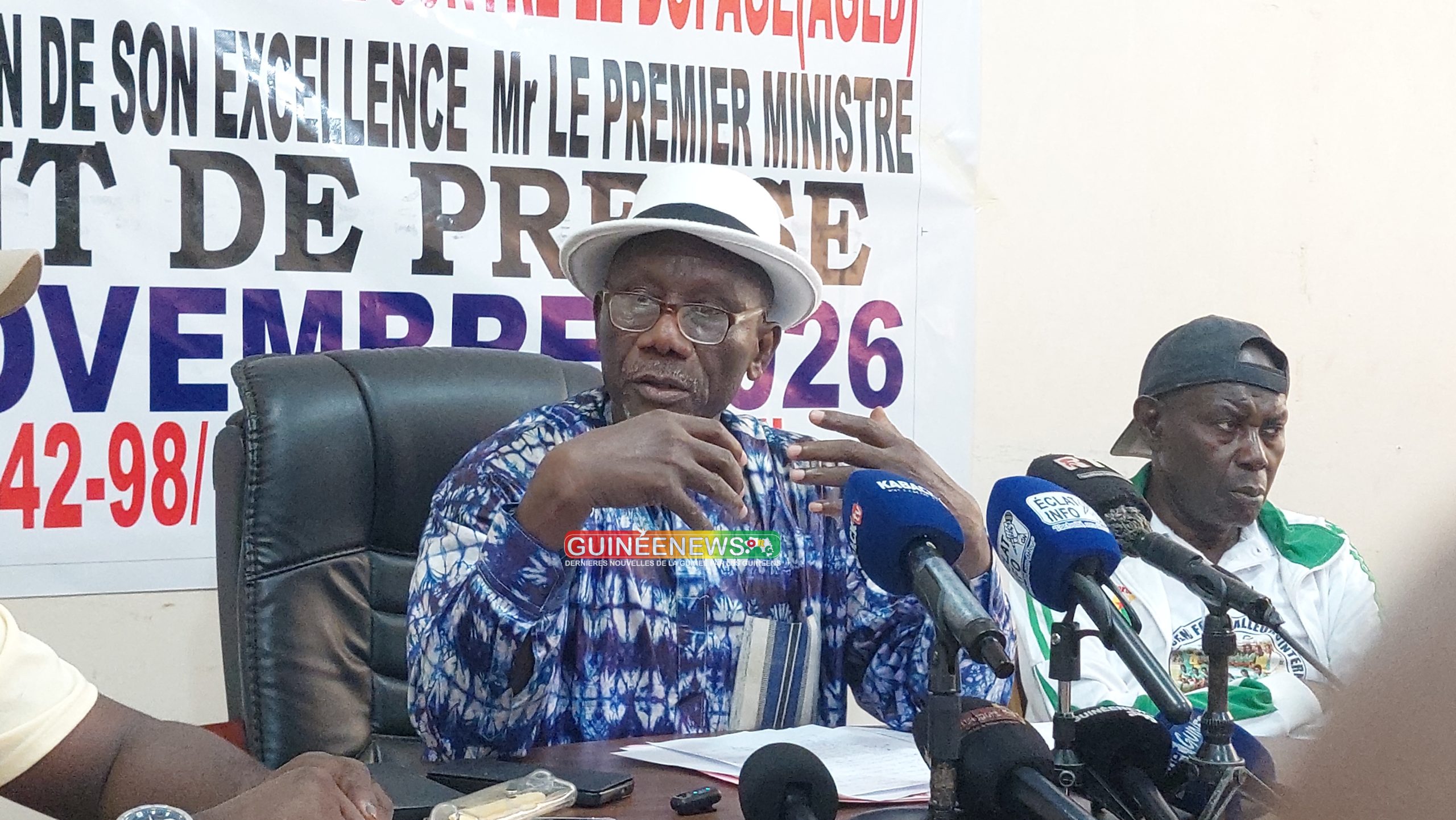
Agence Guinéenne Lutte Dopage Moyens: Critical Resource Shortfall
Summary
- The Agence guinéenne de lutte contre le dopage received a mission letter from the Prime Minister on August 31, 2026.
- The agency aims to intensify its activities to combat doping in Guinea.
- A significant lack of financial resources is severely impeding the agency's operations.
- Material resource deficiencies also hinder the implementation of its missions.
- Fodé Sanoussy Soumah, the agency's president, has highlighted these challenges.
Guinea's Anti-Doping Agency Faces Operational Hurdles
The absence of adequate financement agence dopage Guinée directly affects its ability to conduct essential operations, including educational outreach, intelligence gathering, and, most critically, the execution of regular contrôles anti-dopage Guinée.
The Agence guinéenne de lutte contre le dopage (AGLD) has been officially mandated to enhance the integrity of sports within Guinea, receiving a direct mission letter from the Prime Minister. This directive, issued on August 31, 2026, outlines the agency's crucial role in combating illicit performance enhancements. Despite this clear governmental backing and a forward-looking mandate, the AGLD is currently grappling with significant operational challenges that impede its ability to fully implement its designated responsibilities.
These impediments are primarily rooted in a profound scarcity of essential resources. Both financial and material provisions, which are fundamental for the effective functioning of any anti-doping body, are reported to be critically insufficient. This situation creates a substantial barrier to the agency's efforts to establish a comprehensive and effective framework for lutte anti-dopage Guinée, raising concerns about the immediate future of sports integrity in the nation.
Ambitious Goals Confront Resource Limitations
The Agence guinéenne de lutte contre le dopage has articulated a strong ambition to intensify its activities across the country, aiming to significantly bolster its presence and impact in the fight against doping. This strategic objective reflects a commitment to upholding fair play and protecting athletes. However, the current reality presents a stark contrast to these aspirations, as the agency finds itself constrained by its limited capacity.
The absence of adequate financement agence dopage Guinée directly affects its ability to conduct essential operations, including educational outreach, intelligence gathering, and, most critically, the execution of regular contrôles anti-dopage Guinée. Without the necessary financial lifelines, the agency struggles to fund personnel, procure vital equipment, and maintain the infrastructure required for a robust anti-doping program.
Fodé Sanoussy Soumah, who serves as the president of the Agence guinéenne de lutte contre le dopage, has openly acknowledged these profound difficulties. He has highlighted how the existing resource deficits are severely hampering the agency's capacity to fulfill the core missions outlined in its mandate, despite the clear intent to expand its operations and enforce stricter anti-doping measures.
The Impact of Material and Financial Shortfalls
The operational effectiveness of the Agence guinéenne de lutte dopage moyens is directly undermined by the pronounced lack of both monetary and physical assets. The financial constraints mean that even basic administrative functions and the more complex processes of sample collection and analysis are difficult to sustain. This creates a bottleneck in the entire anti-doping chain, from initial suspicion to final adjudication.
Beyond financial limitations, the scarcity of material resources poses another significant hurdle. This includes a deficit in specialized equipment necessary for conducting thorough and reliable tests, as well as logistical support for field operations. Without these tools, the agency's ability to perform comprehensive contrôles anti-dopage Guinée is severely compromised, potentially allowing doping practices to go undetected.
Consequently, while the AGLD is officially charged with a vital role in ensuring clean sport, the current state of its resources means that its capacity to act decisively and broadly is limited. The agency's leadership, including Fodé Sanoussy Soumah, is faced with the challenge of pursuing an ambitious agenda for lutte anti-dopage Guinée with insufficient means, creating a gap between its mandate and its practical execution.
Practical Implications
Lawyers advising athletes or sports organizations in Guinea should note the current operational challenges faced by the Agence guinéenne de lutte contre le dopage, which may temporarily impact the frequency or thoroughness of anti-doping controls. However, the agency's stated ambition to intensify activities signals a future intent for stricter enforcement, requiring clients to maintain full compliance readiness.
Source
How does this affect you?
Get an AI analysis of this article grounded in your jurisdictions, practice areas, and any policy documents you've uploaded to Wansom.
Finish Reading the Full Story and the Expert Analysis.
Get the latest legal & regulatory intelligence in Guinea
Wansom is AI and can make mistakes.