
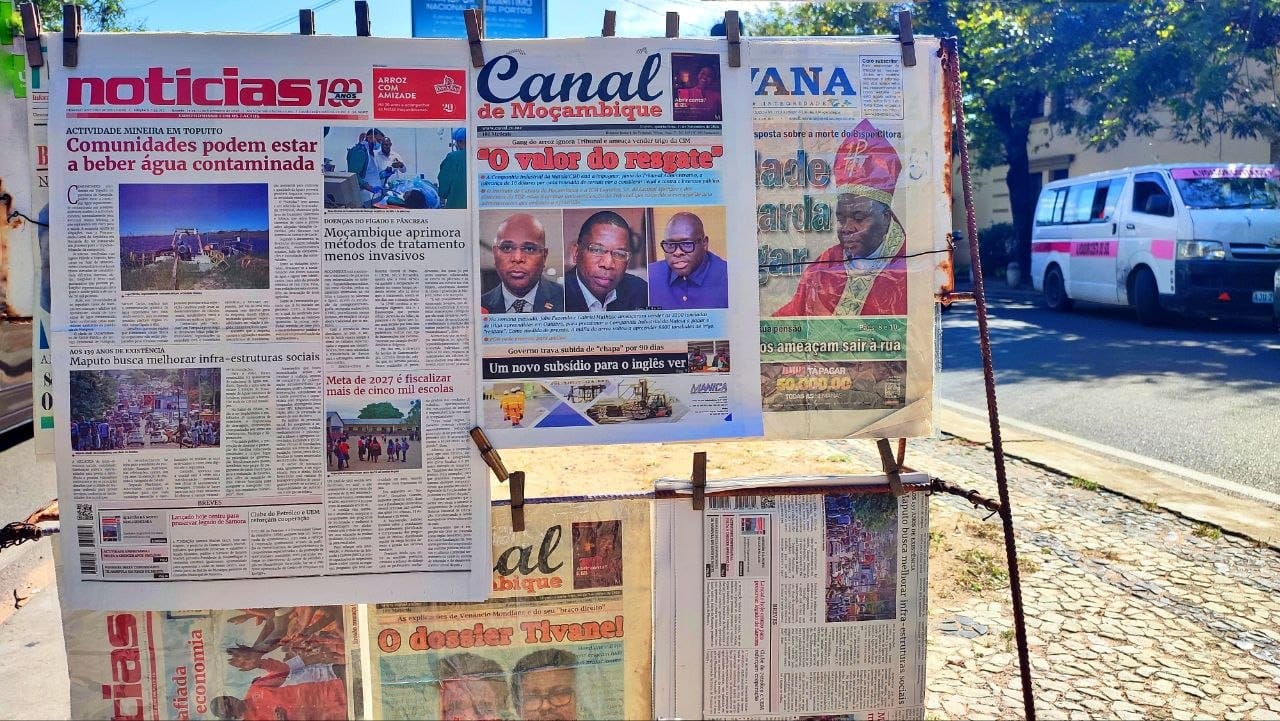
Mozambique Inactive Mining Titles Report: Court Finds Widespread Dormancy
Summary
- Mozambique's Administrative Court identified 169 mining concessions and 371 small-scale certificates as inactive.
- Many of these titles, including 67 concessions and 72 certificates, have been dormant for over a decade without justified extensions.
- The court recommended tighter supervision of license holders, their financial capacity, and development progress.
- A new Mining Law (Law 7/2026) was introduced five months prior, aiming to address inactivity with stricter requirements and deadlines.
- The court's findings suggest a historical failure in enforcing existing regulations, rather than a lack of adequate legislation.
Court Highlights Widespread Inactivity
The Administrative Court's findings strongly suggest that the core issue has been a failure to enforce existing regulations, rather than a mere deficiency in the legal framework itself.
A recent assessment by Mozambique's Administrative Court has brought to light a significant number of inactive mining titles across the nation. The court's review of the 2025 State General Account revealed that 169 holders of mining concessions and 371 holders of small-scale mining certificates have yet to commence any operational activities. This extensive dormancy underscores a persistent challenge within the country's extractive sector.
Further scrutiny by the Administrative Court indicated that a substantial portion of these inactive titles have remained dormant for an extended period. Specifically, 67 concession holders and 72 certificate holders have shown no activity for over a decade. The court noted a critical absence of evidence suggesting that the government had granted extensions based on force majeure, which would typically be required to justify such prolonged delays in development. In response to these findings, the court issued recommendations for more rigorous oversight of license holders, emphasizing the need to assess their financial capacity and monitor their progress toward development.
New Law Aims to Boost Compliance
These revelations from the Administrative Court emerge just five months after Mozambique enacted a new legislative framework, Mining Law 7/2026, which appears specifically designed to address the very issues of inactivity and non-compliance. This updated legislation introduces stricter requirements for new applicants, mandating demonstrations of both technical experience and adequate financial resources before titles are granted. The law also imposes clear operational deadlines for concession holders, requiring them to initiate mine development within 24 months of receiving their title and to begin production within 48 months.
Furthermore, Law 7/2026 tightens controls over the transfer of mining rights. It stipulates that any transfer, including indirect changes in ownership through company shareholdings, must receive explicit government approval. These provisions collectively aim to ensure that only capable and committed entities hold mining titles, thereby reducing the prevalence of inactive mining licenses in Mozambique and fostering greater Mozambique mining title compliance.
Enforcement Gaps Under Previous Legislation
Despite the forward-looking measures in Law 7/2026, the new legislation includes protective clauses for rights acquired under existing mining concessions and contracts. This means that the more stringent provisions of the 2026 law will only apply when these existing titles are extended or their contracts renewed. Consequently, many of the inactive concessions identified by the Administrative Court could continue to operate under the previous legal framework for several years, potentially delaying the full impact of the new law.
Crucially, the Administrative Court's findings also highlighted that the problem of Mozambique mining concessions without operations was not solely due to inadequate past legislation. The 2014 Mining Law already contained provisions for development deadlines and allowed for extensions only when delays were properly justified. The court's report therefore strongly suggests that the core issue has been a failure to enforce existing regulations, rather than a mere deficiency in the legal framework itself, indicating a need for more robust Mozambique Mining Law 7/2026 enforcement.
Implications for Title Holders
The Administrative Court's comprehensive report on Mozambique's inactive mining titles, coupled with the recent introduction of Law 7/2026, signals a clear shift towards increased regulatory scrutiny within the sector. This heightened attention from the Mozambique Administrative Court mining authorities implies that even existing concession holders, whose titles may still be governed by the 2014 Mining Law, should anticipate stricter enforcement of development deadlines and operational commitments. The court's emphasis on the lack of justified extensions for prolonged inactivity underscores a reduced tolerance for dormant projects.
This evolving landscape necessitates that all entities holding Mozambican mining titles proactively review their operational status and ensure full compliance with both the 2014 and the newly enacted 2026 Mining Laws. The findings serve as a critical warning that the government is prepared to take action against non-operational concessions, regardless of the specific legal framework under which they were initially granted, emphasizing the importance of active development and adherence to regulatory obligations.
Practical Implications
Lawyers and compliance officers with clients holding Mozambican mining titles should advise them to review their operational status and compliance with both the 2014 and 2026 Mining Laws, as the Administrative Court's findings signal increased regulatory scrutiny and potential for stricter enforcement of development deadlines, even for existing concessions.
Source
How does this affect you?
Get an AI analysis of this article grounded in your jurisdictions, practice areas, and any policy documents you've uploaded to Wansom.
Finish Reading the Full Story and the Expert Analysis.
Get the latest legal & regulatory intelligence in Mozambique
Wansom is AI and can make mistakes.