
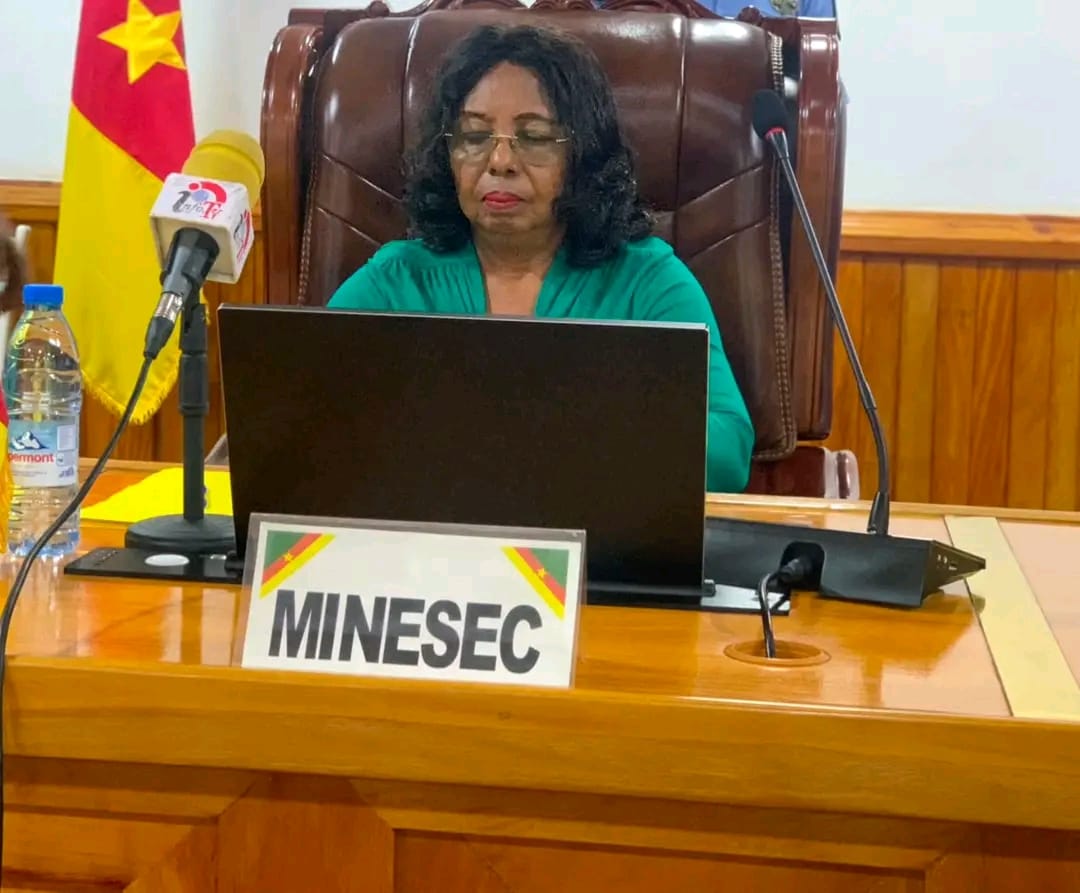
MINESEC Cameroun: Ferme 105 Écoles Privées Non Conformes
Summary
- On July 20, 2026, Cameroon's Ministry of Secondary Education (MINESEC) ordered the closure of 105 private educational establishments.
- The closures, effective before the 2026/2027 academic year, target non-compliant institutions as part of a sector "clean-up" campaign.
- The Littoral region was most affected with 52 closures, while the Est, Nord, and Extrême-Nord regions had no establishments concerned.
- The government aims to ensure safe and legal learning environments and encourages parents to verify school accreditation.
- The action addresses the proliferation of "boutique schools" lacking proper facilities, qualified teachers, and official accreditation.
Recent Regulatory Action
Lawyers advising private educational institutions in Cameroon must ensure their clients rigorously comply with MINESEC regulations to avoid similar closures.
On July 20, 2026, the Ministry of Secondary Education (MINESEC) in Cameroon issued a directive for the closure of 105 private educational establishments nationwide. This significant action targets institutions deemed non-compliant with regulatory standards, effective before the commencement of the 2026/2027 academic year. The decision underscores a concerted effort by the MINESEC to address systemic issues within the private education sector.
The impact of this measure is unevenly distributed across the national territory. The Littoral region bears the brunt of the closures, with 52 establishments affected, representing the highest number. Following behind are the Sud-Ouest region, which saw 11 closures, and the Nord-Ouest region, with 5 institutions ordered to cease operations. Conversely, three regions—Est, Nord, and Extrême-Nord—reported no closures, indicating varying levels of compliance or enforcement across the country.
This sweeping move by the MINESEC, which effectively sees 105 private schools in Cameroon closed, is part of an explicit campaign to "clean up" the sector. The stated objective is to ensure that all learning environments are both safe and legally compliant. This initiative, coming just weeks before the new academic year, signals a heightened commitment from the government to enforce educational standards and protect students.
Underlying Issues and Objectives
The recent MINESEC decision to close 105 private establishments in Cameroon emerges against a backdrop of the private sector's expanding role in providing educational services. While private institutions are increasingly vital to the national education landscape, this growth has unfortunately been accompanied by the proliferation of what are colloquially termed "boutique schools." These establishments frequently operate without adequate infrastructure, lacking properly adapted classrooms, and often employ unqualified teaching staff.
A critical concern highlighted by the MINESEC's actions is the issue of official accreditation. Many of these non-compliant private schools in Cameroon are reportedly operating without the necessary government approvals, posing significant risks to the quality of education and the safety of students. The "assainissement" operation, therefore, seeks to rectify these widespread deficiencies and uphold the integrity of the educational system.
Beyond the immediate sanctions, the government's broader aim is to instill a greater sense of responsibility among all stakeholders. This includes a direct appeal to parents, urging them to diligently verify the legal status and accreditation of any educational institution before enrolling their children for the upcoming 2026/2027 school year. This emphasis on parental due diligence underscores a shift towards shared accountability in ensuring educational quality and compliance.
Implications for Stakeholders
The MINESEC's sanctions against 105 private schools in Cameroon carry significant implications for the nation's educational landscape and its legal framework. For the affected institutions, the closure represents an immediate cessation of operations, impacting thousands of students and staff who must now seek alternative arrangements for the 2026/2027 academic year. This decisive action sends a clear message to all private educational providers about the non-negotiable nature of regulatory compliance.
From a legal and advisory perspective, this campaign, which has led to the MINESEC decision to close 105 schools, underscores the critical importance for lawyers advising private educational institutions in Cameroon. They must ensure their clients rigorously comply with MINESEC regulations to avoid similar closures. This includes meticulous attention to facility standards, teacher qualifications, and, crucially, obtaining and maintaining all necessary official accreditations. The ongoing "assainissement" campaign signals an environment of heightened scrutiny.
Furthermore, this development signals increased due diligence requirements for investors or partners considering involvement in the Cameroonian private education sector. Any entity looking to engage with private schools must now conduct thorough legal and operational audits to confirm full compliance with national standards. The widespread Cameroun fermeture établissements privés highlights a robust regulatory environment where non-conformity will not be tolerated, making adherence to the réglementation enseignement privé Cameroun paramount for sustained operation and growth.
Practical Implications
Lawyers advising private educational institutions in Cameroon must ensure their clients rigorously comply with MINESEC regulations to avoid closure, especially given the ongoing 'assainissement' campaign. This also signals increased due diligence requirements for investors or partners in the Cameroonian private education sector.
Source
How does this affect you?
Get an AI analysis of this article grounded in your jurisdictions, practice areas, and any policy documents you've uploaded to Wansom.
Wansom is AI and can make mistakes.