
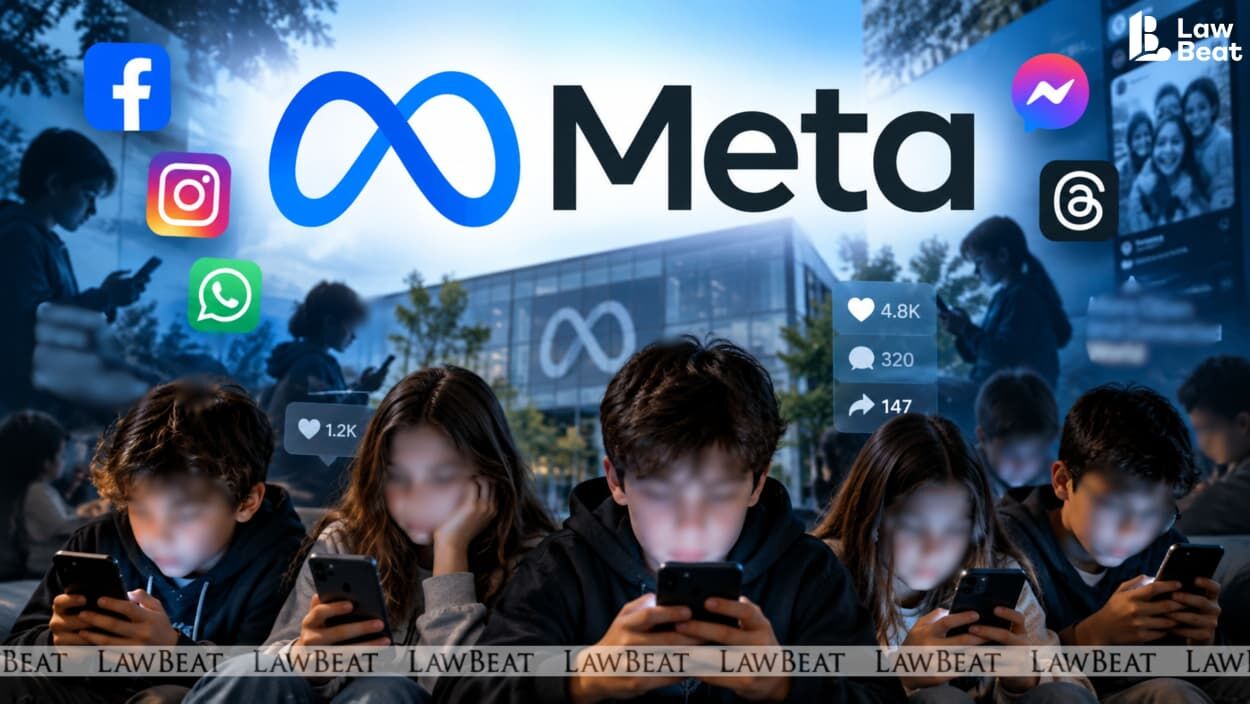
Meta: Direct Reporting to India Cybercrime Portal for Child Safety
Summary
- Meta has agreed to directly report child safety cases to India's cybercrime portal, managed by the Indian Cybercrime Coordination Centre (I4C).
- This marks a shift from Meta's previous practice of reporting such cases to the US-based National Center for Missing and Exploited Children (NCMEC).
- The move follows intense government scrutiny and actions, including a MeitY notice and NCPCR inquiry, regarding alleged child sexual abuse material on Meta's platforms.
- Indian authorities have clarified that child sexual exploitation violates Indian law and is not covered by intermediary safe-harbor provisions.
- While welcomed, the government indicates this direct reporting is a step but not sufficient, expecting platforms to implement more comprehensive proactive measures.
Meta Establishes Direct Reporting Channel for Child Safety in India
Indian government officials have unequivocally stated that the online safety of children is a 'fundamental principle' for any platform operating within India, declaring it 'non-negotiable.'
Meta has formalized a new agreement to directly report child safety incidents to Indian authorities, marking a significant change in its engagement with the nation's law enforcement. The social media giant will now channel these reports through the cybercrime portal overseen by the Indian Cybercrime Coordination Centre (I4C). This move comes as the Indian government escalates its oversight of social media platforms concerning child sexual abuse material (CSEAM), deepfakes, and other illicit online content.
A company spokesperson affirmed Meta's commitment to child protection on its platforms, emphasizing its dedication to collaborating with the government to ensure perpetrators are held accountable. This new direct reporting mechanism replaces Meta's previous practice of submitting child safety cases to the US-based National Center for Missing and Exploited Children (NCMEC).
Government sources have highlighted Meta as the first major technology intermediary to publicly commit to such a direct reporting framework with Indian law enforcement agencies. This development underscores a broader push by the Centre for social media companies to enhance their systems for more effective responses to child sexual exploitation and abuse material, alongside other harmful content.
Intensifying Regulatory Scrutiny and Enforcement
This shift by Meta occurs amidst increasing pressure from the Indian government on major social media platforms to bolster safeguards for children and proactively identify and remove illegal content. Indian government officials have unequivocally stated that the online safety of children is a 'fundamental principle' for any platform operating within India, declaring it 'non-negotiable.' They have also issued warnings that platforms failing to implement proactive measures to protect minors could face punitive actions.
The Centre's intensified focus on Meta specifically follows a series of actions by Indian authorities concerning alleged child sexual exploitation material found on its platforms. In July, the Ministry of Electronics and Information Technology (MeitY) issued a formal notice to Meta regarding advertisements on Instagram that purportedly promoted or facilitated access to CSEAM. The ministry instructed Instagram to disable these advertisements and associated content, simultaneously demanding a comprehensive explanation from the company.
Subsequent discussions between the IT Ministry and Meta executives clarified the government's position: content involving child sexual exploitation and abuse constitutes a violation of Indian law and cannot be shielded by the safe-harbor provisions typically available to intermediaries. Furthermore, the Centre has summoned senior global Meta executives as part of its ongoing efforts to compel social media platforms toward swifter removal of harmful content and the implementation of more robust protective measures.
Broader Implications for Social Media Intermediaries
Adding to the regulatory pressure, the National Commission for Protection of Child Rights (NCPCR) earlier this month summoned both Meta India's managing director and its head of India. This summons was part of an inquiry into alleged advertisements related to CSEAM. The child rights body initiated this inquiry after taking suo motu cognisance of a media report by BBC Eye concerning the aforementioned alleged advertisements, seeking an explanation from Meta.
While the establishment of this direct reporting arrangement is acknowledged as a positive step towards strengthening the response to online child sexual exploitation, government reports indicate that it will not be considered sufficient on its own. Indian authorities expect platforms to go beyond mere reporting, implying a need for more comprehensive and proactive measures.
The government is actively engaged in discussions with other online platforms, aiming to ensure they also adopt similar steps to detect and remove such illicit material. This signals a broader regulatory trend, indicating that all social media intermediaries operating in India will likely face increasing demands to establish robust, direct reporting mechanisms for illegal content, particularly concerning child safety.
Practical Implications
This development signals increased regulatory pressure on all social media intermediaries in India to establish direct reporting mechanisms for illegal content, particularly CSEAM. Compliance officers should review their platforms' current reporting frameworks and anticipate similar demands from Indian authorities to avoid potential enforcement actions or loss of safe harbor protections.
Source
How does this affect you?
Get an AI analysis of this article grounded in your jurisdictions, practice areas, and any policy documents you've uploaded to Wansom.
Finish Reading the Full Story and the Expert Analysis.
Get the latest legal & regulatory intelligence in India
Wansom is AI and can make mistakes.