
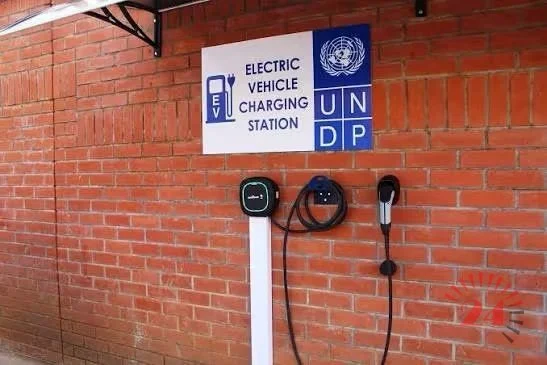
MERA Malawi: Plans EV Charging Stations at Fuel Stations
Summary
- The Malawi Energy Regulatory Authority (MERA) is planning to introduce electric vehicle (EV) charging stations.
- These new charging facilities will be strategically located at selected filling stations across Malawi.
- MERA's involvement indicates the development of new regulatory frameworks and licensing requirements for EV charging infrastructure.
- This initiative is expected to drive investment and transform Malawi's energy and transport sectors.
Strategic Rollout of EV Charging Infrastructure
MERA's direct involvement in the rollout of MERA Malawi EV charging stations underscores its pivotal role in shaping the regulatory environment for electric mobility.
The Malawi Energy Regulatory Authority (MERA) is actively planning the introduction of electric vehicle (EV) charging stations across the nation. This initiative focuses on strategically integrating these new charging points within existing infrastructure, specifically targeting selected filling stations throughout Malawi.
This move by MERA signals a proactive approach to developing the necessary support systems for the anticipated growth of electric vehicle adoption. By leveraging established fuel station networks, the authority aims to ensure accessibility and convenience for future EV owners, laying foundational groundwork for a sustainable transport future in the country.
Emerging Regulatory Landscape for EV Charging
MERA's direct involvement in the rollout of MERA Malawi EV charging stations underscores its pivotal role in shaping the regulatory environment for electric mobility. As the primary energy regulator, its strategic oversight suggests that the establishment and operation of these charging facilities will fall under a new or adapted set of EV charging regulations Malawi.
This development implies that stakeholders, particularly current fuel station operators and prospective energy service providers, should anticipate forthcoming licensing requirements, technical standards, and operational guidelines. The move to incorporate fuel station EV charging Malawi facilities will necessitate clear compliance obligations to ensure safety, reliability, and fair market practices within the nascent Malawi electric vehicle infrastructure.
Implications for Malawi's Energy and Transport Sectors
The strategic deployment of EV charging stations by MERA represents a significant step towards modernizing Malawi's energy and transport sectors. This initiative is poised to catalyze investment opportunities in renewable energy generation, grid upgrades, and the broader electric vehicle supply chain.
For legal and compliance professionals, this signals a critical period to advise clients on potential strategic partnerships and market entry strategies. Businesses involved in energy, automotive, and infrastructure development should closely monitor MERA's official announcements for detailed guidelines, as the regulatory framework for electric vehicle charging infrastructure in Malawi begins to take definitive shape, promising a transformative impact on the nation's economic and environmental landscape.
Practical Implications
This development signals upcoming regulatory frameworks and potential investment opportunities in Malawi's energy and transport sectors. Lawyers should advise clients (e.g., fuel station operators, energy companies, automotive industry players) on anticipated licensing requirements, compliance obligations, and strategic partnerships related to electric vehicle charging infrastructure. Compliance officers need to monitor MERA's official announcements for new guidelines and standards.
Source
Source: Original reporting via Malawi24
How does this affect you?
Get an AI analysis of this article grounded in your jurisdictions, practice areas, and any policy documents you've uploaded to Wansom.
Finish Reading the Full Story and the Expert Analysis.
Wansom is AI and can make mistakes.