
Malawi Parliament Launches 12 Probes Into National Issues
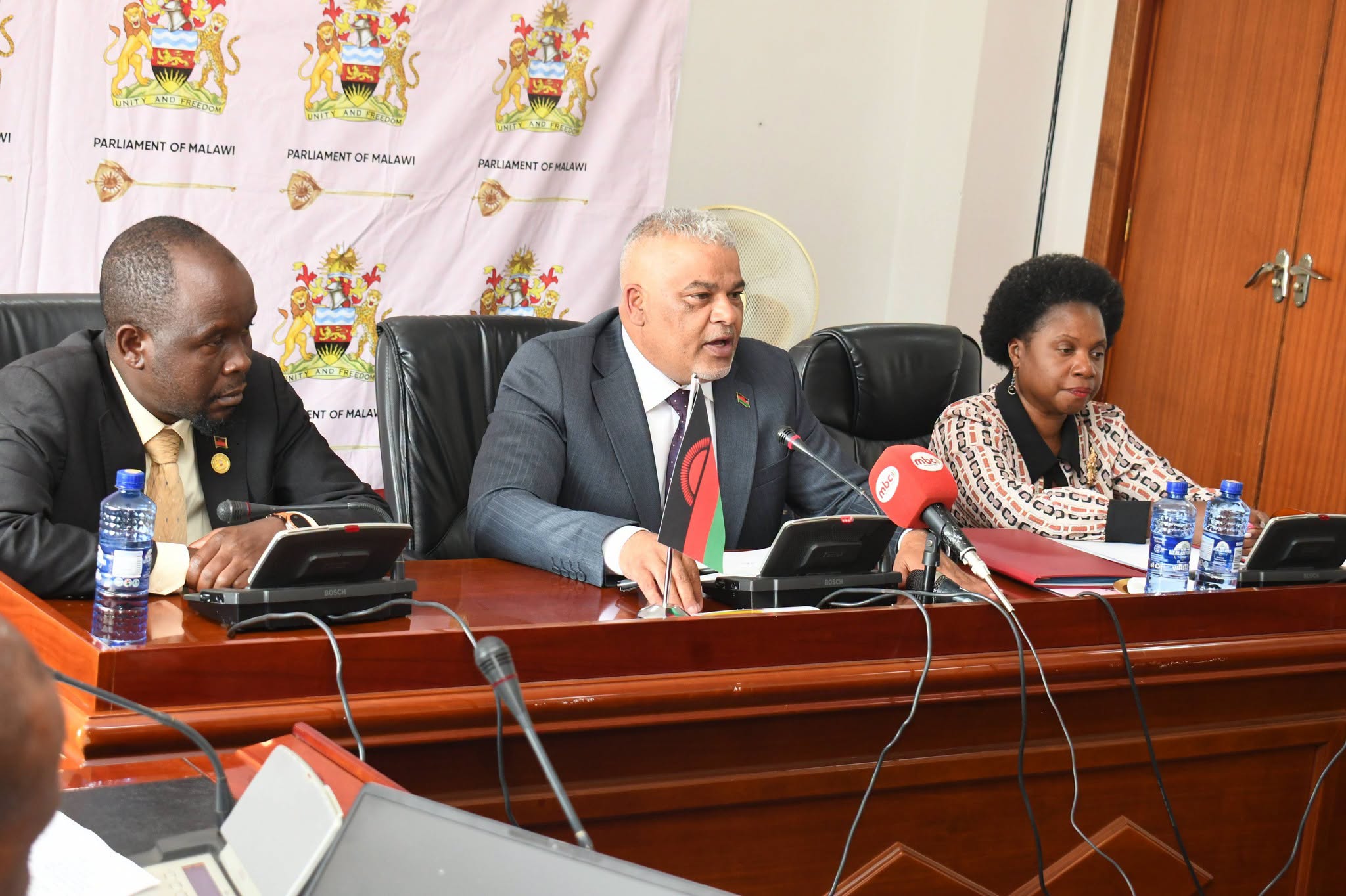
The Parliament of Malawi, through Speaker Sameer Suleman, yesterday announced the initiation of 12 parliamentary investigations into critical national issues, including fuel supply, electricity, and pensions. These wide-ranging probes, unveiled during a media briefing in Lilongwe, will be conducted by joint parliamentary committees. The Speaker emphasized Parliament's constitutional responsibility to ensure accountability across various sectors, with other areas of investigation including mining, passport services, prison conditions, and the distribution of fertiliser coupons.
This development signifies a robust exercise of parliamentary oversight powers, which is fundamental to democratic governance and accountability in Malawi. For legal practitioners, these investigations are highly significant as they could lead to legislative reforms, policy adjustments, or even recommendations for criminal prosecution, thereby impacting numerous sectors and businesses. Companies operating in the identified areas, such as energy, mining, financial services, and agriculture, may face increased scrutiny, potential regulatory changes, or public inquiries. The findings from these probes could also lay the groundwork for future litigation, particularly concerning public procurement, human rights, or environmental compliance.
The legal context for these investigations is rooted in the Constitution of Malawi, specifically Chapter VI, which delineates the legislative authority and oversight functions of the National Assembly. Section 69(1) of the Constitution empowers Parliament to summon any person to provide evidence or produce documents, granting these committees significant investigative powers. The establishment of joint parliamentary committees is a standard procedural mechanism under parliamentary standing orders, allowing for comprehensive and cross-sectoral examination of issues. While the investigations themselves are not judicial proceedings, their findings can inform actions by the Executive, the Anti-Corruption Bureau, or other regulatory bodies, and may even influence judicial review processes if administrative decisions are found to be unlawful.
Key parties involved include the Parliament of Malawi, Speaker Sameer Suleman, the various joint parliamentary committees, and potentially government ministries, departments, state-owned enterprises, and private companies operating in the sectors under investigation. Attorneys should closely monitor the progress and findings of these parliamentary investigations, especially if their clients operate in the affected sectors. Businesses should prepare for potential requests for information, appearances before committees, or public scrutiny. Legal professionals must advise clients on their rights and obligations during parliamentary inquiries, including issues of privilege and confidentiality, and assist in preparing comprehensive responses. The outcome of these investigations is not yet reported, as they have just been initiated.
How does this affect you?
Get an AI analysis of this article grounded in your jurisdictions, practice areas, and any policy documents you've uploaded to Wansom.
Finish Reading the Full Story and the Expert Analysis.
Wansom is AI and can make mistakes.