
MDVC RDC: Demands Robust Contrôle Parlementaire RDC Via Interpellation
Summary
- The Mouvement d’élites pour la Démocratie et le Vrai Changement (MDVC), an extra-parliamentary opposition group, has called for rigorous oversight of the government in the Democratic Republic of Congo.
- The MDVC issued an interpellation note on Wednesday in Kinshasa, urging the National Assembly and Senate to exercise uncompromising control.
- This demand, made at the start of the ordinary parliamentary session, targets 14 specific socio-economic and security concerns.
- The initiative aims to increase governmental accountability and transparency through legislative scrutiny.
Opposition Demands Rigorous Parliamentary Scrutiny in DRC
For businesses and organizations operating within the DRC, especially those involved in government contracts or regulated sectors, this development signals a potential shift in the regulatory landscape.
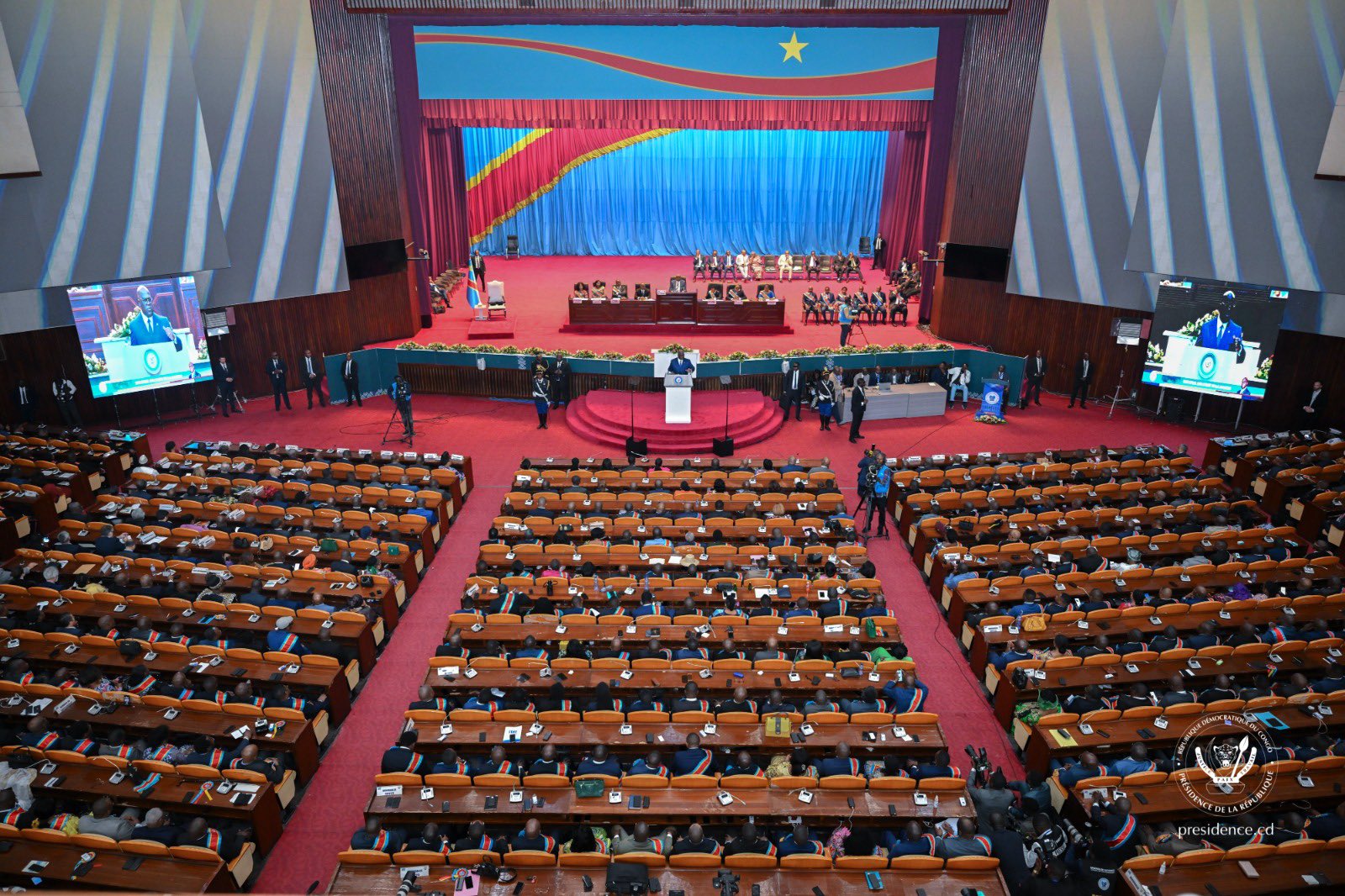
The Mouvement d’élites pour la Démocratie et le Vrai Changement (MDVC), an influential extra-parliamentary opposition organization, has intensified its advocacy for robust governmental oversight within the Democratic Republic of Congo. This push comes at the outset of the current ordinary parliamentary session, signaling a concerted effort to hold the executive branch accountable. The MDVC made its stance public through an interpellation note, which was formally released on Wednesday in Kinshasa, the nation's capital.
Legal and Political Context of Oversight
In the Democratic Republic of Congo, parliamentary control, often referred to as MDVC contrôle parlementaire RDC, serves as a fundamental mechanism for legislative oversight of the executive branch. This system empowers elected representatives in both the National Assembly and the Senate to scrutinize government policies, expenditures, and overall performance. The issuance of an interpellation note, as undertaken by the Mouvement d’élites pour la Démocratie et le Vrai Changement, is a recognized tool within this framework, allowing external groups or individual parliamentarians to formally request accountability on specific issues. Such notes typically trigger debates or inquiries, compelling government ministers to provide explanations or justify their actions before the legislative body.
The timing of this action, coinciding with the beginning of the ordinary session, is strategically significant. Parliamentary ordinary sessions are designated periods for regular legislative work, including the review of government programs, budget approvals, and the exercise of oversight functions. By presenting their demands at this juncture, the MDVC aims to embed their concerns into the core legislative agenda from the outset, ensuring that the 14 socio-economic and security preoccupations receive immediate attention from lawmakers. This approach seeks to maximize the impact of their call for rigorous control over government operations.
The pressure exerted by an extra-parliamentary opposition group like the MDVC, often termed Pression opposition parlement Kinshasa, plays a crucial role in a nascent democracy like the DRC. While not directly holding seats in the Assemblée nationale or Sénat RDC, such groups act as important watchdogs, articulating public grievances and pushing elected officials to fulfill their oversight responsibilities. Their advocacy can galvanize public opinion and provide a mandate for parliamentary members to pursue more aggressive scrutiny, thereby strengthening the overall system of checks and balances and fostering greater governmental accountability in Kinshasa.
Implications for Governance and Business
The MDVC's demand for uncompromising parliamentary control over government actions, particularly concerning the 14 identified socio-economic and security issues, carries substantial implications for governance and the operational environment in the Democratic Republic of Congo. Should the National Assembly and the Senate heed this call for rigorous oversight, it could lead to a period of heightened scrutiny for various government ministries and state-owned enterprises. This increased examination might result in more stringent enforcement of existing regulations, a re-evaluation of current policies, or even the initiation of new legislative measures designed to address the highlighted concerns.
For businesses and organizations operating within the DRC, especially those involved in government contracts or regulated sectors, this development signals a potential shift in the regulatory landscape. Heightened parliamentary scrutiny could translate into increased demands for transparency, more rigorous compliance checks, and a greater emphasis on accountability in public-private partnerships. Legal professionals advising clients in the region should therefore monitor these developments closely, as changes in government policy or enforcement priorities stemming from this parliamentary pressure could introduce new compliance risks or alter the operating environment for their clients.
Ultimately, the Mouvement d’élites pour la Démocratie et le Vrai Changement's initiative underscores the ongoing efforts by civil society and opposition forces to strengthen democratic institutions and promote good governance in the DRC. The success of their call for MDVC contrôle parlementaire RDC will be a key indicator of the legislature's willingness to assert its oversight authority and hold the executive accountable for its performance on critical national issues. This could pave the way for more responsive governance and potentially more stable socio-economic conditions, depending on the outcomes of the proposed parliamentary investigations and actions.
Practical Implications
This development signals potential increased parliamentary scrutiny over government actions in the DRC, which could lead to heightened regulatory enforcement or policy shifts impacting businesses and clients involved in government contracts or regulated sectors. Lawyers should advise clients to monitor these developments for potential compliance risks or changes in the operating environment.
Source
How does this affect you?
Get an AI analysis of this article grounded in your jurisdictions, practice areas, and any policy documents you've uploaded to Wansom.
Finish Reading the Full Story and the Expert Analysis.
Get the latest legal & regulatory intelligence in DR Congo
Wansom is AI and can make mistakes.